


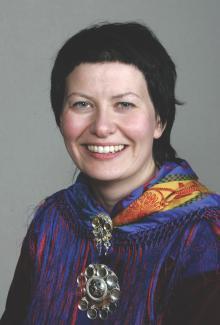
She began by acknowledging the importance of the fishing industry in Norway. A total of 95% of Norwegian seafood products are exported to 150 countries worldwide and the 2005 value of Norwegian seafood exports was €3.7 billion.
Ms Pedersen went on to discuss the Norwegian management regime: “Norwegian resource management is based upon the principles of long-term sustainable harvesting”. This is based on the best scientific advice from institutions such as the International Council for Exploration of the Sea (ICES). After the recommendations for different stocks have been presented, the negotiations take place – the most important being those between Norway and Russia concerning stocks in the Barents Sea and between Norway and the European Commission concerning stocks in the North Sea.
According to Ms Pedersen, great emphasis is placed on resource control – providing information on all catches within the jurisdiction of Norwegian waters. Resource control undertaken by the Directorate of Fisheries includes:
• Quayside inspections
• Sales inspections
• Post landing audits
• Inspectors at sea
• Satellite surveillance
• Quota controls
Norwegian regulations are strict and nearly all commercial stocks with commercial value are regulated.
However, Ms Pedersen openly admits that “no system is perfect” and that long-term management plans are critical. Management plans have been implemented for several stocks in the North Sea and Barents Sea.
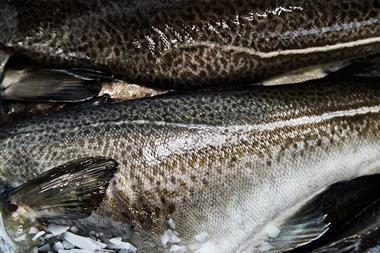
Given the latest ICES advice on North Sea cod being over-fished and unsustainable, Ms Pedersen was keen to highlight the fact that Norwegian arctic cod is “one of the few remaining cod stocks in reasonably good condition”, as are haddock and saithe, herring and blue whiting – “we must have done something right”.
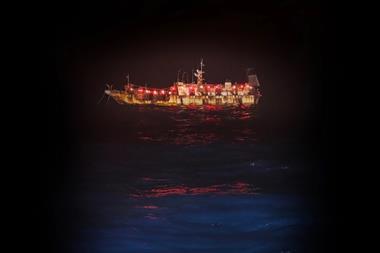
She then named her highest priority: IUU (illegal, unreported and unregulated) fishing, a challenge which she described as global. According to Ms Pedersen, the key is “international cooperation on port state control and flag state responsibility”, meaning that no vessel is able to land fish in a foreign port before the flag state is able to confirm that the catch is taken within the quota and registered.
She also noted the growing demand for traceability as consumers want to know when and where the fish is caught and whether it is caught legally. According to the Minister, Norwegian research institutes have been central in developing a European standard for electronic traceability in the fisheries sector. The EU project TraceFish created standards for the registration and transmission of information to ensure traceability in the seafood industry. This standard is about to be implemented in Norway. The Minister is hopeful that traceability can be a tool for securing safe seafood and preventing illegal fishing.
In her closing remarks, Ms Pedersen reiterated the importance of combating IUU fishing through increased port state control and traceability, proper labelling of products from legal fisheries. And the final point: “international cooperation” is key to realising these goals.