


Forging ahead
When Iceland unveiled plans for the Iceland Responsible Fisheries (IRF) eco-label in 2008 there were many who thought the move was little more than a publicity stunt – after all, did the seafood industry need yet another logo; wouldn’t it just add to already tumultuous consumer confusion?
It wasn’t until this year’s European Seafood Exposition (ESE 2011), held in Brussels in May, that influential heads did turn because that was when the IRF scheme received a glowing endorsement from high-end UK supermarket chain Waitrose.
Waitrose is a big seller of Icelandic seafood – particularly cod and haddock – sourced through its relationship with the processor Sealord Caistor Ltd. WFreaders should note thatseafood accounts for approximately 11% of the retailer’s overall sales. It’s also worth noting that seafood products accounted for 42% of Iceland’s total export value in 2009, amounting to ISK 209bn (€1.3bn/$1.8bn). Approximately 36% of this value came from cod.
At an ESE luncheon, sponsored by Promote Iceland, Quentin Clark, Waitrose’s head of sustainability and ethical sourcing, announced the chain had experienced a massive 500-600% growth in cod sales in the wake of advertisements promoting Icelandic cod. These advertisements featured the world-renowned celebrity chef Heston Blumenthal.
In the UK market, Waitrose has become something of a leader in promoting sustainable seafood. It was even a key sponsor of the ‘End of the Line’ film documentary. And Mr Clark pointed out that seafood sales rose 15% following the release of the controversial film.
According to Mr Clark, Waitrose’s approach is to assure its customers it will only sell fish to the highest standards of both quality and sustainability. It defines this with four key principles: (1) It will not sell a threatened or endangered fish; (2) it will only sell fish from a well-managed fishery with science-based quotas; (3) the fish must be caught using responsible fishing methods, and; (4) the fish must be fully traceable from catch to consumer.
Mr Clark doesn’t subscribe to the widely shared view that a proliferation of labels confuses customers. He said this is because he feels the average consumer doesn’t pay attention to the actual logo but it’s nevertheless important that a logo accompanies the product. He also believes that Waitrose’s customers trust it to select the most appropriate and credible seafood sustainability certification programme – a view that is shared by many of the world’s leading retailers.
“How can you talk to and convince 50m people? They just want easy answers. We must not rely on consumers to lead the way. It’s our responsibility, not our customers’,” he said.
Newcomers
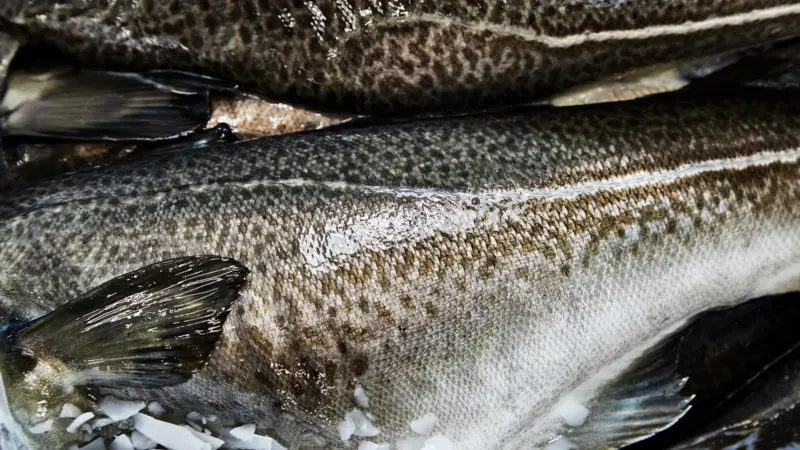
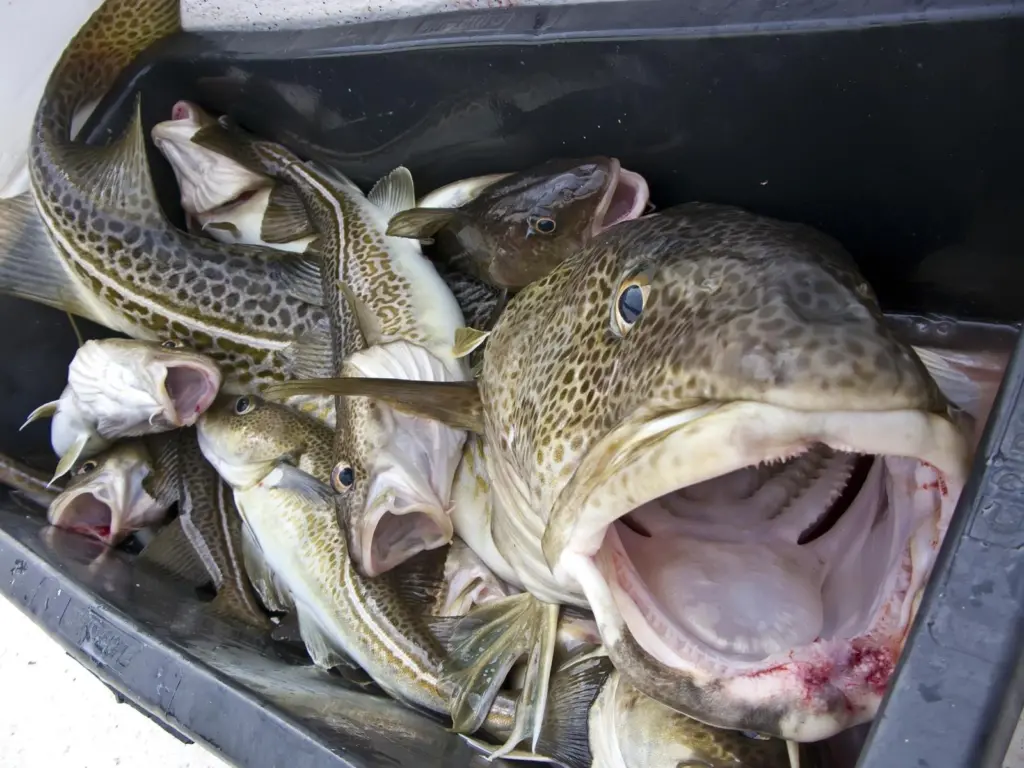
Icelandic cod – Iceland’s most valuable catch – is to date the first and only species to bear the IRF mark, earning its label in December last year. It won’t be alone however, as in June this year, three more important Icelandic species entered the certification process – saithe, haddock and redfish.
Collective interests in these fisheries, including the Federation of Icelandic Fishing Vessel Owners (LÍÚ), the Federation of Icelandic Fish Processing Plants and the National Association of Small Boat Owners, submitted applications to the independent certification body Global Trust to have the fisheries assessed under the new programme.
The three fisheries occur within the Icelandic 200-mile EEZ and are under the jurisdiction of the Ministry of Fisheries. If successful, applicants will receive one certificate for each fishery which will be available to all Icelandic fishing companies, gears and regions.
The IRF scheme is based on the FAO Code of Conduct for Responsible Fisheries and FAO Guidelines for the Eco-labelling of Fish and Fishery Products. Requirements for certification include:
- Adoption and implementation of a structured fisheries management system. The objective is to limit the total annual catch from the fish stocks so that catches confirm to levels permitted
- The fish stock shall not be overfished and this shall be verified through scientific research and assessment by international experts
- Implementation of an effective legal and administrative framework for the fishery, with compliance ensured through effective mechanisms for monitoring, surveillance, control and enforcement
It should also be pointed out that in June, Saemark Seafood Ltd’s cod and haddock fisheries became Iceland’s first fisheries to be certified as sustainable under the Marine Stewardship Council programme. These fisheries comprise 6,200t of cod and 3,300t of haddock, harvested by longline, handline and Danish seine year-round mainly off the west and north-west coast. Most of this fish is exported to Europe, the UK and the US.
Credibility
As well as having a strong, science-based eco-label, Icelandic fishing operations have been buoyed by an improving cod stock. The catch quota for the new fishing year, starting 1 September, is 177,000t – an increase of around 10%. This followed the recommendation of the Marine Research Institute (MRI) that the annual catch for 2011-12 could be raised from the 160,000t fished in 2010-11.
There had been calls from the industry for an even higher quota, with members of the aforementioned LÍÚ believing there was strong scientific evidence for ramping it up to 190,000t, such is the healthy state of the fishery and its spawning stock.
Giving further credibility to the sustainability message, the Monterey Bay Aquarium’s Seafood Watch programme recently upgraded trawl-caught Atlantic cod from Iceland to a ‘Good Alternative’ for consumers.
After many years of observing Iceland’s cod stock management practices, the Seafood Watch Science team concluded that trawl-caught Atlantic cod from Iceland, the Barents Sea, and the eastern Baltic Sea warrants a buying recommendation upgrade. The result is 900,000t out of 1.1m tonnes of Atlantic cod is now recognised as a ‘Good Alternative.’
But while Iceland’s cod stocks are resurgent, it’s not such good news for haddock. MRI had recommended a TAC reduction from 45,000t to 37,000t for the new fishing year, but instead the government opted for a quota reduction of 5,000t, making the new season’s annual catch 40,000t.
According to scientists, two excellent class years for haddock have now been fished out so quotas are likely to be lower for the next two or three years.