



EU fishers slam UK, Norway, Faroes mackerel deal
The partial agreement reached between the UK, Norway and the Faroe Islands on the sharing of the Northeast Atlantic mackerel fishing opportunities has disappointed the EU fishing industry, according to Europêche and the European Association of Fish Producers Organisations (EAPO).
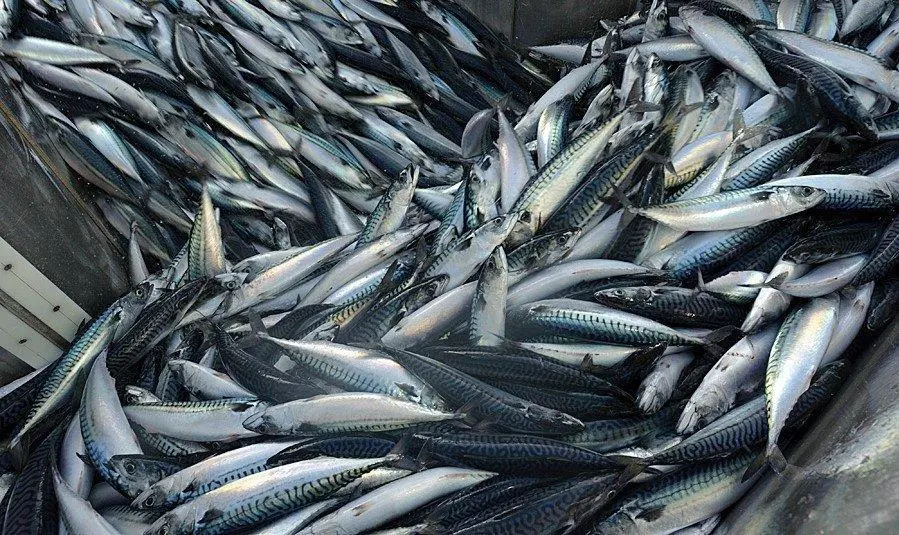
In a joint statement, the two organisations insist the agreement doesn’t solve the critical issue of catches exceeding the total allowable catch (TAC) set in line with scientific advice, but that instead, it rewards the setting of excessive, inflated unilateral quotas by some parties in recent years.
Consequently, they say the EU industry is urging all coastal states to resume their consultations on a comprehensive sharing arrangement that should reflect genuine, sustainable track records and interests. It is also calling on the European Commission and the Council of the EU to take concrete action against the setting of excessive, artificially increased unilateral quotas and make use of the instruments at their disposal, such as trade measures.
This spring, the Northeast Atlantic coastal states again failed to agree on a sharing agreement for the mackerel fishery. Further talks will not be resumed before September. Meanwhile, on 17 June, the UK, Norway and the Faroe Islands signed a trilateral agreement on their quotas and shares in the TAC for 2024, 2025 and 2026. The three have awarded themselves 27.48% (UK for 2024), 27.83% (UK for 2025 and 2026), 31% (Norway) and 13.35% (Faroe Islands).
The trilateral agreement is supported by bilateral agreements which result in the UK receiving a total of 33,462 tonnes of quota from Norway and Faroes in exchange for access to UK waters for those countries to fish up to 154,384 tonnes of mackerel.
The three parties invited the other coastal states to join the agreement, but Europêche and EAPO insist the remaining portion is “utterly incompatible with historic shares, recent track records and genuine economic interest”. Furthermore, the organisations maintain it “legitimises continuous overfishing” by some on the basis of excessive, inflated unilateral quotas that stray far from the shares applicable under the last sharing arrangement. In this regard, they highlight the Norwegian share is almost 38% higher than in 2014-2018.
Their statement advises: “The EU industry therefore dismisses the partial agreement and does not see it as a potential cornerstone for a comprehensive agreement. It also decries the UK’s decision to swap in stolen goods, namely part of the artificially increased Norwegian mackerel quota, for the second year in a row.
It continues: “It is now clear that in the absence of an agreement between all Coastal States, the trend of setting excessive, inflated quotas will persist, adversely impacting the fishing opportunities and market position of EU fishers for years to come. The EU industry continues to urge the Commission and the Council to act decisively against this irresponsible behaviour, for example by using its power as the main market for the other Coastal States’ seafood exports.”
On behalf of the EU pelagic fishing industry, Tim Heddema, Chair of the EAPO Northern Pelagic Working Group and Europêche board member, commented: “Clearly, this partial agreement will not stop overfishing and will not bring back MSC certification. The parties involved are legitimising unsustainable practices by fixing these shares and transferring quotas from one to the other, quotas that in fact constitute Monopoly money as they should never have been set at such an inflated level. One would hope that the UK teams up with their sustainability-oriented partners in the EU rather than with those who are responsible for recent overfishing and, in light of current world affairs, have a questionable choice of allegiances.
“The only solution is a comprehensive agreement that is not based on distorted track records. The EU industry strongly urges all parties to continue negotiations and to do so in good faith and with the same focused commitment that was shown towards the recently agreed trilateral and bilateral deals,” he said.
Related Articles
 PROCESSING & REFRIGERATION
 FISHERIES
 FISHERIES