




A new study by Christopher Golden and colleagues at Harvard T.H. Chan School of Public Health predicts that falling fish stocks could have serious health consequences for more than 10% of the world’s population.
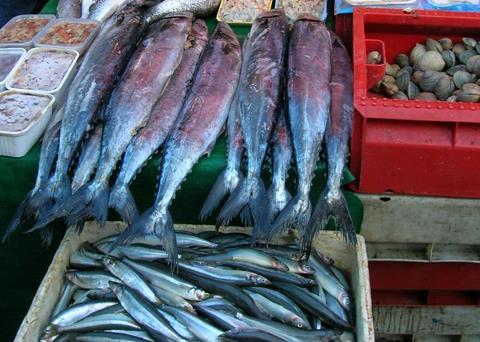
It says that fish stocks, which have been declining since the 20th century, are likely to shrink further in coming decades, due to a combination of factors, including destructive and illegal fishing, pollution, poor management, coastal development and climate change.
The authors of the report have calculated that this decline could leave 845 million people (11% of the global population) at risk of deficiencies in iron, vitamin A or zinc, along with 1.39 billion people (19% of the global population) vulnerable to deficiencies in vitamin B12 and DHA omega-3 fatty acids.
They say this would increase the risk of maternal and child mortality, and health problems such as cognitive deficits and reduced immune function.
In the commentary published in Nature, Mr Golden warns that it is low- and middle-income countries, in particular in low latitude regions, who will be hit hardest. He calls for policy makers and international agencies to pay more attention to human health when deciding how to manage marine environments.
Clare Matterson, Wellcome’s director of strategy, described the analysis as "a powerful reminder of how the futures of our food sources, the environment and our health are entirely interdependent".
The research is supported by Wellcome’s Our Planet, Our Health initiative.