



First cast of €26m net for healthy seafood and healthier people
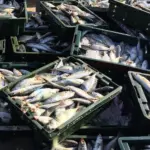
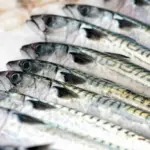
Europes biggest ever food research project, focusing on fish, kicked off in Denmark last month with a meeting to define what seafood means to different people in different countries.
A SEAFOODplus Web press release said: “The term seafood is very broad and could possibly include everything from the sea. since consumers perceive fish and shellfish very differently, and… often do not know what the term seafood refers to”.
The €26m project, is getting €14.4 from Brussels’ food research programme. The main vehicle involves scientific research bodies. However, the overall aim, of investigating the benefits of seafood for the consumer and how products can be made safer, as well as related issues in aquaculture, environment and economy, involves a new strategy.
This means bringing on board the industry, particularly small and medium enterprises (SMEs). The SMEs will be eligible for 15 per cent of the EU funding pot.
SEAFOODplus, with the Danish Institute for Fisheries Research as the lead body, said the first 18 months would focus on fish. It will then see how shellfish should be included in the next stage.
The project, formally launched in January, has managed to pull in more than 70 partners from 17 countries working on 20 projects.
It says it will look at better utilisation of seafood and create new knowledge and novel products to make the best of scarce resources. “The seafood and consumption section, for example, will investigate the health effects that fish proteins have on the composition and metabolic activity of intestinal flora.
Brain and bowel
“This knowledge could be used in the prevention of cancer and inflammation of the intestine. Investigations will also be carried out to find out how Omega 3 fatty acids affect the bowel, brain, heart, skeleton and fatty tissue,” a statement said.
The researchers are also hoping to find out why there are such big differences between how much seafood people eat in one part of Europe compared to another.
They also hope to develop “quick, reliable methods of testing for viral contamination of mussels and other shellfish, to protect consumers more effectively from gastro-intestinal disorders or hepatitis A”.
Fish processing will be examined to see what elements affect quality deterioration, and what causes food to become rancid.
Ethical issues and the development of new standards will be part of the aquaculture focus. Finally, it will study traceability mechanisms which come into full force in 2005.
This all fits in with the main aim of reducing health problems, preventing major diseases and increasing the well being of consumers “through consumption of health promoting and safe seafood products of high eating quality”, according to SEAFOODplus.
Related Articles
 SEAFOOD
 AQUACULTURE
 SEAFOOD