






Finland fisheries in MSC assessment
The Baltic herring and sprat fishery into full assessment to the Marine Stewardship Council’s Fisheries Standard by the Finnish Fishermen’s Association.
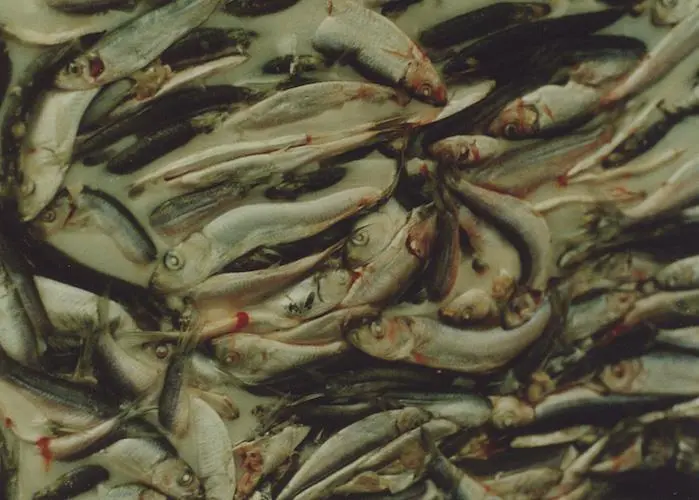
It represents more than 90% Finland’s marine catch and is the first in Finland to enter MSC assessment.
Janne Posti, MSC’s project manager said: “Some 20% of annual global wild seafood production is for fish meal and oil production. The majority of these ingredients end up in animal feeds, with an increasing proportion of the fish oil used for supplements and nutraceuticals.”
He added: “It is critical that low trophic level species, such as herring and sprat, are managed sustainably. We welcome the Finnish Fishermen’s Association’s decision to put Baltic herring and sprat forward for MSC assessment.”
The assessment will be conducted by independent certifier, Acoura Marine who will determine whether the fishery meets the MSC’s internationally recognised standards of best practise in sustainable fishing. This process is expected to take between 12 and 18 months.
This fishery targets herring and sprat in ICES subdivisions 25-32 trawls and traps. In 2015, the fishery caught around 132 000 tonnes of herring and around 12 000 tonnes of sprat.
Finnish Ministry of Agriculture and Forestry, responsible for fisheries, has developed a Roadmap to Bioeconomy 2020.
The roadmap recognizes the potential of responsible seafood production as an engine of sustainable growth. They also recognise the importance of independent certification. The project is in accordance with the European Maritime and Fisheries Fund (EMFF) Finnish action plan.
Kim Jordas, the CEO of Finnish Fishermen’s Association, added: “Baltic herring and sprat are extremely important species for the Finnish fisheries sector and we are very happy that the first Finnish fishery is entering MSC assessment.”
He concluded: “We recognise the importance of sustainable fishing and ensuring that this resource is available for future generations. We have also noticed that the fish oil and fishmeal industry in particular is increasingly demanding certified and sustainably sourced raw materials.”
Related Articles
 FISHERIES
 FISHERIES
 FISHERIES