


Fish stocks are among the world’s most valuable natural resources. They support livelihoods, food security, coastal economies and international trade. Yet many fisheries are still managed with significant gaps in visibility, particularly when it comes to understanding what is happening at sea in real time, writes Alastair MacLeod, chief execuitve of satellite communications specialist, Ground Control.
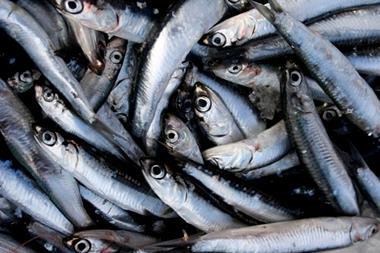
The scale of the challenge is well known. According to the UN Food and Agriculture Organization, 35.5% of assessed global fish stocks are currently fished at biologically unsustainable levels. At the same time, more than three billion people worldwide rely on fish as an important source of protein. As demand grows and pressure on marine resources increases, effective fisheries management has never been more important.

Managing fisheries well depends on many forms of intelligence. Scientific stock assessments, catch reporting, oceanographic data, ecosystem modelling and enforcement all have important roles to play. Together, they help authorities understand the health of fish populations, the pressures acting on them and the measures needed to protect them.
But there is another layer that is just as important: visibility of fishing activity itself. Fisheries managers need to know where vessels are operating, how activity is changing, whether regulations are being followed and where risks may be emerging. Without that operational picture, even strong policy and good science can be harder to apply effectively.
The challenge of managing a dynamic resource
Fish stocks are constantly changing. Migration patterns shift, environmental conditions fluctuate and fishing pressure varies between regions, seasons and fleets. Regulators are often making decisions about a moving resource across vast maritime areas, where conditions can change faster than traditional reporting cycles.
This is not a criticism of fisheries science. Stock assessments remain an essential foundation of fisheries management. But understanding fish populations alone is not enough. Authorities also need a clearer view of the human activity affecting those populations.
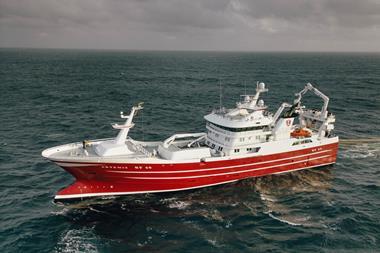
That can be difficult. Fishing often takes place hundreds of miles from shore, beyond the reach of terrestrial communications networks and routine inspection. In these environments, managers may have to rely on delayed reports, periodic surveys, landing data or self-reported information. Each has value, but none provides a complete or continuous view of activity at sea.
The result is an operational visibility gap. Limited visibility makes it harder to assess fishing pressure, verify compliance with quotas and regulations, protect sensitive marine areas and respond quickly when activity patterns change. It can also create frustration for responsible operators, who depend on credible oversight to ensure that non-compliant activity is identified and addressed.
Illegal, unreported and unregulated fishing remains one of the clearest examples of that challenge. It is estimated to account for between 11 million and 26 million tonnes of fish every year, with economic losses of between US$10 billion and US$23 billion annually. Better monitoring will not solve the problem on its own, but without reliable data from vessels at sea, enforcement becomes much harder.
Visibility drives better decisions
Modern vessel monitoring technologies are helping to close this operational gap. Through satellite communications and maritime reporting systems, fishing vessels can provide regular position reports, operational status updates and voyage information from areas far beyond terrestrial network coverage.
The value of this data is practical. It helps authorities understand where fishing activity is taking place, how fleets are behaving and whether activity is consistent with regulations. More frequent reporting can also reveal changes over time, helping managers identify trends, investigate anomalies and focus resources where they are most needed.
This visibility becomes more powerful when combined with other fisheries intelligence. Vessel monitoring can help place scientific assessments, catch data and environmental information in a clearer operational context. It gives regulators a better understanding of how fishing pressure is distributed across large maritime areas and how that pressure may be changing.
For operators, reliable monitoring can also support accountability. Automated reporting can reduce administrative burden, create an auditable record of activity and help demonstrate responsible fishing practices. In an industry facing growing scrutiny around environmental stewardship, that transparency is increasingly valuable.
Well managed fisheries show what is possible when data, oversight and accountability come together. According to the FAO, fisheries operating under strong management frameworks consistently perform better than the global average for sustainability. In the Northeast Pacific, for example, more than 92% of assessed fish stocks are fished within biologically sustainable levels. No single factor explains that success, but it demonstrates the value of informed decision making supported by reliable data and effective oversight.
From delayed reporting to earlier action
For fisheries authorities, timing matters. If information only becomes available weeks or months after activity has taken place, the opportunity to respond may already have passed. More regular operational reporting gives regulators earlier indications of potential issues and a better basis for deciding where to act.
This can support a more proactive approach to management. Authorities can investigate unusual activity sooner, monitor activity around protected or restricted areas, identify gaps in expected reporting and allocate enforcement resources more effectively. The aim is not simply to collect more data, but to make useful information available at the point when it can still influence decisions.
This strengthens, rather than replaces, traditional fisheries management. Scientific assessments help explain the state of fish stocks. Oceanographic and environmental data help show how marine conditions are changing. Catch reporting helps connect fishing activity to removals from the fishery. Vessel monitoring adds a current view of fleet behaviour and operational activity.
Together, these layers create a stronger basis for sustainable management than any individual data source can provide alone.
Building resilient fisheries for the future
The long term sustainability of global fisheries will depend on balancing economic opportunity with environmental responsibility. Achieving that balance requires accurate information, effective oversight and practical systems that work in the places where fishing actually happens.
Satellite enabled vessel monitoring has an important role to play in that future. It allows data to be collected and transmitted from remote waters, giving authorities and operators a more consistent view of activity at sea. That visibility supports compliance, improves transparency and helps connect policy decisions to operational reality.
As pressure on marine resources continues to grow, resilient fisheries will require both scientific understanding and operational awareness. Regulators need to know what is happening, where it is happening and whether activity aligns with the rules designed to protect stocks for the future. Responsible operators need systems that allow them to demonstrate compliance without unnecessary complexity.
Better visibility will not answer every challenge facing global fisheries. But it can make sustainable management more practical, more transparent and more responsive. In a sector where ecological, economic and social pressures are closely connected, that operational visibility is becoming a fundamental part of protecting marine resources while supporting the long term viability of the fishing industry.