





Carbon footprint of tuna fisheries
The International Seafood Sustainability Foundation (ISSF) has released a report on the carbon footprint of global tuna fisheries.
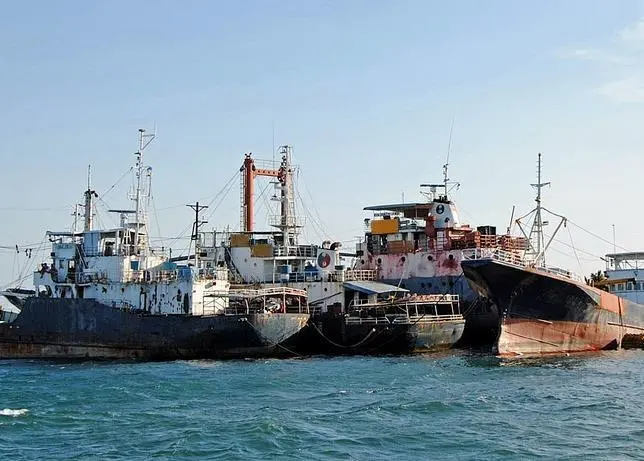
The report, titled Fuel Consumption and Greenhouse Gas Emissions from Global Tuna Fisheries: A Preliminary Assessment, studied the fuel usage of different types of fishing gear and how all tuna fisheries measure up against other large-scale fisheries.
The report found that tuna products tend to be less energy-intensive than many aquaculture and livestock-derived sources of protein. More broadly, the data suggests that the global tuna fishing fleet, for all gear types, used approximately three billion litres of fuel in 2009 and produced nine million tons of carbon dioxide.
Breaking down the data by fishing gear, the research notes that, “vessels fishing tuna with purse seine, while accounting for 64% of global landings of the five principal species, account for only 37% of total fuel use, as a result of the significantly lower FUI of these vessels.”
The study found that purse seine vessels burned an average of 368l of fuel per live weight ton of landings, while other gears averaged between 1070l burned per ton for longline and 1490l burned per ton for pole and line vessels. While fuel use varies greatly between these different gear types, the data available would not allow the authors to determine with absolute certainty that the existence of this disparity is due to the type of gear used.
Related Articles
 FISHERIES
 FISHERIES
 FISHERIES