





AST-EMA consortium receives type approval
After winning the UK fisheries tender for new the Vessel Monitoring System (VMS) and Electronic Reporting System (ERS), based on the BlueTraker® VMS, the AST-EMA consortium has been awarded type approval.
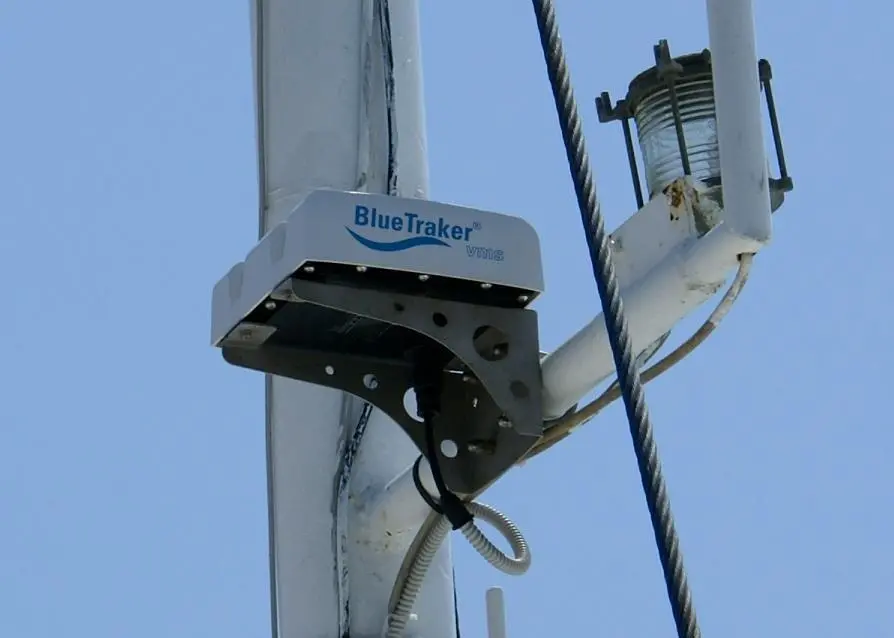
Extensive testing was conducted by the UKFA during the second half of 2012, including testing performed at sea on vessels undertaking their regular fishing activities. The installations of the first 330 above deck satellite terminals will be carried out in the first quarter of 2013.
The BlueTraker® VMS is a marine grade satellite terminal especially developed for the monitoring of fishing vessels in European waters. In addition to standard and secure positional data outputs and bidirectional communication, the BlueTraker® VMS terminal incorporates several new and unique features.
The terminal has an integrated design in which all electronic circuitry, antennas, GPS receiver, GPRS and satellite communication channels as well as back-up rechargeable batteries are housed in one compact unit above the vessel’s deck. All EU reporting data is transmitted via an Iridium satellite based communication service (SCS). The GPRS channel is primarily used for inshore reporting, which is formatted to conform to national and inshore requirements.
An important feature of the BlueTraker® VMS terminal is the dynamic reporting. Up to 100 geographical areas (polygons and associated rules) in the form of geo fences can be remotely uploaded, edited, activated/deactivated etc. for every BlueTraker® terminal. Pre-defined national and EU control area coordinates (geo fences), are uploaded from the land based servers over the air. EU geo fence crossing and VMS positions are transmitted through the Iridium Satellite Communication Services (SCS), while national geo fence entering or exiting and associated VMS positions are transmitted either through SCS or GPRS communication channels – depending upon the rules set for each or every BlueTraker® VMS terminal.
Another feature of the BlueTraker® VMS terminal is the inclusion of a fail-safe Alert button. This facility enables crew members to send distress alerts directly from the terminal, even in the event of a power failure onboard the vessel.
Also included in the terminal is the ability to transmit UK Electronic Logbook Reports. Additional innovative functionality is incorporated in the satellite terminal by implementing CAN bus networking, allowing a virtually unlimited number of onboard fishing gears’ hydraulic switches to be monitored from the Fisheries Monitoring Centre. This enables the authority to automatically and precisely assess the fishing activities for each and every vessel in the fleet.
The consortium includes AST Marine Sciences Ltd (ASR MSL) and EMA Group.
Related Articles
 FISHING TECHNOLOGY
 FISHING TECHNOLOGY
 COMMENT