




Aquaculture to top 60% of fish production
Total global fish production, including both wild capture fish and aquaculture, reached an all-time high of 154 million tons in 2011, and aquaculture is set to top 60% of production by 2020.
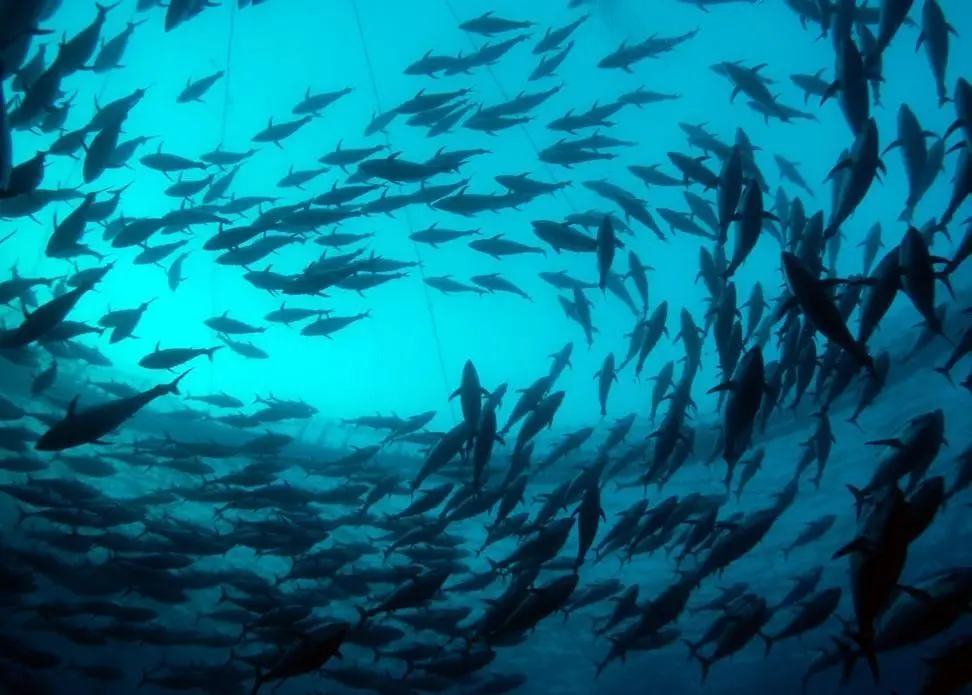
Research conducted by the Worldwatch Institute has found that wild capture was 90.4 million tons in 2011, up 2% from 2010. Aquaculture has been expanding steadily for the last 25 years and saw a rise of 6.2% in 2011.
Humans ate 130.8 million tons of fish in 2011, with the rest going to non-food uses such as fishmeal, fish oil, culture, bait, and pharmaceuticals. The human consumption figure has increased 14.4% over the last five years and consumption of farmed fish has risen tenfold since 1970, at an annual average of 6.6% per year.
The report says that “wild fish stocks are at a dangerously unsustainable level”. As of 2009 (the most recent year with data), 57.4% of fisheries were estimated to be fully exploited and of the remaining fisheries in jeopardy, around 30% were deemed overexploited, while a little less than 13% were considered to be not fully exploited.
To maintain the current level of fish consumption in the world, the report says that aquaculture will need to provide an additional 23 million tons of farmed fish by 2020. To produce this additional amount, fish farming will also have to provide the necessary feed to grow the omnivorous and carnivorous fish that people want.
Continually increasing fish production, from both aquaculture and fisheries, raises many environmental concerns, says the report, and if aquaculture continues to grow without constraints, it could lead to degradation of land and marine habitats, chemical pollution from fertilizers and antibiotics, the negative impacts of invasive species, and a lessened fish resistance to disease due to close proximity and intensive farming practices.
To prevent these problems the report’s authors say that policymakers, fishers, and consumers need to find alternative sources for fish feed, combat illegal fishing, encourage more-sustainable practices in aquaculture, acknowledge the potential effects of climate change on the oceans, and think critically about what and how much fish to consume.
Related Articles
 SEAFOOD
 AQUACULTURE
 SEAFOOD