




An investigative film has revealed beatings at gunpoint, slavery, dangerous working conditions and squalid living conditions are all faced by migrant fishermen working aboard Taiwanese-owned fishing vessels.
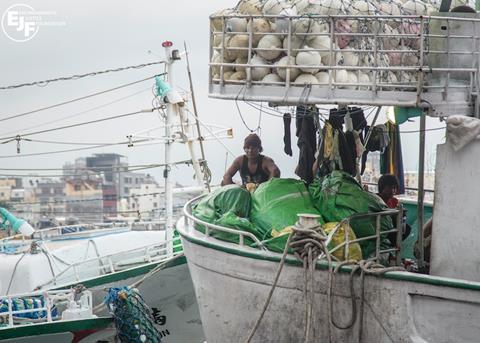
Environmental Justice Foundation (EJF) interviewed dozens of migrant fishermen who have worked aboard Taiwanese fishing vessels operating in national waters and globally. The fishermen, mainly from Indonesia and the Philippines, reported violence, abuse and threats; squalid conditions and heavy financial deductions for food, travel, medical checks and accommodation; and working long hours, in unsafe and inhumane conditions, for little or no money.
Speaking on the release of 'Exploitation and Lawlessness: The Dark Side of Taiwan's Fishing Fleet’ EJF’s director Steve Trent, said: “Taiwanese authorities must empower a single, well-resourced and properly trained agency responsible for protecting migrant crew from human trafficking, and all workers should be protected in line with key International Labor Organization conventions. Unmonitored transfers of catches at sea should also be banned, and maximum trip lengths set.”
More action needed
EJF found that although some new rules have been introduced in Taipei, out at sea human rights abuses and illegal fishing practices continue.
Taiwanese politician Lin Shufen stressed that while the Taiwanese government “did improve some of the relevant laws” it needs to do more to improve fishers’ conditions.
A fleet of almost 1,800 distant water vessels with a Taiwanese flag operate across the world and hundreds more are owned by Taiwanese nationals but fly ‘flags of convenience’ of other states with even more lax regulations, said the EJF.