


The Antarctic Ocean Alliance (AOA) has launched a new report detailing specific species that would benefit from designated marine protected areas.
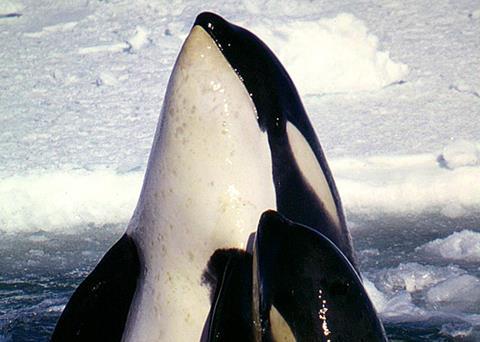
Entitled 33 Species We Love and Must Protect, the report calls for a commitment to preservation through enhanced protection.
“We have hoped for action on marine protection in Antarctica’s waters, but there have been three years of inactivity,” said Mark Epstein, executive director, Antarctic and Southern Ocean Coalition.
Mr Epstein said that the inactivity was largely caused by Russian and Ukrainian opposition which has been stalling the situation since 2012.
He said that the report reveals that species such as orcas, leopard seals, albatross and penguins and lesser known ones such as copepods, bone-eating worms and the core of the southern ocean food chain, krill, cannot afford another year of inactivity.
“This year provides another opportunity for global leaders to live up to their promises. This report helps to put in perspective exactly why we are trying to achieve this, these species, along with thousands of others, are at risk.”
If the marine ecosystem in Antarctica changes much more, he warned that the effects would resonate throughout the whole planet because the continent is where all of the world’s oceans converge.
Conservation of Antarctic Marine Living Resource (CCAMLR) is a consensus based body made up of 24 countries and the European Union. It will have the opportunity once again to create two large southern ocean fully protected marine protected areas (MPAs) when it convenes for its 33rd meeting in Tasmania in October 2014.