



Solutions for seafood processing
According to Avure, the company’s high-pressure treatment, Fresher Under Pressure®, avoids post-processing contamination and guarantees seafood company’s products a longer shelf-life.
This process protects the quality without adding any preservatives, allowing the seafood to keep its nutritional content.
High-pressure processing (HPP) is well adapted to thermo sensitive products, such as seafood, eliminating bacteria and extending the product shelf life to twice the length of pasteurised products.
Using the high-pressure treatment at 45,000psi (300MPa) will inactivate dangerous pathogens found in shellfish, such as the Vibrio bacteria that can contaminate oysters.
To avoid post-processing contamination, products are pressurised directly in their final packaging, eliminating the risk of new contamination.
The product is packed into packaging that can be deformed and placed in the Fresher Under Pressure® HPP enclosure. Avure says that this method preserves the flavour, odour, vitamins and protein of a diverse range of seafood, including: raw fish, shells such as oysters or scallops, lobsters and shrimps.
Processing productivity
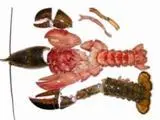
In addition to food safety, HPP provides a cost and labour-saving productivity benefit for shellfish processing. The effect of the pressure, at about 45,000psi (300MPa), causes the meat to separate from its shell, so it is automatically shucked.
In the case of raw lobster meat, HPP provides a premium product that can be marketed fresh or frozen. It is much easier to remove shellfish that has not been punctured by a sharp shucking knife or shocked by intense thermal treatments. The same effect is provided by HPP for oyster, clam or mussel meat – the shell opens easier and is perfectly separated from the meat.
Avure says that HPP is becoming an important processing technology for productivity increase and that using HPP to separate the meat from shelled foods is becoming famous within the seafood industry.
Related Articles
 SEAFOOD
 SEAFOOD
 PROCESSING & REFRIGERATION