
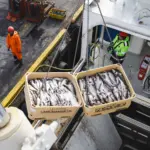





Thai Union explains its $200m sustainability commitment
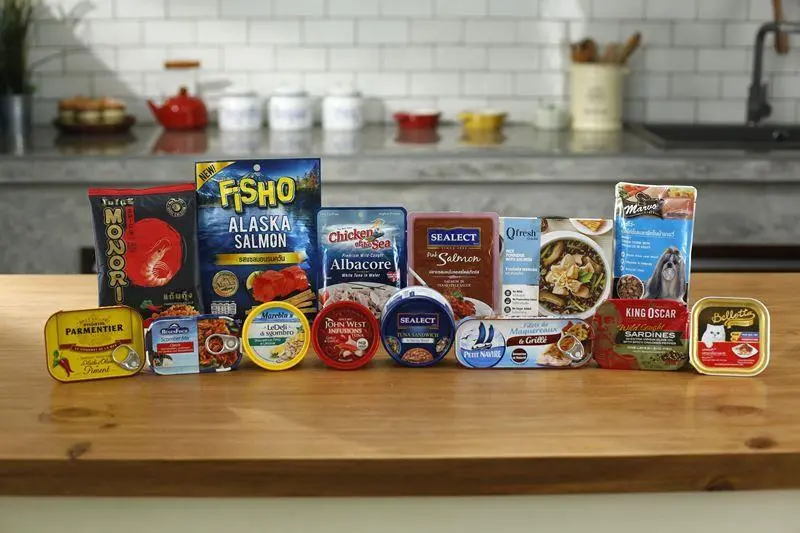
Seafood giant Thai Union, the largest producer of shelf-stable tuna in the world with brands including Chicken of the Sea and John West and the biggest importer of shrimp in the United States, has launched SeaChange 2030, the next stage of its sustainability plan. Chief Sustainability Officer Adam Brennan tells WF this set of “aggressive goals” will aim to impact the seafood value chain on a global scale and bring the company’s total sustainability commitment since the programme’s inception to US$200 million – the equivalent of its entire 2022 net profit. Targets include reducing carbon, minimising waste, safeguarding ecosystems and ensuring safe and equitable work across the food chain.
WF: Thai Union has made 11 interconnected commitments for SeaChange 2030. What were the reasons for selecting these goals, and what will be the immediate priorities moving forward?
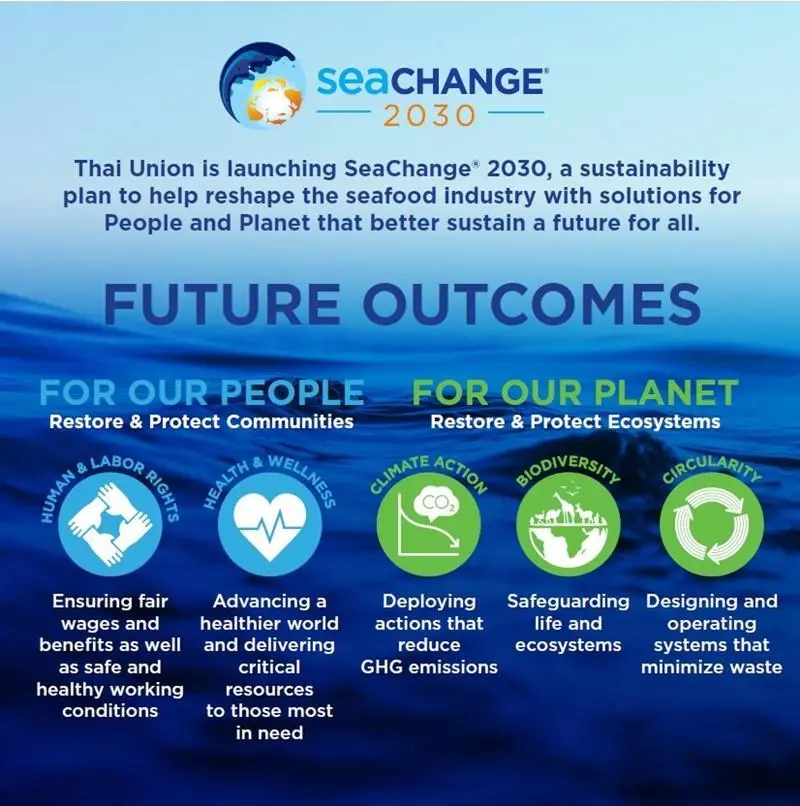
Brennan: In developing our plan for SeaChange 2030, we identified five key future outcomes that we deemed paramount to help drive and selected goals that would help do so. Two of these future outcomes are for our people, restoring and protecting communities. The first is ensuring fair wages, fair benefits and safe, healthy working conditions, and the second is helping to advance a healthier world by delivering critical resources to those most in need. The other three serve our planet, restoring and protecting ecosystems. Thai Union will deploy actions that reduce greenhouse gas emissions, safeguard life and ecosystems, and design and operate systems that minimise waste.
One major priority is our path to net zero emissions. We’ve already begun making changes to our own processing footprint, but this is only 10% of our total greenhouse gas emissions – the other 90% comes from within our supply chain. It’s crucial that we work with our suppliers – vessels, farms and the feed supply chain – to identify opportunities where we can all reduce emissions.
WF: Why does Thai Union believe these sustainability targets are critical for the company and the broader global seafood industry?
Brennan: Climate change has been deemed a “code red for humanity” and to prevent devastating effects on our planet and its people, we must rapidly cut global greenhouse gas (GHG) emissions by half before 2030 and achieve net zero by 2050. Further, unless we change how we produce, use, and dispose of plastic, the amount of plastic waste entering aquatic ecosystems could triple and reach 37 million tonnes per year by 2040. And wildlife populations in our oceans, the planet’s largest ecosystem, are declining at alarming rates, while mangroves, coral reefs and rainforests are also under threat. The time for change is now.
It’s also simply imperative that we protect the safety, dignity and well-being of our communities, workers and consumers. Additionally, if produced responsibly, seafood can provide a healthy and nutritious protein for a growing population, helping tackle food insecurity.
WF: What do you foresee being the biggest challenges and opportunities for the programme?
Brennan: The biggest challenge of SeaChange is that our goals extend across our value chain, impacting not only our owned activities, but purchased goods and services, fuel and energy related activities, and upstream and downstream transportation and distribution. However, we see it as our responsibility to drive effective and lasting improvements throughout the entire supply chain.
The biggest opportunity has been to create a plan that is even more comprehensive, which we’re proud to say we’ve done with SeaChange 2030. This is a significant expansion from our last strategy because of the additional interconnected solutions for our people and our planet that we’ve introduced. This strategy has expanded components addressing carbon reduction, responsible sourcing and corporate citizenship.
WF: What have been the key deliverables of the SeaChange programme so far?
Brennan: For the last few years, we’ve been heavily focused on conditions onboard the fishing vessels we source from, as we see it as our responsibility to safeguard workers in our supply chain. We’ve also been focused on sourcing from fisheries that are either Marine Stewardship Council (MSC) certified or helping put them in fishery improvement projects (FIPs) to move them towards MSC certification.
To name some other recent achievements we’re proud of, we completed our first greenhouse gas inventory across Scope 1, 2 and 3 emissions. Thai Union also introduced a Tuna Commitment up to 2025 to source from vessels operating best practices and adopted the Employer Pays Principle to ensure no worker should pay for a job. Additionally, through the Thai Union Cares programme, we donated nearly 1 million servings of food along with other COVID-19 supplies.
To “check in” and understand if we are doing the right things, we have been engaging with third parties who are able to benchmark our progress against their independent standards and other companies. We have found these really useful to understand how we can improve and what areas are considered most important. Through these we have been ranked #1 on the Dow Jones Sustainability Index and listed for the ninth straight year. We also ranked No. 1 on the Seafood Stewardship Index in recognition of Thai Union’s leadership among global seafood companies in contributing to the UN Sustainable Development Goals.
WF: In which areas will the majority of the $200m be spent?
Brennan: At Thai Union, we have long referred to traceability as the backbone of SeaChange. Traceability is the key to improving the transparency and operational practices of the entire seafood supply chain, so it’s an area we’ll continue to invest in as we bring SeaChange 2030 to life.
Most of the funding for SeaChange 2030 will drive improvements throughout our supply chain, where we have a completely global footprint. This includes the 11 commitments we’ve set, such as 100% of both wild-caught and farmed seafood being sourced responsibly or from in an improvement programme, so we’re continuing to invest in fishery and aquaculture improvement projects.
Our commitments also include direct investments in both ecosystem restoration and the communities in which our company operates. We’ve committed more than $7 million (THB 250 million) specifically to each of these two areas. From an ecosystem perspective, this investment will go toward the protection and restoration of mangroves, coral reefs, and rain forests. Some examples from the past of how we’ve given back to our local communities include building pre-schools for the children of migrant workers in Samut Sakhon, cleaning marine environments, and providing food donations.
WF: How important are these goals in terms of meeting consumer expectations, what are they telling you, and what shifts/trends are you seeing in this regard?
Brennan: When it comes to ESG, the world is watching, and expectations – from investors, regulators and consumers – have never been higher. From greenwashing watchouts and new regulations to competitive pressures, it was imperative for Thai Union to be bold, transparent and crystal clear as we developed SeaChange 2030. That’s why we set out to create a distinct, ownable, and authentic strategy that captures Thai Union’s unique line of sight as an industry leader. ESG trends around climate change, threats to biodiversity, social inequalities and more helped shape our strategy. Ultimately, it became clear we needed a more unified plan with comprehensive, interconnected solutions for both people and planet that better sustain a future for all.
SeaChange 2030 will also support the efforts of our customers, better enabling them to execute their own ESG programmes. For example, one of Walmart’s sustainability priorities is to protect, manage or restore at least one million square miles of ocean by 2030. Among Thai Union’s new goals for 2030, the company will contribute over $7 million (THB 250 million) towards the protection and restoration of critical ecosystems and will divert 1,500 tonnes of ocean-bound plastic from our waterways and oceans. Many of our customers also have responsible sourcing and carbon commitments which we can help them meet.
Sustainable development is essential to the future of our business and the company’s growth, it is fundamental to being a responsible corporate citizen, and it is one of the routes through which Thai Union will achieve its vision of being the world’s most trusted seafood leader. As a global seafood leader, at Thai Union we believe we have a responsibility to drive continuous improvement that raises the standards for social, environmental, and economic performance across our operations and in seafood supply chains.
Related Articles
 SEAFOOD
 AQUACULTURE
 SEAFOOD