






Seafood fraud: France comes out on top
A year-long investigation into fish labelling fraud carried out by researchers from Bloom, Ocean, INSERM and the Museum of Natural History revealed that species substitution in France remains low compared to other European countries.
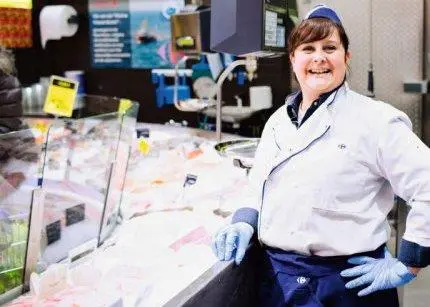
Ten regions were studied and nearly 400 samples were taken from supermarket shelves, fish markets, restaurants, ready-made meals and frozen food.
According to the research, seafood fraud was higher in other European countries, including 32% overall in Italy, 30% of all hake in Spain and 19% of cod in Ireland – yet France recorded just 3.5%. The UK has a similarly low level of 6%.
Not a single case of fraud was detected for species including Alaskan Pollock, seabass, saithe, monkfish and whiting. Cod, however, was substituted in 4.2% of cases (six out of 143 samples) with haddock or hake, species of lesser commercial value.
Fraud was extremely high in cases relating to Bluefin tuna, with four out of five samples (80%) found to be other species of tuna: albacore or bigeye, both of lesser commercial value.
Of the 117 samples taken from frozen and prepared meals, none indicated that any fraud had occurred. However, problems were found with fresh filleted fish: 8% of fresh fillets sold in fish markets, and 4% of those sold in the seafood aisle of supermarkets did not correspond to their labels. In restaurants, labelling fraud took place in 4% of cases.
Further research found that the fraud took place mostly at the end of the chain through restaurant owners and fishmongers, who admitted to replacing labels or changing species names.
Related Articles
 SEAFOOD
 SEAFOOD
 FISHERIES