
Seafood fraud common in Korea, says EJF
More than a third of seafood in South Korea is mislabelled, sometimes substituted with vulnerable species or illegally caught, according to the Environmental Justice Foundation (EJF).
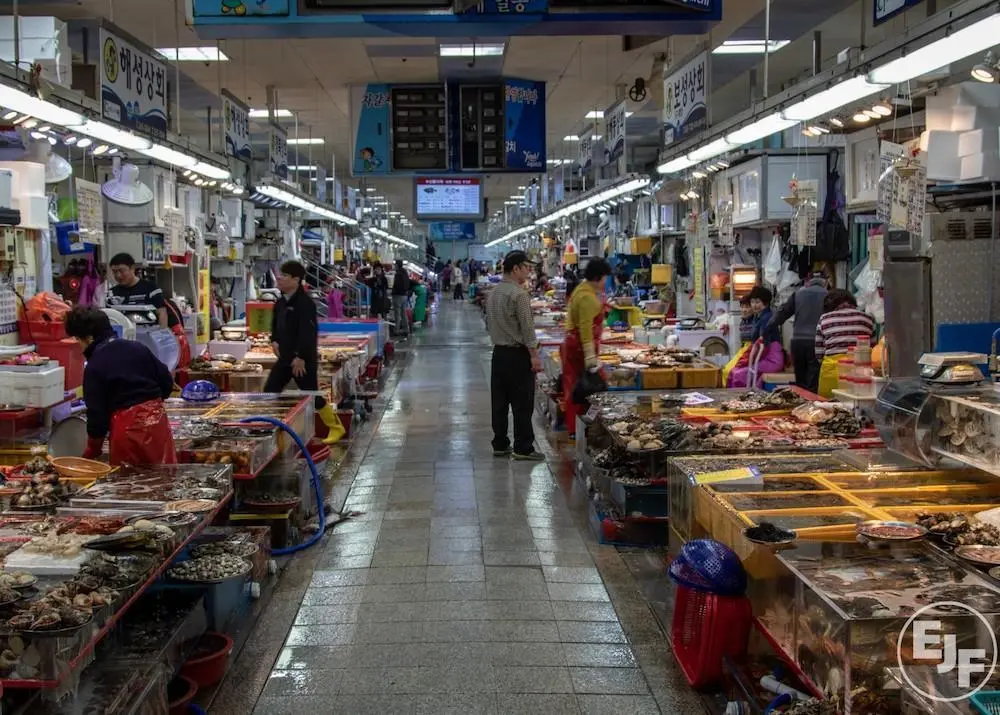
In 2018 EJF began the first comprehensive DNA study to investigate reports of widespread seafood fraud and mislabelling in South Korean supply chains.
“As well as defrauding consumers, this rampant seafood fraud denies them the chance to make informed, environmental and ethical choices,” said EJF’s executive director, Steve Trent. “The lack of transparency and traceability means that Korean consumers are likely to be unknowingly contributing to the decline of ocean wildlife and a toxic combination of illegal fishing linked to human rights abuses.”
Nearly a third (27.8%) of meat labelled as minke whale was substituted, sometimes by finless porpoise, the study showed. This species is vulnerable, facing multiple conservation threats and decreasing populations, and is protected by Korean law.
As well as illegally traded porpoise, meat labelled as whale often turned out to be dolphin whilst, of the 33 samples sold as fleshy prawn not a single one was the correct species.
EJF also found clear evidence that mislabelling was deliberate rather than accidental. In the vast majority of cases, cheaper species had been mislabelled as more expensive, premium seafood.
Recommendations
Korea’s current Seafood Traceability System is voluntary, and uptake has been woefully low. EJF recommends that the government makes this system mandatory for a wide variety of species and also extends its Catch Documentation Scheme to all seafood imports.