



Scottish fisheries discuss climate change
More than 100 guests have come together at a public event to find out more about what climate change could mean for Scottish fisheries.
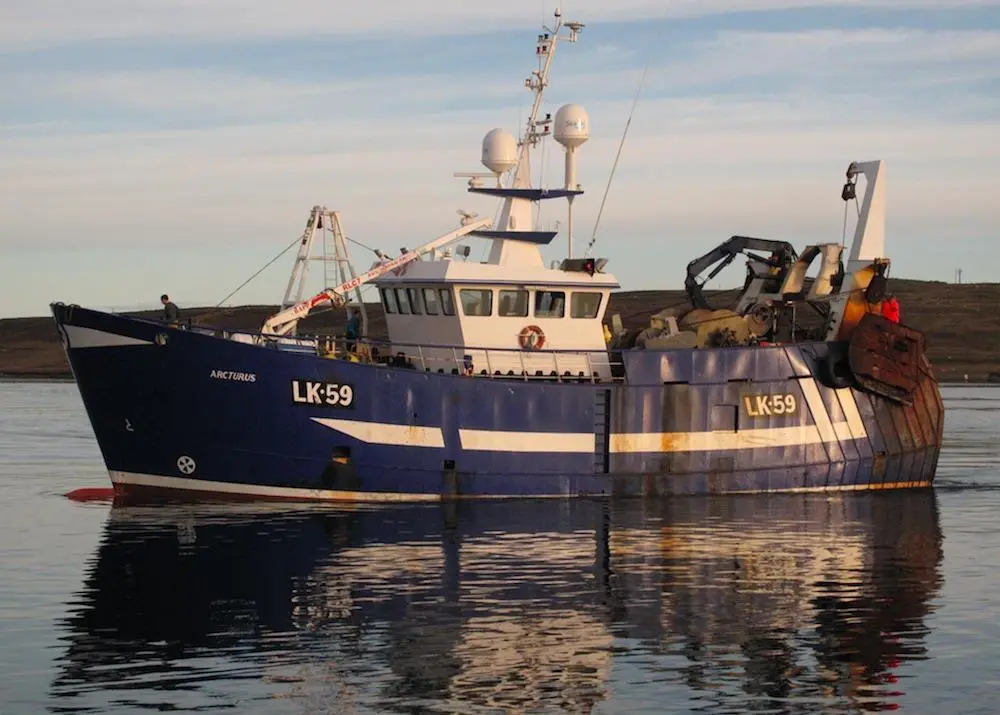
Part of an international five-day workshop on climate change hosted by the University of Aberdeen, and funded by Fisheries Innovation Scotland (FIS), the event brought together students, scientists, industry and government representatives at an open forum for questions and discussion.
The panel featured climate change scientists Gretta Pecl from Tasmania University, fisheries economist Alan Haynie from Alaska Fisheries Science Centre and skipper of the pelagic fishing vessel Resolute, George R West.
“The combination of speakers benefits our interpretation of past climate changes and also allows us to make more robust predictions about future impacts,” said event lead Dr Tara Marshall, senior lecturer in fisheries science at Aberdeen University.
Top of the agenda was whether changes in ocean temperatures will drive a sea-change in marine fisheries and what this might mean for the businesses and livelihoods that depend on them.
John Pinnegar of the Marine Climate Change Centre highlighted how valuable species are moving north, looking for cooler waters. Mr Pinnegar predicted Scottish fishing staples like cod and herring would suffer under climate change, struggling with shifts in sea conditions. Species that thrive in warmer waters, including squid, sprat and sea bass, are predicted to benefit.
Steven Mackinson from the Scottish Pelagic Fishermen’s Association discussed the role of the fishing industry as data-gatherers whilst pelagic skipper, George R West shared a fisherman’s perspective by outlining changes seen over four decades at sea, including the unexpected southward shift of mackerel.
Tara Marshall said that the presentations will be made available on the FIS website.
Related Articles
 FISHERIES
 FISHERIES
 FISHERIES