


Protecting coastal biodiversity supports fisheries
Researchers at Swansea University have been studying sensitive coastal habitats in Wales and the UK to see how they provide support for juvenile fish.
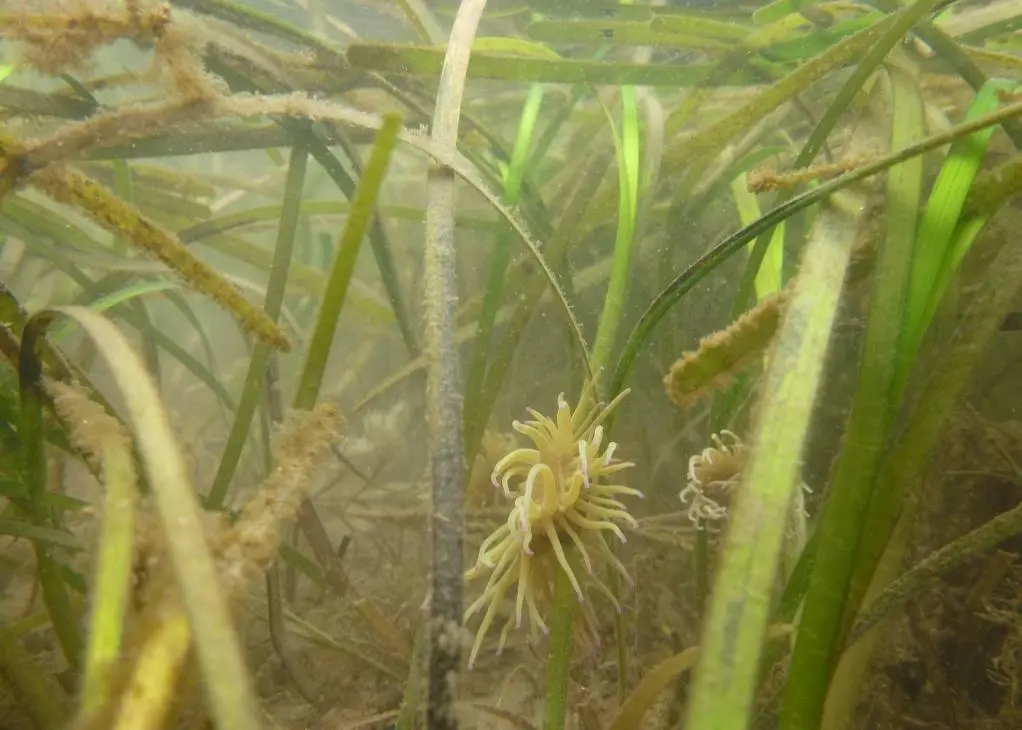
According to project leader Dr Richard Unsworth, making decisions about the proposed exact locations of marine protected areas requires making reasoned judgements as to the relative value of different habitat types. He said that due to the difficulties in sampling many sensitive habitat types without being destructive, not enough is known about how threatened habitats such as seagrass, kelp and horse mussel provide support for juvenile fish such as cod, pollock and whiting.
Researchers used a combination of Baited Remote Underwater Video systems and traditional beach seine netting to quantify the fish species present in seagrass, horse mussel and kelp. These are three habitat types that have all been degraded and disturbed over time, and continue to be under threat in Wales and throughout the UK.
Dr Unsworth explained the results of the work conducted. He said: “Our studies provided evidence of the value of sensitive coastal habitats for supporting economically important fisheries. Our results clearly show how seagrass is important as a juvenile habitat. This was particularly the case for seagrass meadows that contained juvenile fish of at least 10 commercially important species.”
He added: “We all too commonly think of biodiversity conservation as being an activity that is in conflict to industry. But our research is beginning to show that conservation of sensitive coastal habitats in the UK is as much about supporting the fisheries industry as it is about protecting biodiversity.”
The research has resulted in the creation of a publically available short film accessible at www.seagrass.org.uk/news.