



Seafood processing: Making the most of marine resources
Like many countries, New Zealand has a quota management system to ensure the continued sustainability of its wild fisheries. Strict control of capture volumes has meant an increasing need to get more value from landed fish. At the same time, finfish and shellfish aquaculture are expected to grow, with additional biomass from farmed species also becoming available for processing.
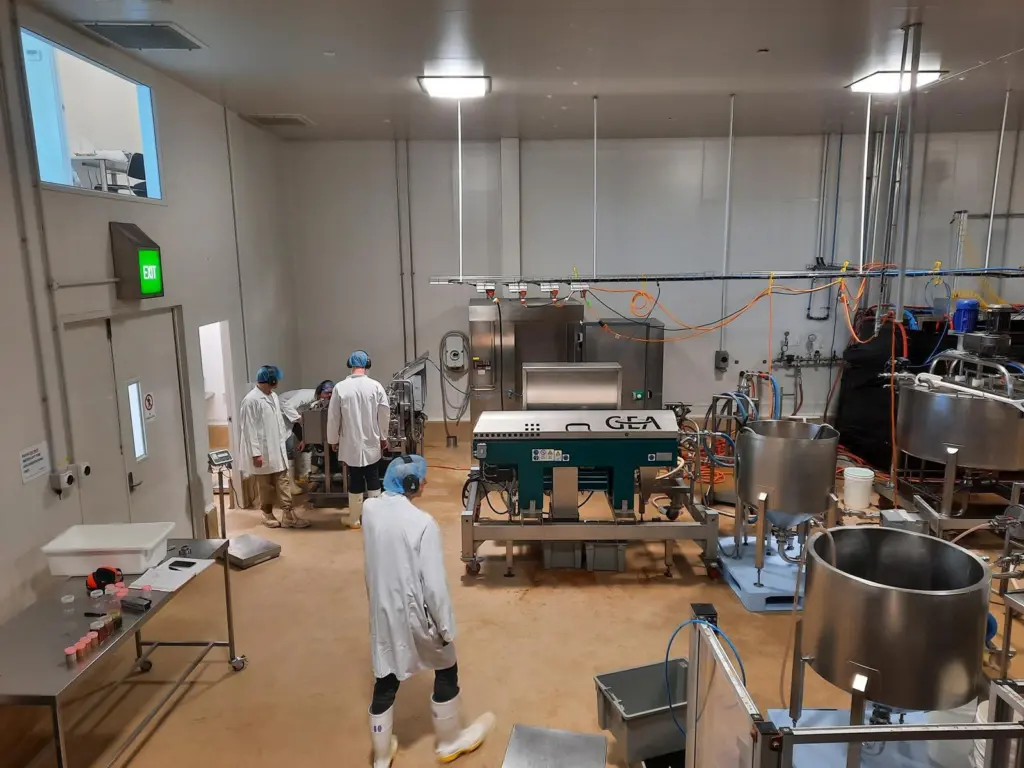
However, fully utilising seafood brings an array of challenges. With more than 100 commercial species and relatively low volumes of each, a marine products factory in New Zealand must be able to handle whatever arrives through the door, and be able to extract all the valuable molecules in fish or shellfish. In addition, not only is the molecular composition between these multiple species highly variable, it also varies within species depending on sex, maturity and season.
An added complexity is that by-product streams can change depending on whether some organs have been removed for other purposes, and there can be by-catch included in the mix. This diversity presents enormous opportunities for the recovery of a wide range of molecules from fish and shellfish but also creates huge challenges for the development of more universal ‘non-species-specific’ approaches to non-fillet processing.
In 2020, New Zealand launched a five-year, government-funded research project called Cyber Physical Seafood Systems (Cyber-Marine). Those involved include the Marine Products Group at Plant and Food Research, Research and Technical Services at Callaghan Innovation, The Centre for Data Science and Artificial Intelligence & School of Engineering and Computer Science at Te Herenga Waka – Victoria University of Wellington and The Chemistry Department at Otago University. The project also continues a longstanding relationship with The Biotechnology Group at Deakin University, Geelong, Australia.
“The project’s official name is Cyber-physical seafood systems: Intelligent and optimised green manufacturing for marine co-products,” Susan Marshall, Programme Leader from Plant and Food Research told WF. “It pulls together chemistry, biochemistry, engineering and computer science to develop efficient new multi-purpose marine products factories that only use low environmental impact technologies and that are controlled by artificial intelligence, or AI. It seeks to answer two big questions: how do we know what molecules are in our raw material in real time as it enters a processing plant, and how do we get them all out using only low impact processing technologies?”
Leveraging AI
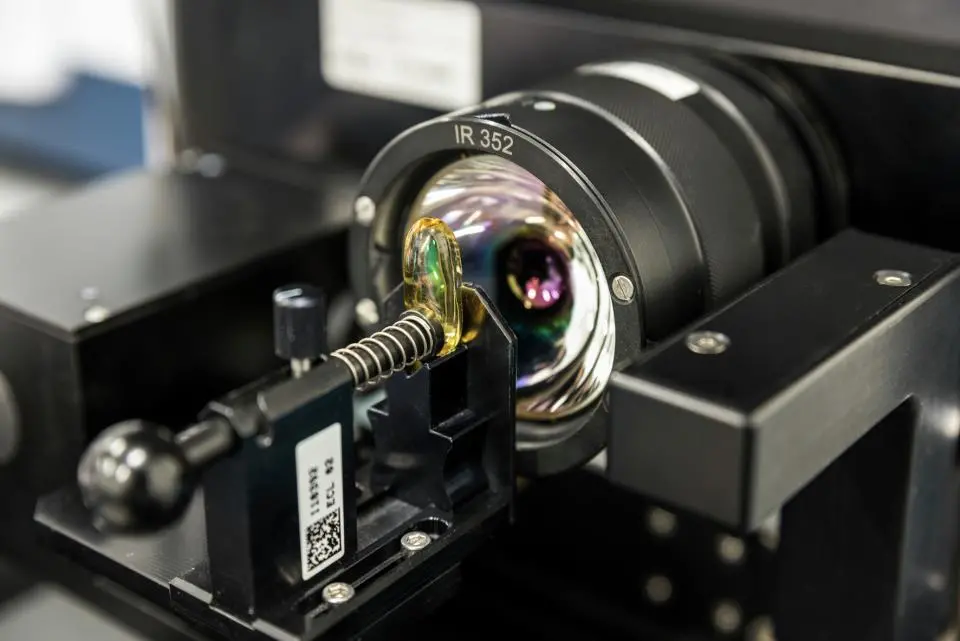
Cyber-Marine conducts extensive wet chemistry analysis of model species such as hoki, mackerel and greenshell mussels, and uses rapid analysis methods like vibrational spectroscopy (firing different wavelength lasers at the tissue) to capture spectra for the same samples.
AI is used to fuse these vast datasets and develop the algorithms for instantaneous analysis. Once the contents of the raw material are clear, choices can be made about optimal processing paths. The goal is to come up with new responsive processing technologies to maximise value and understand how to protect all molecules of interest, such as marine lipids and proteins, at every stage of processing.
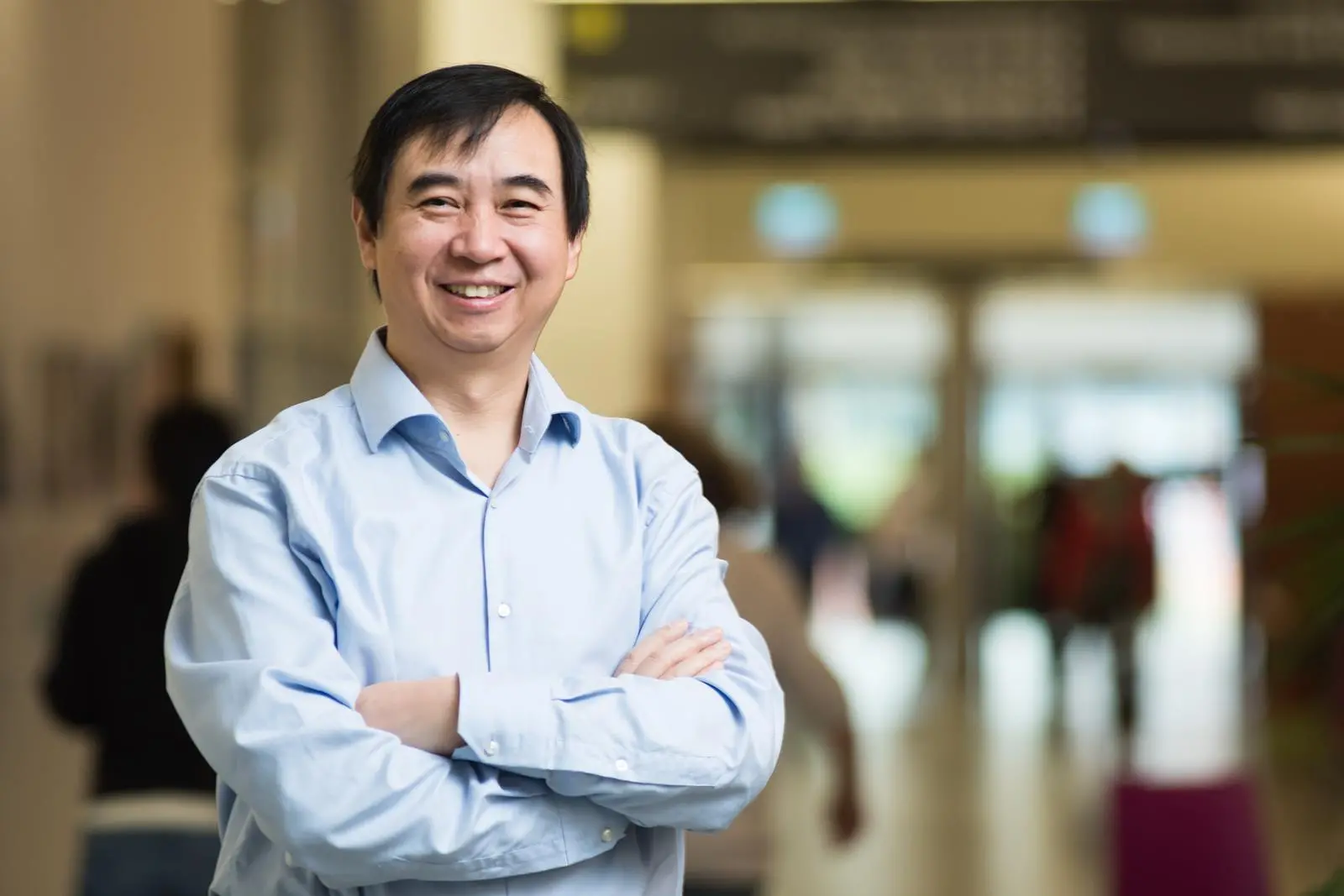
“One of our biggest challenges is knowing what we have coming into a processing factory in real time,” said Professor Mengjie Zhang at Victoria University of Wellington. “Coupled with the second aspect of the project, where we are elucidating all potential paths to products and developing technology for multi-product cascades, AI will be able to choose the best processing path based on the composition. The algorithms will also incorporate weightings based on changing market requirements so that optimal value is achieved. Once this system is installed, there is a clear route to automation, potentially overcoming ongoing issues with worker shortages.
“Our current focus is on composition, but in the future, we will include additional in-line sampling, such as gas headspace analysis, that could give real-time measures of freshness. Cameras on the input stream with AI species recognition could also greatly improve harvest data, feeding back into stock assessment and improving sustainability practices.”
Zhang believes that automation and AI will become even more significant in seafood processing, with increased collection and access to complex data enabling more automation and greater processing efficiencies with less need for intervention by people.
Processors can also take strategic steps to prepare for and leverage AI and automation, he said.
“They can work with research teams such as ourselves to determine when there is an advantage to using AI and/or more complex automation and where this should be applied,” he said. “Building partnerships with experts such as technology vendors or solution providers who specialise in seafood processing will also be important, along with investing in workforce training to enhance digital literacy and develop necessary skills to work alongside automated systems.”

Operational optimisation
By taking a thoughtful and strategic approach to integrating automation/AI, seafood processors can position themselves for improving efficiency, competitiveness and sustainability in a dynamically evolving processing environment. However, determining what specific equipment and AI requirements are needed and integrating the new technology into existing processing lines are big challenges, Zhang said.
These will require a thorough assessment of existing systems, careful planning, and replacing or updating components as needed to minimise disruption. It will also be necessary to work with researchers and preferably other industry partners to ensure cost effective and collaborative new technology development.
“A cost-benefit analysis will determine the long-term advantages, including reduced labour costs, increased efficiency and improved product quality,” said Zhang. “Handling seafood processing data, especially with AI applications, may also raise concerns about security and privacy, so adhering to data protection regulations will be essential alongside transparent communications with stakeholders about data handling practices. As the continued integration of automation, AI/machine learning and other advanced technologies move the seafood processing sector forward, it is likely to experience significant growth and transformation, with several trends and developments shaping its future.”
One such trend is data analytics for operational optimisation, Zhang said. Driven by AI algorithms, these will optimise areas such as demand forecasting and inventory management.
Real-time data analysis will enable processors to make informed decisions and enhance overall efficiency. Automated/AI systems will be able to analyse visual data to identify defects, ensure product consistency and meet stringent quality standards, while advanced robotics will handle tasks such as sorting, cutting and packaging with precision and speed.
IoT sensors will monitor and collect data on factors such as temperature, humidity and equipment status. This data will be used to ensure optimal conditions for seafood preservation, reduce waste and maintain product quality. However, while automation and AI will handle routine and repetitive tasks, Zhang believes that human workers will continue to play a crucial role in decision-making, problem solving and tasks requiring creativity and adaptability.
In its final two years, Cyber-Marine will demonstrate AI-monitored processing cascades in working factory prototypes. Having already demonstrated that portable and more economic spectrometers can capture suitable data, inspection windows are being developed for integration into the pipework of the project’s test rigs to allow data capture from the portable instruments. A suite of low energy extraction technologies has also been developed that uses the differences in properties of molecules to sequentially separate the components in raw materials while maintaining quality and structural integrity.
“We plan to demonstrate the concept to industry and provide full mass balance and energy calculations,” said Marshall. “The range of products will be produced with characterisation data. By 2025, the concept will be ready for opportunity assessment by our industry partners.”
Related Articles
 PROCESSING & REFRIGERATION
 SEAFOOD
 SEAFOOD