



Oceana flags up mislabeled seafood
Oceana has revealed that 31% of seafood is mislabeled in South Florida, according to a new report released this week.
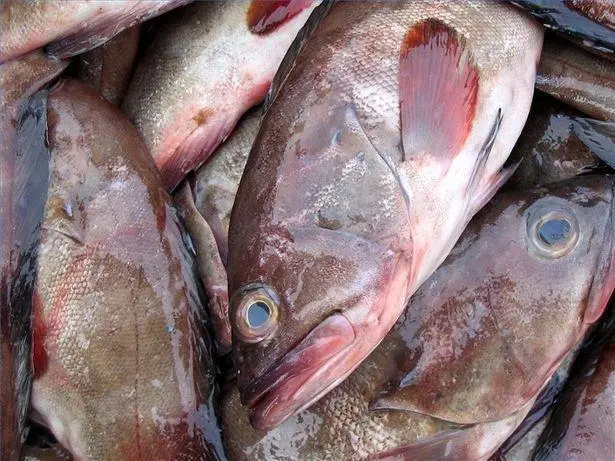
DNA testing confirmed that nearly one-third of the 96 seafood samples collected by Oceana from 60 retail outlets, including grocery stores, restaurants and sushi venues, were mislabelled, according to Food and Drug Administration guidelines.
Dr Kimberly Warner, report author and senior scientist at Oceana, said: “Our results suggest that South Floridians may be receiving a completely different fish than what they’re paying for. Not only does seafood fraud cheat consumers and hurt honest seafood businesses, it also puts our health at risk and undermines efforts to eat sustainably.”
Oceana’s investigation targeted species with regional significance and those that were found to be mislabeled from previous studies, including red and yellowtail snapper, grouper, wild salmon, yellowtail and white tuna.
Among the report’s other key findings were that sushi venues had the highest proportion of mislabeled samples at 58%.
Also that all of the white tuna samples from sushi venues were actually escolar, a species that can make people sick.
The most egregious fish swap was king mackerel, a high mercury fish that carries a do not eat health warning for sensitive groups, being sold as grouper.
Oceana argues that based on this evidence, inspections alone are not enough. It says that seafood needs to be traced from boat to plate to ensure that it is safe, legal and honestly labeled.
Related Articles
 FISHERIES
 SEAFOOD
 SEAFOOD