



New tests launched to help seafood industry
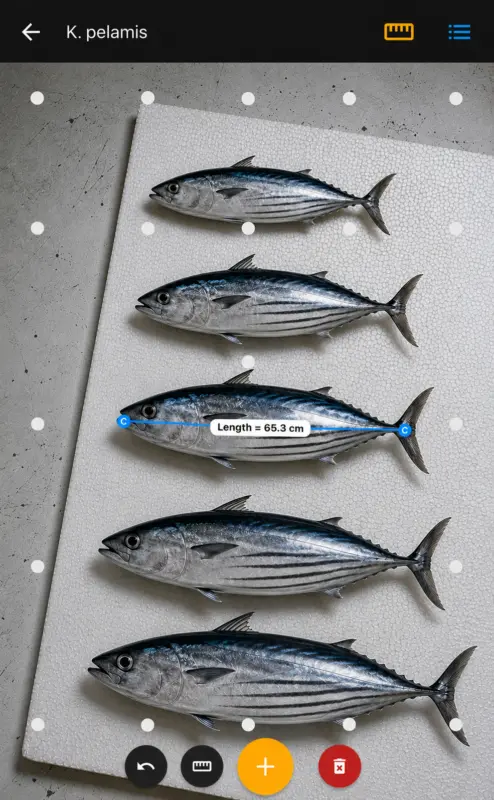
Fapas, the proficiency testing arm of the UK’s Fera, has launched new proficiency tests to help protect consumers and businesses from contaminated seafood.
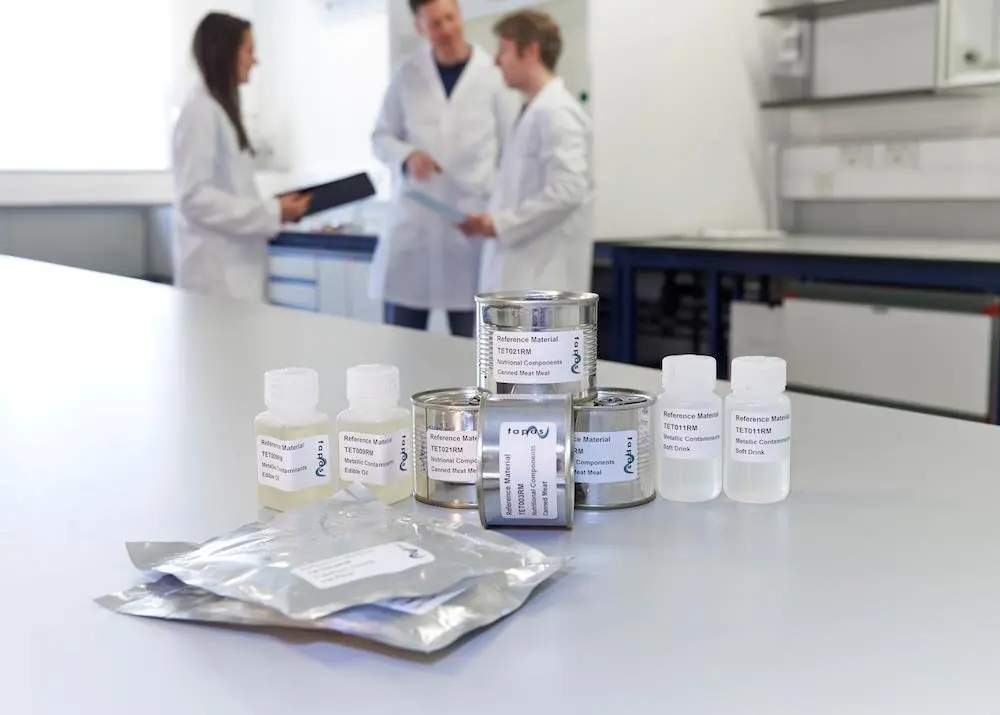
The tests look for the presence of Polycyclic Aromatic Hydrocarbons (PAHs) in shellfish and perfluoroalkylated substances (PFASs) in sea fish.
PAHs can cause cancer and gene mutations, whereas long term exposure to PFASs can be toxic to the liver, kidneys and thyroid, and produce changes in cholesterol.
“As seafood plays a large role within global protein intake, the global supply chain is under considerable stress – which can potentially lead to poor supply chain practices and increased risk to consumer health,” said Mark Sykes, scientific advisor of proficiency testing for Fapas.
“The development of new proficiency tests demonstrates our commitment to supporting the seafood industry in ensuring that regulatory standards are consistently met and that unacceptable levels of contaminants are not present in the products being sold to consumers.”
Lifestyle related
Both substances result from our lifestyles. PAHs are largely a combustion by-product, washed from the air by rain, which eventually enter the sea where they accumulate in bivalve molluscs.
PFASs are synthetic chemical compounds used for their waterproofing and stain repellent properties. They are very persistent in the environment allowing them to find their way into the food chain, particularly sea fish.