


Aquaculture quickly warming to the benefits of nanobubbles
In aquaculture, water quality is paramount. No matter the aquatic species being produced and the farming system that it’s occupying, from hatchery through to final grow-out, water quality is among the most determining factors when it comes to productivity, cost-effectiveness, yield and end-product value.
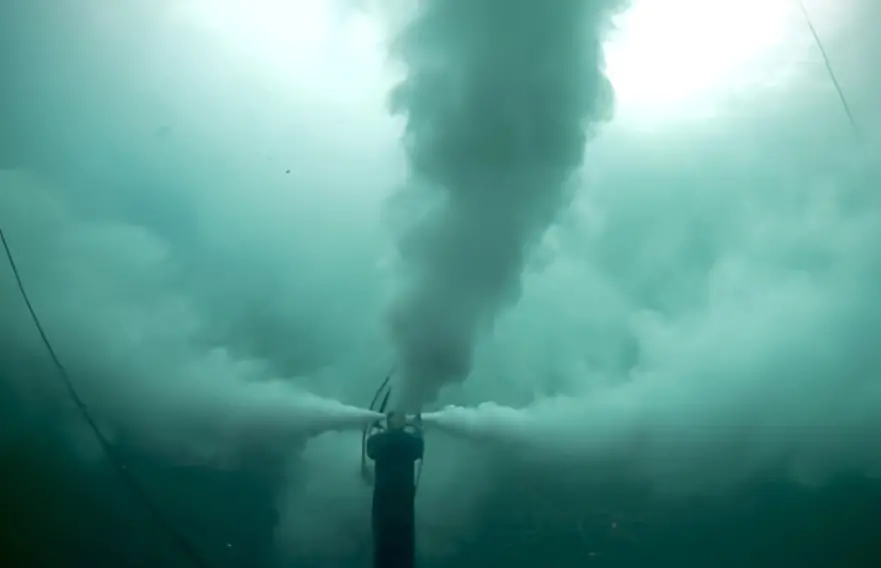
The water used in these systems face a constant barrage of challenges that are growing in number and magnitude, with climate change at the forefront. Fortunately, solutions are emerging, and one of the newest, most innovative means to address these threats is nanobubble technology. Essentially, these systems increase water quality and dissolved oxygen levels, helping to increase treatment capacity and promote fish welfare.
Nanobubbles are around 2,500 times smaller than a grain of salt. They’re generated by injecting compressed oxygen into rapidly flowing water. Being very small in size means they behave differently from larger bubbles. Amongst other things, it allows them to remain suspended in water for long periods of time until they dissolve. Not only does this make elevating oxygen levels more economical and provide important oxidative benefits, with the nanobubbles acting like solid particles, it offers the ability to clean the production systems being used – scouring biofilm from surfaces and enhancing particulate removal through natural coagulation and fractionation– making the environment more bio-secure and less stressful for the resident fish.
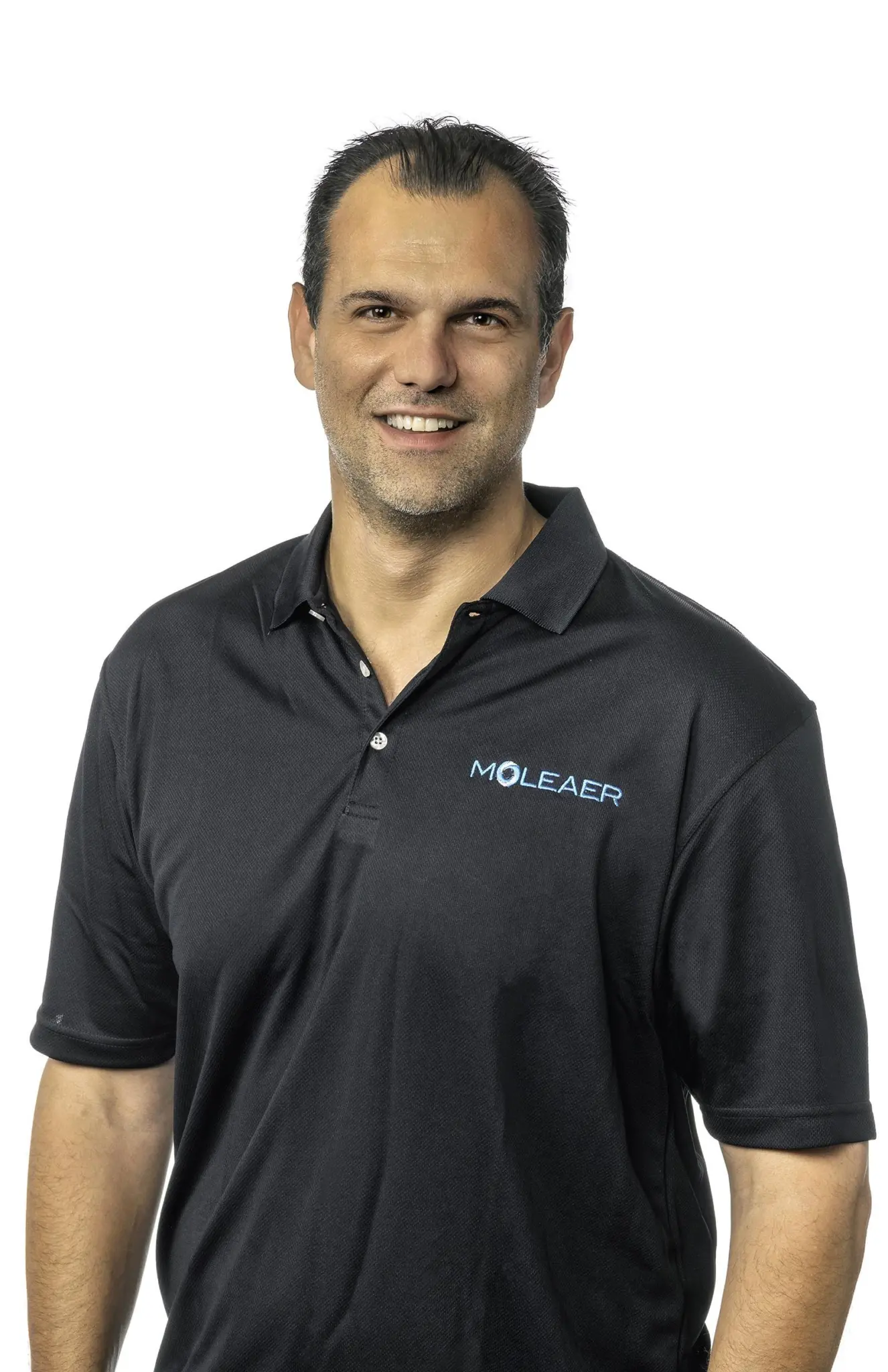
California-based Moleaer is one of a small handful of companies championing the technology’s introduction into the aquaculture space, with salmon farming as its main entry point into the industry. Just six years old, Moleaer already has more than 2,500 nanobubbles systems deployed globally, across a range of industries. It primarily operates in North America, Mexico, Chile and Western Europe. And while aquaculture isn’t its largest business segment, it is its fastest growing, with some 167 easy to install and maintain aquaculture installations to-date, CEO Nick Dyner told WF.
“At its heart, Moleaer is not an aquaculture company – per se. We’re a water environmental technology company, and we’re trying to help industries that use water in any capacity to be able to produce more with whatever they’re using that water for, or to treat it more cost-effectively and more sustainably,” Dyner said. “That’s usually rooted in how to help somebody either use less chemicals or to use less energy. That’s how you get costs out, and that’s also how you do things more sustainably. Some 90% of the world’s water goes to food and industry, with 70% of that – the largest use of water – going to irrigation.”
Changing up
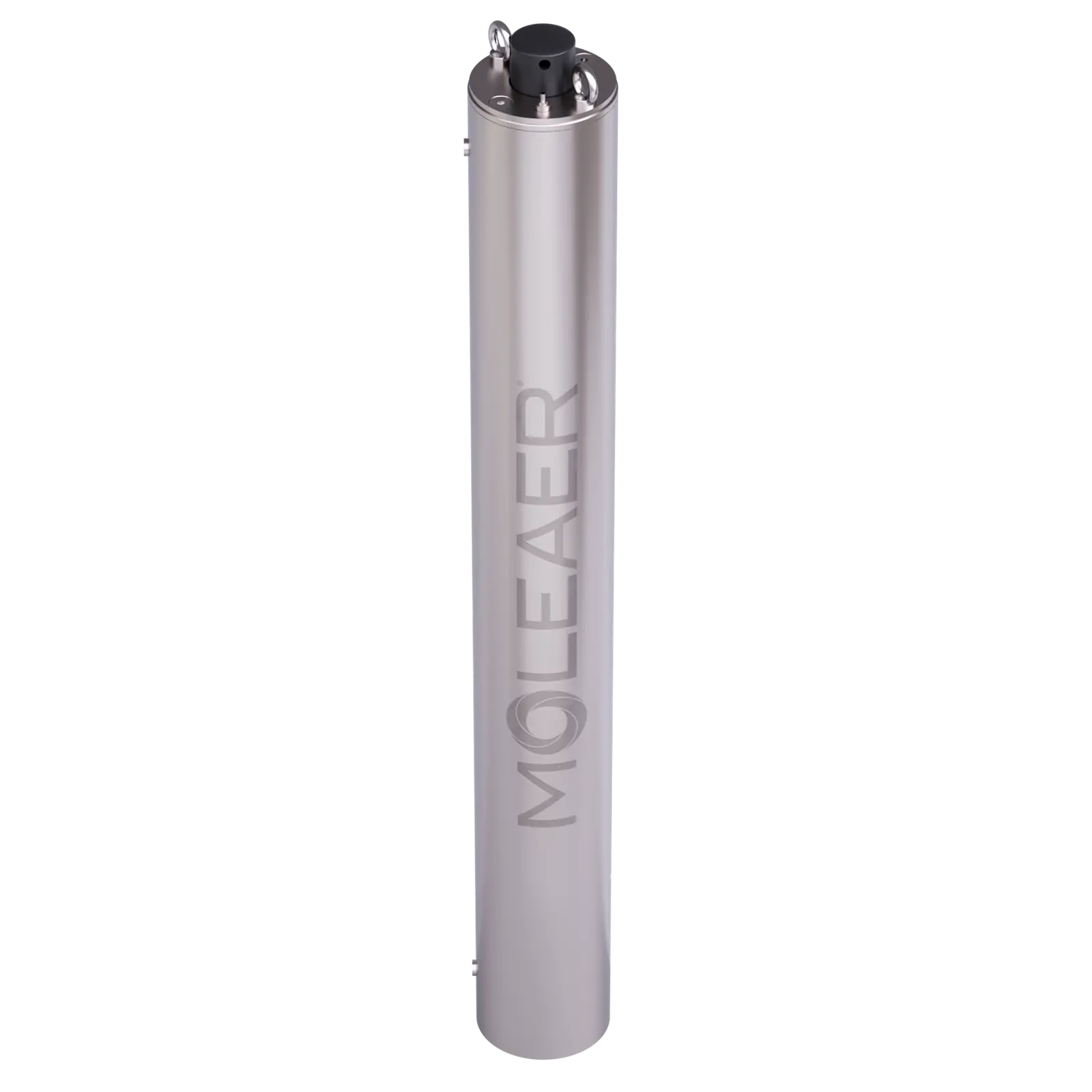
Moleaer’s nanobubble generators, which can be bought or rented, are capable of providing more than 85% oxygen transfer efficiency, which is regarded as the top rate in aeration and gas-to-liquid transfer. By comparison, standard systems offer around 3%. As such, fish farmers could significantly reduce the amount of oxygen they are buying. Additionally, having stable oxygen levels means they can potentially increase their stocking densities and be able to grow more fish cost-effectively. Mortality rates should also decline.
These benefits, Dyner said, have caught the attention of the aquaculture industry.
“You’re getting lower oxygen costs, more stable amounts of oxygen, lower mortality rates and you’re going to see improvements in fish welfare,” he said. “These benefits can apply to every aspect of growing fish – from the spawning in the hatchery, to moving that fish – if it’s salmon – to sea cages, to the wellboats for treatments, right through to harvest. They are applicable across the entire lifespan of that salmon.”
Quick rewards
As with anything related to water, the results seen will be dependent on the production systems that Moleaer’s solutions are going into, with variables including the type of farm that it is (for instance, RAS, pond or marine cage), how much water is being used, how the system has been designed, how many fish are being introduced, what species they are and what their oxygen requirement is. Regardless, Dyner maintains it will take months rather than years to recover the investment, and that in the case of renting the solutions, savings will be made on day one.
He highlights that one hatchery in Chile experienced a 49% reduction in oxygen costs simply by replacing its industry standard oxygenation technology with an inline nanobubble generator. A return on investment was achieved within nine months. Meanwhile, a grow-out site in Canada that had a biomass of 160 tonnes reduced its oxygen use by 58% by replacing diffusers that had previously been operating at 156 litres per minute.
“The savings can be fairly significant,” he said. “Otherwise, technology like ours wouldn’t have been able to be so successful in such a conservative business.”
The rapid take-up by a growing number of installations has also been helped by it being a retrofittable product.
“You don’t have to wait for a new system to be to be developed to be able to use our product,” Dyner said.
Expansion plans
Moleaer began looking in earnest at aquaculture about three years ago. It saw the industry had become interested in adopting new technologies, and so after a year or so of pilot/development work, it started to land some initial sales about 18 months ago.
With the decision taken to first focus on salmon, with the sector widely-recognised for being an early adopter of innovations, it opened an office in Norway 14 months ago and then Chile two months ago.
The goal is to become the leading and standard oxygenation technology for both geographies, Dyner said.
But interest from other species producers is gathering momentum. “It’s what we’d hoped we’d see,” he said. “Investments are being made in other finfish and also RAS facilities, in particular, with ventures in Spain, Iceland, Switzerland and Florida approaching us because the want to evaluate our technology for similar purposes.
“And if you think about it, RAS companies – going from egg to smolt or all the way through to final product – are water treatment companies that are growing salmon. They have to understand how to use that water and how to reuse it. That’s where Moleaer comes in: We look at all of the different grow-out stages and how our nanobubble technology can reduce oxygen costs and maintain a more stable level of oxygen to ensure the fish will survive from end-to-end. We’re also looking at how we can improve water quality, how our technology can enhance UV processes, and how it can reduce any other disinfection chemical use and costs.
“We look at the whole end-to-end solution holistically and not just the cost savings. Everyone loves cost savings, but what’s also important is how you create that peace of mind for the grower, and helping them achieve the lowest mortality etc.”
Moleaer will also soon launch a submersible nanobubble generator, called “Freyja” (named after the Norwegian goddess). Freyja is primarily being targeted for use in net pens and to ensure there’s sufficient oxygen supply given to fish when the site is challenged by algal blooms.
“It’s the best in class,” Dyner said. “We’re really excited by it. It has the highest oxygen transfer rates of oxygen per kilowatt input in the market. It’s going to be an important technology for those growers that are affected – enabling them to lower their production costs and improve the welfare of their fish.
Related Articles
 PROCESSING & REFRIGERATION
 PROCESSING & REFRIGERATION
 PROCESSING & REFRIGERATION