


Unlocking scalable, eco-friendly shrimp production
Ponds have been the backbone of shrimp farming for decades, but the environmental challenges they create, such as nutrient pollution from effluent discharge or mangrove deforestation, have increasingly highlighted their limitations. As aquaculture faces mounting pressure to adopt sustainable practices, land-based shrimp farming in the form of recirculating aquaculture systems (RAS) is emerging as a modern, innovative production method, a progressive alternative that can not only boost yields and enhance shrimp quality, but also align with responsible aquaculture and environmental protection.
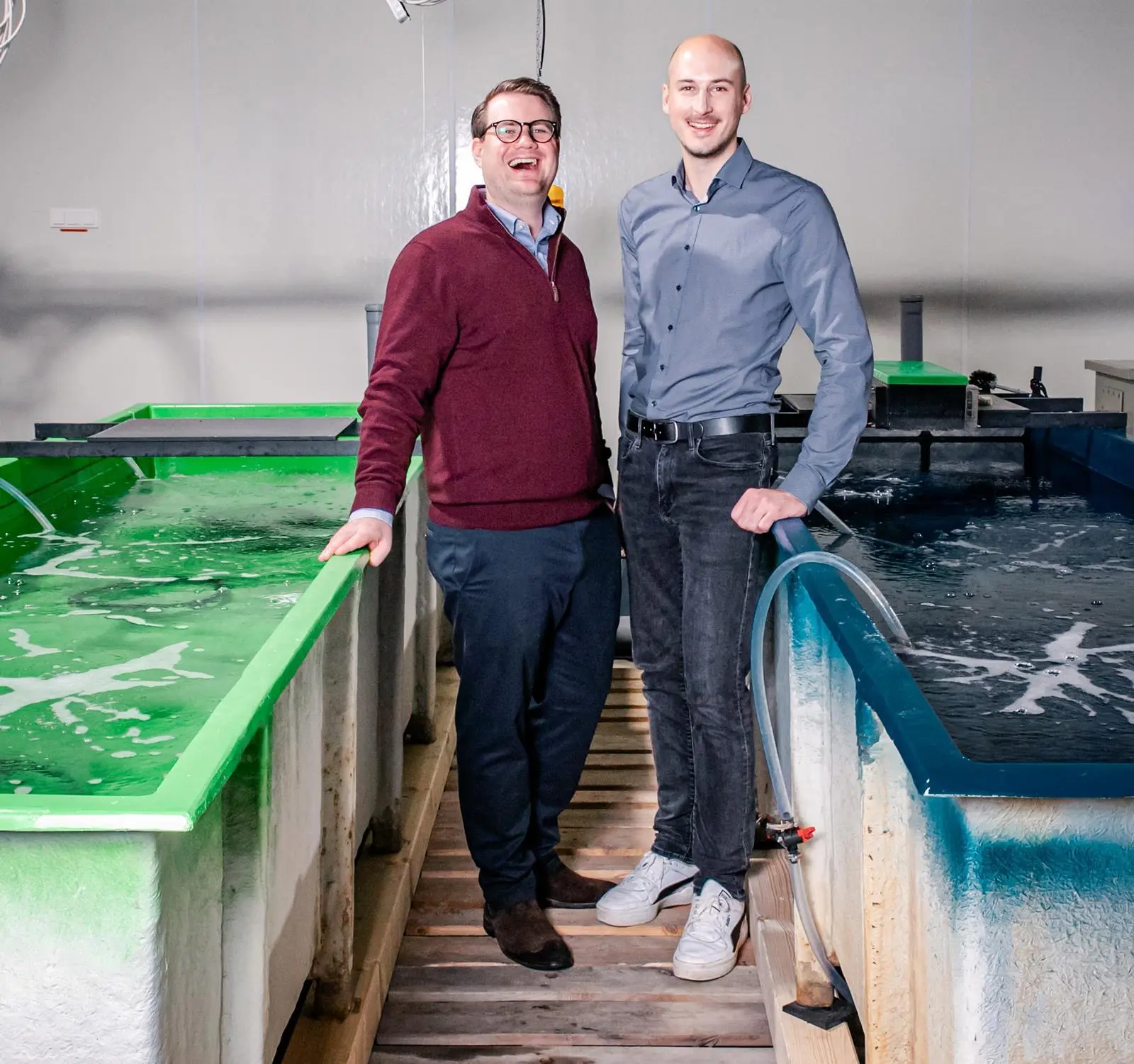
Visiting shrimp farms in India made David Gebhard and Florian Gösling establish their startup Aquapurna in Wunstorf, Germany, nearly five years ago. Their aim was to make large-scale shrimp farming in the west and in Europe more cost-efficient through a technology-driven approach, and redefine industry standards to enable the production of eco-friendly, high-quality shrimp. Its dedicated research centre for shrimp-specific RAS became the foundation for a series of innovations.
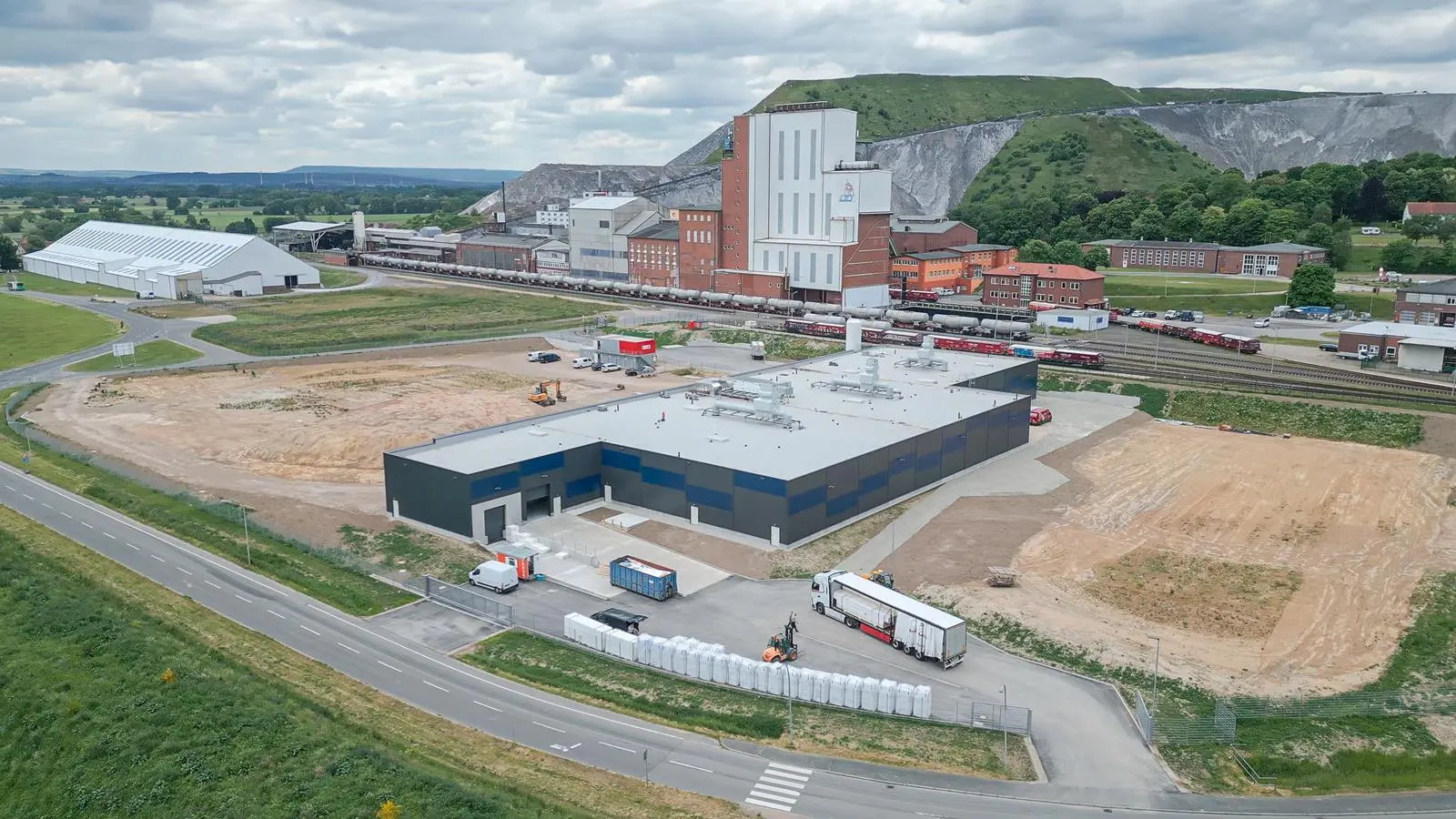
It was soon followed by an industrial farm, which is about to be completed after a construction period of one and a half years.
“Florian was on a sabbatical in India and stumbled across traditional pond farming for shrimp,” Gebhard told WF. “He told me how shrimp are produced there and the type of products that end up on our tables, and we realised that in Europe, shrimp is very popular but still seen as a delicacy or something luxurious.
“There are also few prototype farms in Europe, especially in Germany or Switzerland, that produce fresh, antibiotic-free shrimp, and those that do produce expensive products for niche markets rather than the broader market. We looked worldwide to see if we could acquire a large-scale farming system to bring down production costs but couldn’t find one, so we decided to develop it ourselves. After more than five years of research and development, we have moved from validating our innovation to prototyping, and are now scaling up what we’ve developed over the last year.”
Controlled environment
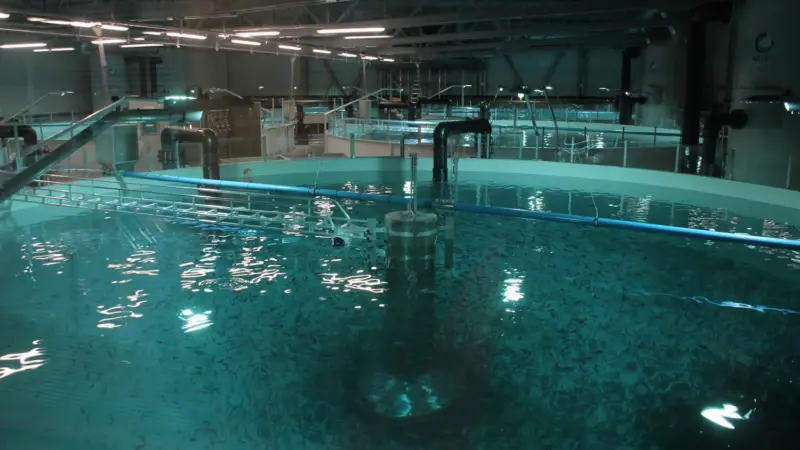
At the heart of Aquapurna’s success is the Smart Reef System, which aims to create a stress-free, data-driven environment in which L. vannamei shrimp can thrive. By mirroring nature and replicating natural shrimp habitats, the system provides a controlled environment that optimises shrimp health and increases yields.
Thanks to constant recirculation and filtration, crystal clear water is maintained throughout at a depth of 1 to 1.5 metres. This makes it possible to see exactly what is happening in the tanks at all times and determine the amount of space to reach high densities.
The system also allows three generations of shrimp to coexist in one tank without manual handling. This results in stress-free shrimp that display vibrant behaviour and grow faster, with high survival rates. The clear water also positively impacts the texture, flavour and quality of the shrimp, which end up with a striking royal blue hue, a crunchy, meaty texture and a distinguished sweet, nutty taste. Harvesting is possible every two days, while the introduction of gravity-based water treatment reduces energy consumption and minimises costs.
“Reducing power consumption was a priority for us, because power prices are high in Germany,” Gebhard said. “This is the reason behind gravity-based water treatment – the water is moved by gravity as it goes through different treatment stages. We also designed a rotating harvest system of large, rectangular tanks that are separated into compartments. Each compartment contains one generation of shrimp, but they are not completely shut off from each other.
“When it’s time to harvest, the shrimp are automatically transferred from their compartment into the harvest compartment after being sorted by size. The empty compartment is then restocked immediately. The first module we built harvests every two days, but once we have more modules, it will be possible to harvest every day. This is much more cost-efficient than traditional ponds, where farmers harvest around three times a year.”
Ideal parameters
Gebhard and Gösling started out during the COVID-19 pandemic with a period of dedicated research before achieving a breakthrough with their industrial prototype. They were also able to determine the needs of shrimp at particular stages of their development. Water parameters such as temperature and salinity were carefully calculated to ensure that the shrimp would thrive in conditions such as high stocking densities.
The Smart Reef System has considerable benefits, Gebhard said, from minimising environmental impact to reducing energy consumption and carbon footprint. Small- and medium-sized farms that may eventually want to incorporate it will require a certain skill set for running and operating, as well as significant capex.
But with the system now proven to work, he is optimistic that it can expand beyond Aquapurna in the future.
“The system can keep shrimp production at its best level, 24/7, at all times,” Gebhard said. “It is also controlled by the newest sensor technology, which enables us to gather all necessary data and adjust or maintain the water parameters so that they remain at the perfect level. It’s about achieving the optimum all the time, and our system makes this possible.”
New markets
Aquapurna is now focusing on maturing further, maintaining steady growth and expanding into new markets. But in the beginning, the journey was not easy, said Gebhard, who had to deal with significant impacts on the price of energy and construction materials due to the COVID-19 pandemic and war in Ukraine.
Amidst this, Aquapurna applied for the BlueInvest Readiness Assistance programme, an exclusive coaching programme for EU startups, to receive personalised guidance and enhance its financial capabilities. Through this, Gebhard and Gösling built investor relationships and refined their fundraising strategy, eventually obtaining an investment for continued growth and entry into new markets.
With a team of dedicated biologists and researchers on board, Gebhard and Gösling have built the fundamental know-how and specific in-house knowledge required to build on their current work.
“Our vision is to create an affordable alternative, to offer a premium product for the health-conscious consumer who wants to know what ends up on their plate or wants to treat themselves,” Gebhard said. “However, it takes time to refine the system and it’s not a good idea to go out too fast and proclaim too high numbers. Our aim is to grow in a proven, conservative way, and hit the markets once we have made sure that all the numbers and validations are in place. We believe that there is a large space in the European or western shrimp market for our kind of system. Optimistically, perhaps 10 or 20% of the overall market.”
Aquapurna is redefining modern shrimp farming, proving that eco-friendly aquaculture can be both scalable and profitable. With their site now set for further expansion, Gebhard and Gösling will be working to get their first module up and running before validating its performance in a large-scale system.
The company’s research centre for RAS will remain a fundamental part of the process to ensure stability, not just for the Smart Reef System but also for the hatchery stage of production. Hopes are high that Aquapurna will continue to show the world that responsible shrimp farming can feed growing populations.
Related Articles
 AQUACULTURE
 AQUACULTURE
 AQUACULTURE