


Knowledge-based feeding and planning solutions for aquaculture
Over the years, information technology (IT) solutions have become crucial for aquaculture, offering benefits across all aspects of production, management and sustainability. Because the sector is also significantly diversified, with a range of activities underpinning species, feed production systems, disease, and new business structures, it must continue innovating to produce more seafood and meet the demands of the global population. By embracing new technologies, such as IT solutions, aquaculture can become more productive and sustainable, improving efficiency and optimising operations through data-driven decision making.
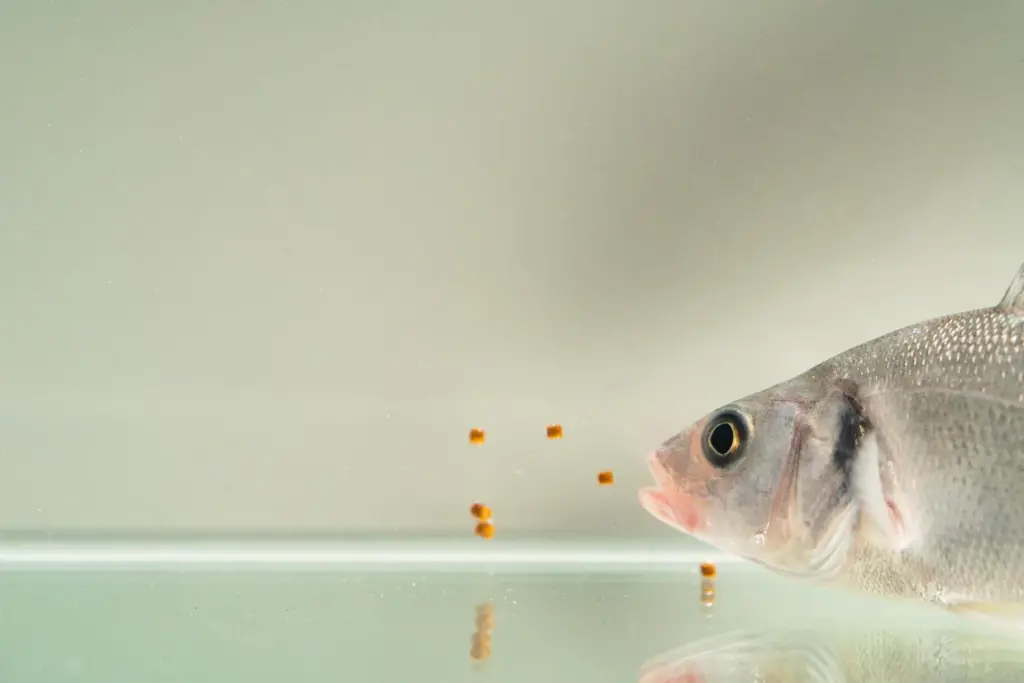
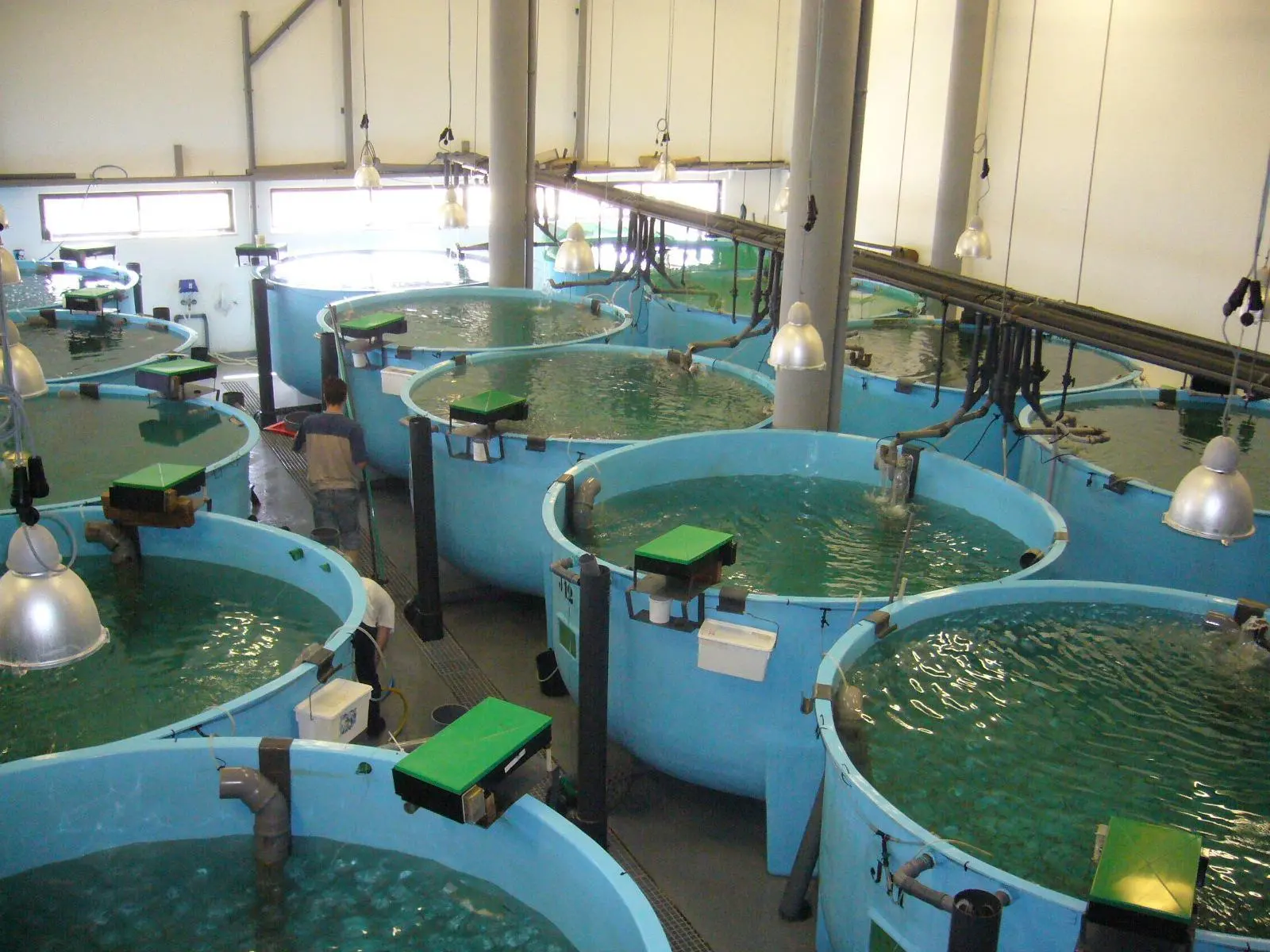
SPAROS, a Portuguese small/midsize firm that offers new products and tailored nutritional solutions for aquaculture, is a firm believer in the potential of IT solutions, in particular digital nutritional tools. In 2023, the company formed a consortium known as The OptiFeeSH consortium with cloud-based data management and data analytics firm Blue Analytics, i2s (Integrated Information Systems)/aquaManager, which specialises in software technology, data analytics, sensors and data loggers for aquaculture, and Portuguese land-based flatfish producer Flatlantic.
The goal of the consortium is to develop a solution for optimal fish feeding and production.
“Our focus is biological and nutrition modelling-based solutions for the aquaculture sector,” Ana Nobre, product manager at SPAROS, told WF. “We recognised the challenge for fish farmers in having to use lots of different types of software, and thought it would be interesting to work closely with i2s and explore together the synergies between the SPAROS digital nutrition expertise and their aquaManager fish farming systems, which are available for farms worldwide.
“We began talking about joining forces and decided to start with applying fish growth models to create custom specific feeding rate (SFR) and feed conversion ratio (FCR) plans. Now, the consortium has combined its expertise on fish nutritional modelling, data analysis and predictive tools, fish production management systems, and industrial R&D to develop a platform that enables farmers to embrace a more scientific, data-driven approach to feeding and production management.”
Gap in the market
Following the consolidation of the aquaculture management software space over the last decade, non-integrated tools targeting precision farming are currently booming, the consortium explained. These are based on technologies such as underwater cameras, echo sounders, sensors and image processing algorithms for specific monitoring. However, a practical solution for on-farm feed use optimisation is non-existent in the global market.
Productivity in aquaculture is heavily influenced by feed and feeding practices, but despite their importance, significant gaps persist in feeding management across many aquaculture systems, said Alexis Glaropoulos, Consultant at i2s/aquaManager. Feeding decisions are still largely based on subjective visual assessments, he said, such as the speed of feed consumption, surface activity of the fish, and occasional gut content analysis. These methods often lead to manual, reactive adjustments in feeding rates, which can be inconsistent and inefficient. However, recent advances in aquaculture technology offer promising solutions.
“Automated feeding systems, real-time monitoring tools, and data-drive models make it possible to optimise feeding strategies, simulate ideal production scenarios, and significantly reduce feed waste, ultimately enhancing productivity and environmental performance,” said Glaropoulos.
“Production plans, such as SFR and FCR tables, are fine-tuned based on a trial-and-error approach,” said Nobre. “However, our solution, OptiFeeSH, enables farmers to create tailored feeding production plans. It will help them greatly in making daily feeding decisions, and help managers with long-term production planning.”
Tailored planning
OptiFeeSH is an innovative cloud-based application. It draws on the consortium experts’ knowledge and experience and enables farmers to create optimal production plans, closely monitor their implementation, identify any deviations, and adjust the plans as needed to meet production targets. It estimates fish feed requirements based on site-specific growth targets and feeds used.
Users can create multiple plans that meet their farms’ target growth and choose the optimal one according to their criteria: faster growth, minimum FCR, maximum profit or a compromised solution. These tailored plans help avoid overfeeding, fine-tune FCRs, and detect underfeeding early, providing a solid basis for daily feeding decisions. To date, OptiFeeSH is available for seabass, seabream and tilapia.
“The strength of this tool is that it creates sound feeding tables that can be implemented in the field with confidence,” said Rui Amaral, production controller at Flatlantic. “This will provide more trust in daily feeding recommendations and hopefully prevent some of the fluctuations in fish appetite while maintaining steady growth.”
The solution is being developed based on the main expertise of each international partner in the consortium: SPAROS will share its knowledge and skills on fish nutrition and developing nutritional modelling tools for the fish farming industry. Blue Analytics will contribute its expertise in developing data analysis and predictive tools, especially with regard to data mining and machine learning techniques, and in developing cloud-based solutions. i2s/aquaManager will offer knowledge in fish production management systems, developing software solutions and its experience in commercialising this type of solution as SaaS (software as a service). Finally, Flatlantic will bring its expertise on fish production and industrial R&D.
“Our solution is a powerful tool designed to optimise fish feeding and production management in aquaculture by generating optimal FCRs and SFRs based on fish biology, nutritional requirements, and the targets of fish producers,” said Angeliki Sagia, Consultant at i2s/aquaManager. “Our team is committed to technologically advanced, user-friendly solutions that help to improve feed efficiency, growth performance, and sustainability in aquaculture.”
“We expect to help fish farms not only to increase profit, but also in other ways, for example, by improving water quality through feed waste reduction, and adapting to the market through optimised harvesting plans,” said Nobre. “Perhaps the biggest challenge during the system’s development has been working to guarantee simplicity at the interface while hiding the complexity at the back-end, and ensure that only minimal inputs are required for farmers to create the OptiFeeSH production plans and benchmark with their own production data. In other words, to ensure that we build something that can be used in a straightforward way by farmers, and encompass the required complexity of nutritional and biological processes to estimate feed requirements and optimised production plans.”
Associated benefits
Aquaculture faces increasing pressure to improve feed management due to rising global demand for seafood and the need for sustainable practices, including better feed efficiency, alternative protein sources, and disease prevention. In this sense, the demand and need for better feed management in aquaculture is high. Feed typically represents the largest single operational expense in aquaculture, often 50 to 70% of total production costs depending on the species and production system, said Glaropoulos.
Optimising feed isn’t just about cost-cutting; it’s also about improving efficiency, reducing waste and minimising environmental impact.
Alongside significant progress in fish genetics, the implementation of optimal feeding regimes has become increasingly vital in modern aquaculture. As selective breeding and genetic enhancement improve growth rates, disease resistance, and FCR, it is equally important to ensure that feeding practices are aligned with the physiological needs of these improved stocks, said Glaropoulos.
“In both land-based and sea-based systems, tailored feeding strategies not only support healthier fish development but also enhance overall production efficiency and environmental sustainability,” he said. “By optimising feed composition, frequency, and delivery methods, aquaculture can reduce waste, lower costs, and minimise the ecological footprint of fish farming. Together, genetic advancements and precision feeding form a powerful synergy, driving the future of sustainable aquaculture forward.”
Looking ahead, future research will focus on quantifying the improvements that OptiFeeSH production plans may bring to fish farms, based on the results of ongoing pilots, and expanding the solution to include more species, such as Atlantic salmon.
“This decision-making tool is a unique offer for aquaculture farmers to optimise feeding strategies and production plans based on a sound nutritional approach,” said Kostas Seferis, Director of Blue Analytics and Group CEO of aquaManager Group.
“The OptiFeeSH project will empower fish farms to make their business more profitable, environmentally-friendly and fish-friendly,” added Luis Conceição, Co-CEO at SPAROS.