


Climate change could significantly impact fisheries in the North East Atlantic but fisheries management can be adapted to meet challenges.
This is the findings of a report which focuses on how the management systems of Europe’s most sustainable fisheries perform when faced with increasing climate change impacts, and how we can understand and incorporate these changes into management decisions.
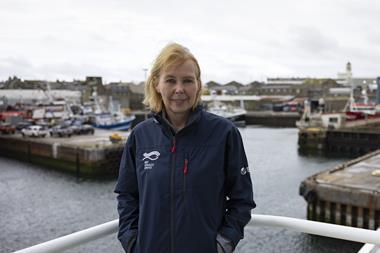
Thanks to recent climate and fisheries science we are able to document a clear risk to fisheries in the region as a result of climate-related impacts on commercial stocks,” said Erin Priddle, UK fisheries manager for Environmental Defense Fund Europe (EDF), whose fisheries and climate change workshop, hosted by the International Council for the Exploration of the Seas (ICES), preceeded the report.
Distribution changing
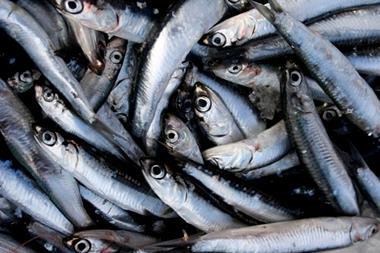
As oceans warm, fish distribution and spawning habits are changing significantly, said EDF. The report highlights how current, rigid management systems could face a return to overfishing, regional conflict over resources and illegal discarding.
Scientists are optimistic about the tools that can be used to overcome impacts found the report. Among those tools is an emerging shift towards a more holistic ‘ecosystem-based approach’ including simultaneous management of multiple, interacting stocks.
A second report commissioned by EDF documents how other fisheries have tackled changes in stock distribution and allocation with possible paths that the North East Atlantic might consider. Potential reforms, along with improved conflict resolution methods, will help the region thrive despite the challenges brought on by climate change, said EDF.