



This month sees the start of the all-species seafood processing exhibition season with Seafood Processing North America opening its doors in Boston on the east coast of the USA from 16-18 March.
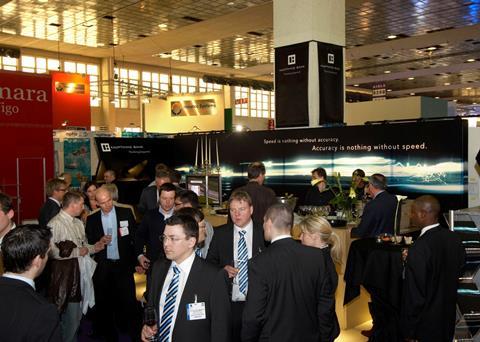
As the name suggests, Seafood Processing North America mainly serves the US and Canadian markets for seafood processing equipment, services, packaging and logistics. In previous years it was called Seafood Processing America and was co-located with the International Boston Seafood Show, now called Seafood Expo North America.
As part of the same rebranding exercise, the former Seafood Processing Europe, which occupies a hall of the Expo Centre in Brussels from 6-8 May, is now called Seafood Processing Global. It will be held in conjunction with Seafood Expo Global, the former European Seafood Exposition.
Without doubt these two exhibitions together are the biggest seafood exhibition in the world and it is rather a surprise that they have been referred to as European events for so long.
Now in its 16th year, Seafood Processing Global will feature exhibitors specialising in the full range of products and services required by seafood processors, including: computers, software and information systems; containers and totes; cutting machinery and technology; display cases and live tanks; freezing systems; labelling equipment and supplies; packaging machinery; refrigeration systems and supplies; scales; slicers, temperers and formers; trucks, cargo containers and cargo handling; warehousing and cold storage.
Worthy
It is only during the past 15 years that seafood processing has been deemed worthy of its own show. Before then equipment for processing fish would have been included in the same exhibition as machines for processing meat.
However, it cannot have escaped attention how sophisticated seafood processing has become, with computerised systems, even robotics, now commonplace. As the cost of processing is rising, so every effort is being been made to automate basic functions.
Indeed complete lines have been developed where whole fish, often salmon, enter the line at one end and packaged fish products ready for the supermarket shelf leave at the other. And all this is done with the minimum of labour.
Yield can sometimes be sacrificed in these circumstances, but on the other hand machines never get ‘tired’ and will repeat the same function for as long as they stay switched on. Meanwhile new uses are being found for what might at one time have been regarded as processing waste.
Of course, processing fish does not just take place in factories onshore, but also at sea. Here there are different factors to be taken into account such as vessel movement and lack of space in which to site and operate equipment.
One exhibitor at Seafood Processing Global, Peruza of Latvia, has covered both land and sea options with its range of roller grading machines for small pelagic fish. According to Peruza, its graders can deliver 3-5 grades depending on the design and can operate either as stand-alone models or be incorporated into fish receiving and pre-processing lines.
The company says that its graders have been installed in various countries including Croatia, Spain, Ireland, Norway, Poland, Estonia, Latvia, Turkey and, more recently, the Philippines.
More processing equipment and services on display will be announced in the lead up to the exhibition.