





WWF: cod can recover if we control bycatch
The strong recovery of North Sea cod stocks has been acknowledged by WWF but the NGO is concerned poor management of certain stocks will undermine the species’ recovery.
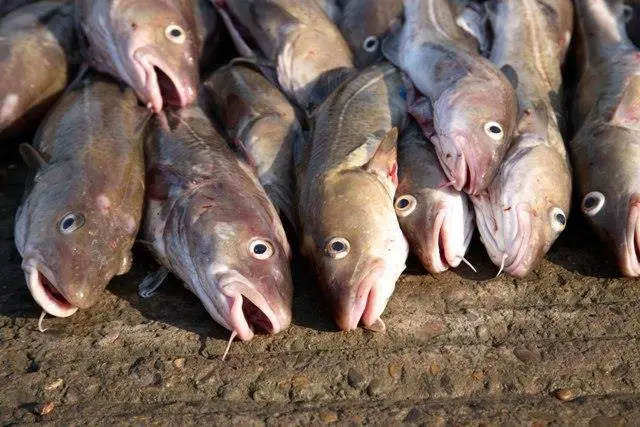
“Depleted North Sea cod stocks have been recovering recently, thanks to a particularly successful breeding season in 2005 and subsequent limits on catching those fish as they’ve grown,” said WWF.
“But the recovery is threatened by trawlers catching too many cod while fishing for other species. Steps must be taken to reduce cod catches further, to let stocks properly recover.”
WWF has seized upon advice from the International Council for the Exploration of the Seas (ICES), recommending cod fishing quotas to be reduced 20% based on their 2010 level to restore stocks to their maximum sustainable yield.
The European Commission will need to follow this advice if it is to achieve its commitment of attaining maximum sustainable yield for all European fish stocks by 2015, WWF said.
The NGO said the cod recovery is largely thanks to the conservation measures put in place, including ‘closed’ protected areas and the use of selective fishing gear that allows cod to escape from nets while retaining other fish.
“But there’s still a long way to go for the iconic cod. The big threat is bycatch – the amount of cod caught unnecessarily by trawlers targeting a mixture of species.
“Because cod quotas are lower than for other fish, any excess cod is simply thrown back overboard – often already dead. These discards are not officially recorded or counted against the fishing quota,” said WWF.
It is calling for all vessels to fully document their catches, using onboard cameras and catch quotas. Catch quotas limit the amount of fish removed from the sea, rather than recording what is landed.
Such an approach has already been trialled by fleets in the UK and Denmark, WWF said, and could lead to a marked reduction in discards, as fishermen have a greater incentive to fish more selectively.
Related Articles
 FISHERIES
 FISHERIES
 WORLD FISHING EVENTS