


WWF calls for stronger fish feed standards
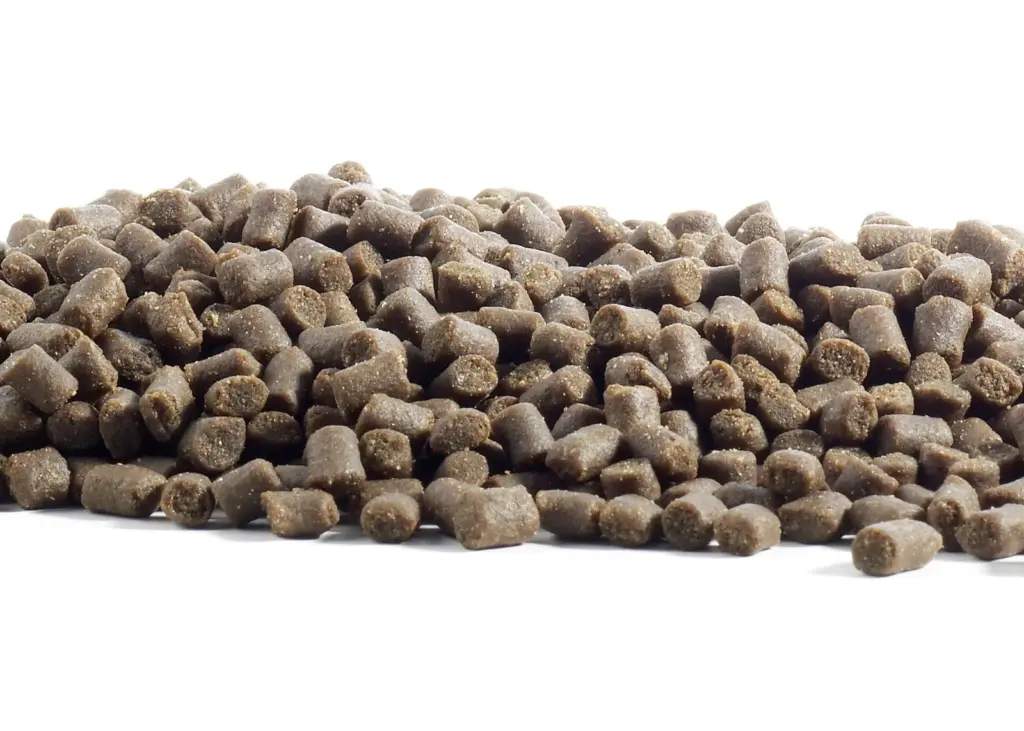
The World Wildlife Fund (WWF) is urging the Aquaculture Stewardship Council (ASC) to strengthen its proposed criteria for fish feed, which it says can have significant environmental impacts on the wild-caught fish and agricultural crops from which it is made.
Specifically, WWF called for ASC to require feed manufacturers to source wild fish from fisheries certified by the Marine Stewardship Council (MSC), which maintains the leading standard for sustainable fishing.
“With its draft feed standard, ASC has a significant opportunity to improve the way it measures and manages the environmental impacts of feed. ASC should reaffirm its support for MSC certified feed in order to protect wild fish stocks,” said Dr Aaron McNevin, director of aquaculture, WWF’s Sustainable Food programme.
This comes after a new WWF report on ocean health highlighted the need for stronger feed standards after a 49% decline in the oceans’ vertebrate populations between 1970 and 2012. According to the report, this was driven in large part by overfishing for human consumption and aquaculture.
According to a World Bank report, approximately one-fifth of all fish harvested from the oceans is used to produce fish meal and oil, most of which—about 60% of fish meal and 80% of oil—are fed to farmed fish.
When they were released starting in 2009, the farm-level ASC standards for salmon, shrimp, tilapia, abalone, trout and pangasius required that all marine ingredients in feed be sourced from MSC-certified fisheries within five years of ASC certification. In the current draft standard, ASC would allow farms another 10 years to meet this requirement.
“By requiring reduction fisheries to be MSC certified, ASC can most effectively protect biodiversity in our oceans. Feed companies and the aquaculture industry have had five years to build a sustainable, MSC certified supply of marine feed ingredients,” added Dr McNevin. “It’s time for progress, not further delay. We can’t kick this can down the road any longer.”
WWF also advised ASC to work with agriculture experts and those involved in other commodity roundtables to ensure credible criteria are developed for soy, corn, palm oil and other terrestrial crops used in feed.
Related Articles
 ICELANDIC FISHERIES EXHIBITION
 FISHERIES
 FISHERIES