



According to the Food and Agriculture Organization of the United Nations (FAO), world fish trade is generating more wealth than ever before.
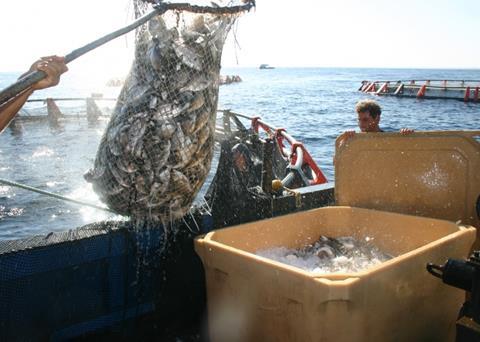
However, the organisation says that countries must help small-scale fishers and fish farmers to benefit too.
Global fishery production from wild capture fisheries and aquaculture is expected to set a new record in 2013 at 160 million tonnes, up from 157 million tonnes the previous year, while exports will reach $136 billion.
“The record trade figures reflect the strong growth in aquaculture output and the high prices for a number of species such as salmon and shrimp,” said Audun Lem, Chief of FAO’s Products, Trade and Marketing Branch. “This is underpinned by firm underlying demand for fish products from world markets.”
Aquaculture production is expected to hit about 67 million tonnes in 2012 and projections for 2013 point towards fish farmers producing 70 million tonnes.
Developing countries accounted for 61% of all fish exports by quantity and 54% by value in 2012. Their net export revenues reached $35.3 billion - higher than other agricultural products combined including rice, meat, milk, sugar and bananas.
But benefits from international trade are not always trickling down to small-scale fishing communities, even though small-scale fishers and fish farmers constitute about 90% of the sector’s global workforce, FAO said.
The Organization said that countries need to provide small-scale fishers with access to finance, insurance and market information, invest in infrastructure, strengthen small-scale producer and trader organisations, and ensure that national policies do not overlook or weaken the small-scale sector.
FAO also said that fish by-products should not be wasted – both from an economic and a nutritional point of view, as by-products often have a higher nutritional value than fillets.