



Pangasius, also called panga, basa and river cobbler, is a freshwater fish especially farmed in Vietnam. It is fast growing, cheap to produce, and during the past 20-odd years has made significant inroads into the whitefish sectors of the world’s major markets.
Sales are forecast to continue to rise and are expected to earn Vietnam producers more than $9 billion (€6.5 billion) by 2020.
The most common export product form is the IQF skinless, boneless fillet which is largely produced by hand, although automation is beginning and lines of Cretel skinning machines are now a common sight in Vietnamese fish factories.
However, Vietnamese pangasius processors are starting to look at the expanding market for convenience or value-added products in Europe, and are planning to develop these products in their own factories rather than export basic fillets to be further processed abroad.
The obvious value-added product would be a breaded stick, portion or fillet, but the crumb coatings made in Vietnam rarely meet European tastes and the oil used for pre-frying is also different. So the breaded or dusted pangasius products seen in European supermarkets are mostly produced in the importing countries.
There is another important reason for Vietnamese seafood processors not exporting breaded pangasius products – the import tariff in Europe on breaded products is between 14-19%, while the tariff on raw fillets is only about 9%. However marinated products, which are regarded as ‘fresh’ or semi-processed, have a lower import tariff.
Value-added products such as skewers with cubes of pangasius, sometimes interspersed with pieces of vegetables, also attract a lower tariff and again are of interest to Vietnamese processors.
More basic products include pangasius loins cut from the back of the fish and then tray packed in pairs and vacuum-sealed. This product has been introduced by Rahbek of Denmark. Marine Harvest (through Pieters) took up the idea and has introduced it in Belgium and the Netherlands.
Smoked pangasius is thought to have a good future and the skin-on fillets for smoking in Europe would be produced in Vietnam.
Sterk BV from Volendam in the Netherlands is already producing an ‘eel-smoked’ pangasius for the Aldi discount supermarket chain. The product is hot smoked, which some observers think is not entirely satisfactory as the structure of the fish becomes ‘too weak’.
There could be a better future for cold smoked pangasius and Tesco has just introduced dyed smoked river cobbler – its name for pangasius – fillets on its wet fish counters in the UK.
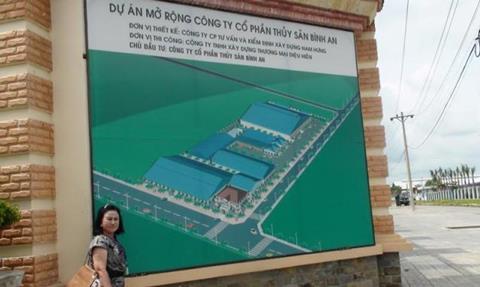
Leading Vietnamese pangasius exporter, Bianfishco, which recently opened its own research station, plans to build a large state-of-the art factory to manufacture only value-added seafood products.
Equipment being installed will be for breading, marinating, cooking, baking, pre-frying and forming, through to advanced freezing and automatic packing.
Products will include dim sum filled with pangasius, stretched torpedo shrimp and spring rolls. Pham Thi Dieu Hien, president and CEO of Bianfishco has hired a product development specialist from Agrex Saigon, the leading Vietnamese processor for value-added products and plans to bring in a leading chef from France to develop totally new ideas.
Madame Hien will call her range of value-added products: ‘Bianfishco Delights’.