




Using data to improve oyster spat collection
Oyster farmers in south Brittany have installed a high-frequency multi-sensing buoy to better understand spat settlement of the flat oyster, a key resource in the area.
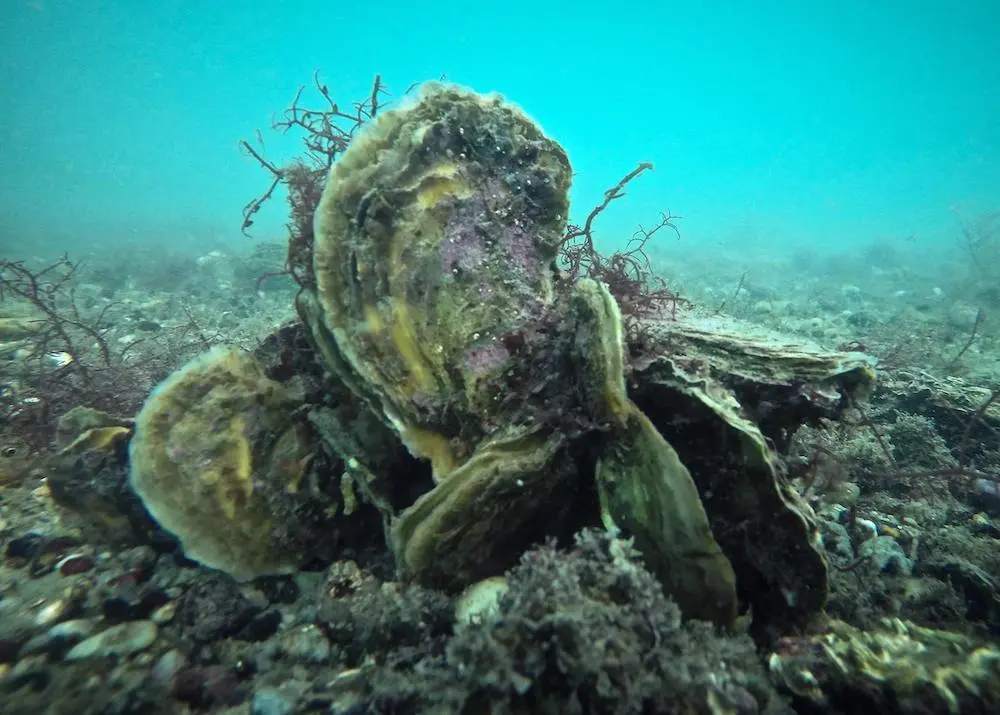
Oyster larvae settle by attaching themselves to a solid surface, where they are known as ‘spat’. Wild oyster stocks, the main source of spat for farming, are increasingly threatened by climate change and human action and oyster spawning is becoming less predictable, making it harder to collect spat for cultivation.
In order to gain a better understanding of factors which might be affecting spat settlement the Regional Shellfish Farming Committee of South Brittany installed a multi-sensing buoy in September 2018 in an oyster farm in Quiberon Bay. The sensor measures the temperature and salinity of water every 20 minutes, and sends the data to an online platform twice a day for use by the farming community and researchers.
Thirty months of data collection have shown that the salinity of the sea falls after rain, when river flow increases. This information is being used by regional projects, such as FOREVER (Flat Oyster Recruitment and Growth), a three-year project funded under EMFF Aquaculture Innovation call to re-establish flat oyster stocks in Brittany.
Work is ongoing by all stakeholders to determine what process and data collection will best serve the aims of the project in the longer term. The location of the measurement devices is particularly important, to ensure the correct collection of relevant data, while minimising the impact on the environment.
Related Articles
 AQUACULTURE
 SEAFOOD
 AQUACULTURE