



US proposes cuts in fisheries subsidies
The United States has sent the World Trade Organization (WTO) a proposal to cut the national fisheries subsidies that the US says contribute to overfishing.
The proposal calls for a broad ban on subsidies to fisheries that capture wild ocean stock and that contribute to the overcapacity of the world’s fishing fleets and the depletion of many commercial fish stocks.
It would cover subsidies in both the construction and upkeep of fishing vessels and costs associated with allowing vessels to stay out fishing longer than would be economic, according to the Office of the U.S. Trade Representative (USTR).
Also banned would be subsidies that endanger marine ecosystems and distort trade.
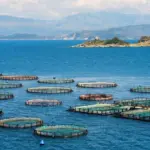
Under the US proposal, such activities as capturing young fish to be raised in pens or farms, or harvesting unpenned ocean fish to use as feed would be prohibited.
In an earlier paper submitted to the WTO, USTR said subsidy restrictions should help reduce illegal, unreported and unregulated fishing.
“Many WTO members want an agreement on fisheries that is strong, simple and enforceable. The WTO faces an historic opportunity to resolve a serious problem,” U.S. Trade Representative Susan Schwab said on 21 March.
The US proposal states that more work needs to be done to develop fisheries management criteria that address problems developing countries may face. It also calls for procedures to ensure that member countries receive fisheries management information of interest to them while avoiding the burden of required lengthy information submissions.
Global subsidy levels are estimated at between $10 billion and $15 billion annually, or approximately 20 to 25 per cent of the $56 billion annual trade in fish.
Under the US. proposal, governments still would be allowed to subsidise boat safety improvements, scrap vessels or otherwise make them unavailable for fishing and support the development of marine resources because those activities do not contribute to overfishing, USTR says.
The proposed cuts would not affect the replacement of fishing capacity following a natural disaster or apply to countries with small fisheries subsidy programs that do not contribute to overcapacity or overfishing, USTR says.
Also allowed would be government assistance for controlling fishing operators who “race” to fish instead of taking the time to fish selectively.
Related Articles
 FISHERIES
 FISHERIES
 WORLD FISHING EVENTS