


Audubon Alaska, the state office of the National Audubon Society (BirdLife in the US), has welcomed the decision of the North Pacific Fishery Management Council (NPFMC) to prevent the expansion of industrial fishing into all US waters north of the Bering Strait for the foreseeable future.
The NPFMC has acted to limit pressure on ocean ecosystems, already under stress from global warming.
With no large-scale commercial fishing in the US Arctic at present, this decision establishes one of the most far-reaching precautionary measures in fisheries management history. Audubon was part of a consortium of groups, including Oceana, Ocean Conservancy, the Pew Environment Group, local Arctic communities and fishermen, which lobbied for this result.
The groups were concerned about the impact of commercial fishing on seabirds and other Arctic wildlife due to incidental take, reduced prey availability, and habitat disturbance. Of particular concern are activities such as bottom trawling, and its potential disruption of prey species of bottom-feeding seabirds such as Spectacled Eider.
“Much of the Arctic food web is linked to a handful of fish species, such as the Arctic Cod,” said Stan Senner, executive director of Audubon Alaska. “We don't want to add the effects of commercial fisheries while the entire ecosystem is changing due to global warming,"
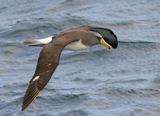
Meanwhile, the United Nations Food and Agriculture Organisation (FAO) has agreed a set of guidelines to reduce the accidental deaths of seabirds in fisheries. The new guidelines extend the scope of the FAO’s seabird action plan from just longline fisheries, to also include what countries can and should do to reduce bycatch of seabirds in trawling gear and gill-nets.
The scope has also been extended from fishing nations to the Regional Fisheries Management Organisations (RFMOs) which govern fisheries on the high seas.
New standards are set for research and data collection, education, and observer programmes.
The new guidelines have special relevance for the EU which is committed to produce a Community Plan of Action this year for reducing seabird bycatch in domestic waters and wherever EC-flagged vessels operate overseas.