





Unmasking illegal fishing activities
At the fourth Global Fisheries Enforcement Training Workshop in Costa Rica delegates were told that analysis of fisheries trade data provides a cost effective and helpful method for tackling illegal unreported and unregulated (IUU) fishing.
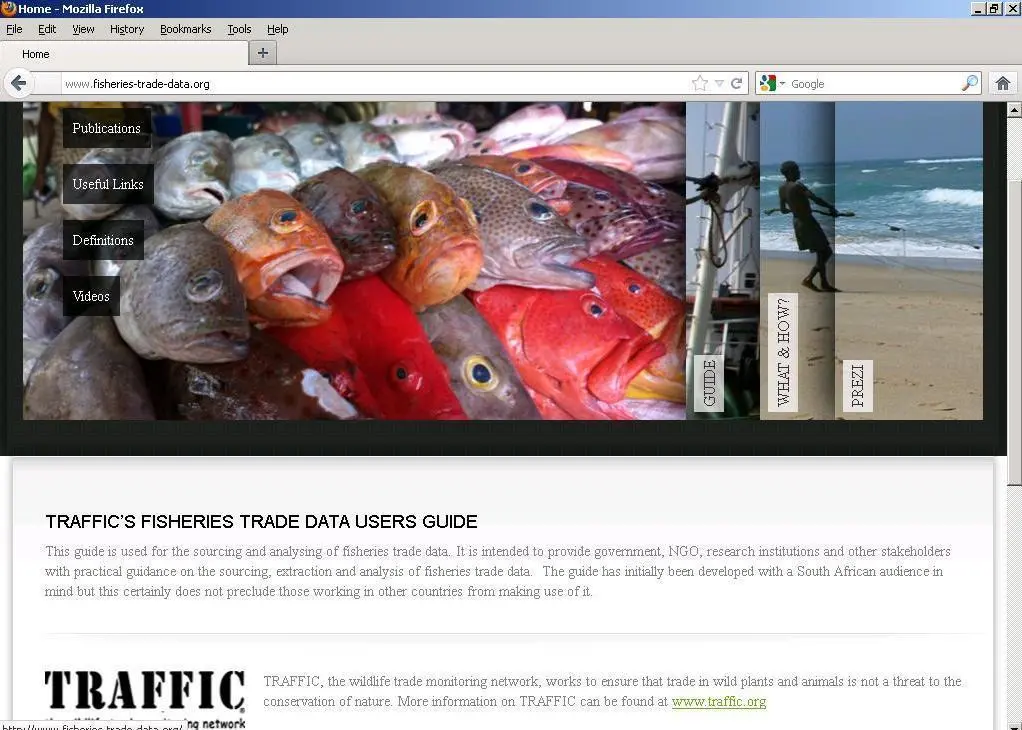
To this end, TRAFFIC, the wildlife trade monitoring network, has launched a newly designed website which provides information on sourcing, extraction and analysis of IUU trade data.
Markus Burgener, senior programme officer with TRAFFIC, said: “This Fisheries Trade data website aims to show enforcement officers where to look among trade statistics for evidence of criminal activity, the devil is in the detail.”
This detail includes the dynamics of the trade in products sourced from IUU fisheries, independent verification of the extent of a known IUU fishing problem and even helps reveal new areas of concern. It can also be used to measure the effectiveness of an existing or market related measure.
Mr Burgener said that there are a number of examples of activities that the website had uncovered so far. “Our analysis of abalone trade data provides estimates of poaching volumes and these showed that illegal trade continued throughout the period that the species was listed on CITES. More detailed analysis would have enabled direct comparisons of CITES data with customs trade data,” he told World Fishing & Aquaculture.
The website has been made possible by support from the UK Government’s Department for Environment, Food and Rural Affairs (Defra) and the Norwegian Government’s NORAD.
TRAFFIC is made up of steering group composed of members of the network’s partner organisations, WWF and IUCN.
Related Articles
 FISHERIES
 FISHERIES
 WORLD FISHING EVENTS