




Under-reporting in Caribbean fisheries
Marine fisheries catches have been drastically under-reported in the Turks and Caicos Islands in the Caribbean, threatening the marine environment and livelihoods of the local community, a new study says.
The study, published in the open-access journal Frontiers in Marine Science, reveals that actual catches on the islands were an alarming 2.8 times, or 86% higher than that reported to the FAO.
Lead researcher Aylin Ulman, said: “The Department of Environment and Maritime Affairs (DEMA) has done a great job of monitoring fish sold to the country’s fish plants.”
“However, it seems they have not always had enough staff to monitor seafood being sold or given to locals and tourists, whether that be at the dock, in shops, or in restaurants.”
Fishing has historically been the main industry in the Turks and Caicos Islands and in some areas up to 75% of locals are involved in the fishing industry. But the rise in tourism is creating more demand for locally caught seafood and is placing increasing pressure on local marine life.
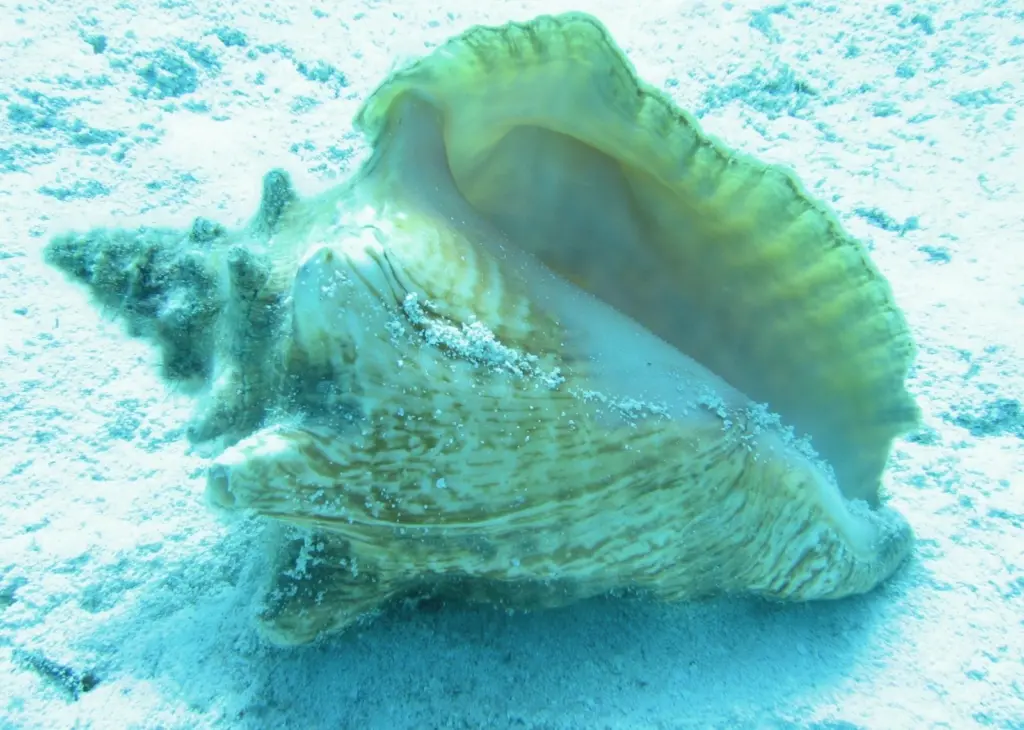
The islands operate small-scale fisheries for queen conch, Caribbean spiny lobster and finfish.
The local government is required to report all catches to the Food and Agricultural Organization (FAO) to be able to trade with signatory nations of CITES (Convention on International Trade in Endangered Species of Wild Fauna and Flora) and these must be shown to not threaten the survival of local stocks.
But the study said that data passed on to the FAO is incorrect because they only account for commercial catches that will be exported and do not include seafood caught and consumed by locals and tourists on the islands, putting future stocks at risk.
Reported catches have been used to put regulations in place for sustainable catch limits, but these have not been met, leading to the over-exploitation of marine life. In fact, local consumption of conch is close to the total number allowed to be caught under these ‘sustainable’ limits, and this is without taking into account the number of conch that are exported, which is almost equal to local consumption.
As a result of this study, the authors hope that future catch limits will be based on total seafood catches from all fishery sectors.
Related Articles
 PROCESSING & REFRIGERATION
 FISHERIES
 FISHERIES