



Tuna fishing in the Western and Central Pacific
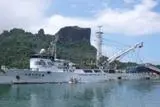
The new measures are due for implementation this year after members of the Western and Central Pacific Fisheries Commission (WCPFC) approved the new initiative at the Commission’s December 2008 annual meeting in Busan, South Korea.
The Commission oversees the management of fisheries over an area that produces more than half the annual global tuna catch. In 2007, some 2.39 million metric tons (mt) of tuna were caught in the Western and Central Pacific Fisheries (WCPF) Convention area. The tuna catch was the highest on record, according to the Commission, showing an increase of 120,000mt over the 2006 record catch of 2.27 million mt.
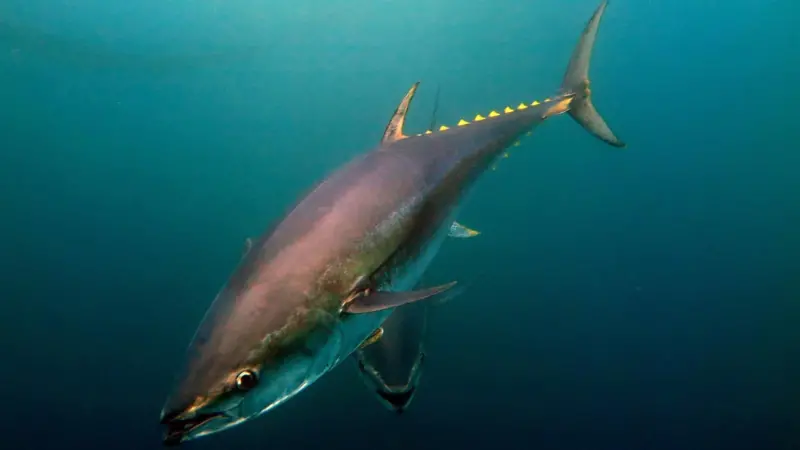
“We are concerned with bigeye output. Currently bigeye mortality exceeds sustainability according to scientific research,” commented WCPFC executive director, Andrew Wright. “Skipjack we monitor but we think skipjack can sustain the current fishing level or even an increase, but with a caveat about the environmental impact as bigeye and yellowfin tuna are caught along with skipjack.”
In 2007 the annual tuna catch in the WCPF Convention area represented 84% of the total tuna catch in the Pacific Ocean, according to WCPFC, and 55% of the total global tuna catch.
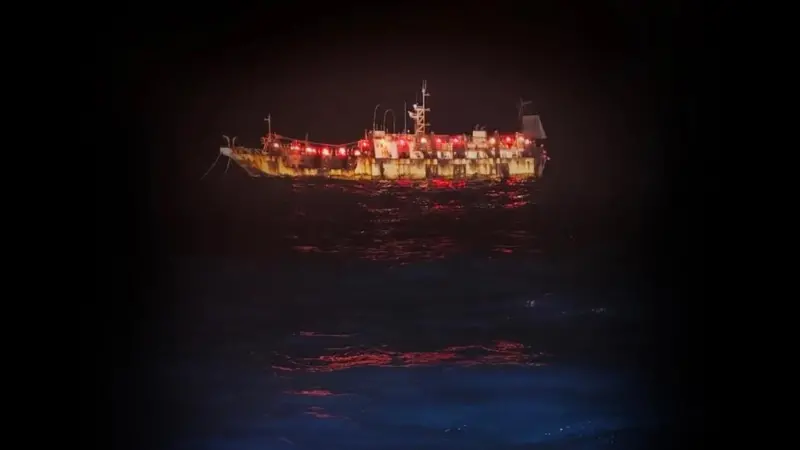
Purse seine fishing is the fastest growing tuna fishery in the Western and Central Pacific accounting for 73% of the total tuna catch in 2007, Mr Wright noted, a record tonnage for purse seine fishing vessels operating in the area.
Longline fishing is the next largest method of catching tuna accounting for 10% of all tuna caught in the Western and Central Pacific followed by pole and line fishing which takes 9% of the catch.
The remaining 8% of the tuna catch in the WCPF area is taken with troll gear and a variety of artisanal fishing gears, mostly in eastern Indonesia and the Philippines.
The development of sustainable tuna fisheries requires that sufficient tuna are left to breed and maintain the required level of stocks after the annual catch is taken. To prevent overfishing of bigeye occurring, for example, the WCPFC’s Scientific Committee has recommended a 30% reduction in the bigeye catch from average levels recorded between 2003 and 2006. As longline fishing is the main method of catching bigeye tuna in the Pacific, reducing the bigeye catch requires a reduction in longline fishing vessel numbers or reducing the size of catch that each longliner is entitled to take.
The Scientific Committee also has recommended a 10% reduction in the yellowfin tuna catch from average levels between 2001 and 2004 to prevent overfishing. Although many yellowfin are caught by purse seine vessels in the western Pacific, most yellowfin are thought to be caught by local fishermen using artisanal fishing methods in Indonesian and Philippine territorial waters.
The North Pacific albacore tuna catch also needs to be reduced ensure sustainable fishing in future. However, capture levels for the South Pacific albacore tuna are sustainable at present with a recent assessment of stocks even suggesting that some increase in the annual catch level might be possible.
Another species currently not threatened is the Pacific bluefin tuna. Stocks, however, are likely to fall below a sustainable level if any increase occurs in the current catch and the Commission is keen that no increase in the Pacific blue fin catch should be permitted.
Meanwhile, the skipjack tuna is the most important tuna fish in the Pacific in terms of the tonnage caught, accounting for almost 60% of the total annual tuna catch in the WCPF Convention area. Although current skipjack capture levels are sustainable according to a scientific assessment of stocks in 2008, WCPFC members are stepping up monitoring and enforcement of tuna fish catch regulations to prevent any future threat to sustainable fishing of skipjack and other tuna species.
“There is a 2.4 million mt annual tuna fish catch in our zone and 1.5 million mt of this is skipjack,” Mr Wright said. “Japanese, Chinese, Taiwanese and US fishing boats are active. Also, Pacific island nations aspire to develop their own fishing fleets through foreign investment and joint ventures which is a challenge to sustainability.”
The Western and Central Pacific Fisheries Commission has recently upgraded its tuna fisheries monitoring capability and continues to promote efforts to improve fisheries regulations enforcement.
Enforcement of tuna catch regulations presents a major challenge due to the large maritime area that WCPFC covers. Outside support includes the Australia Pacific Patrol Boat Programme under which the Australian government has provided patrol boats and technical support for the past two decades to help enforce tuna catch regulations for Pacific island countries lacking the resources to do so.
“We have adopted high seas inspection and boarding as well. There have been six boarding incidents so far,” Mr Wright said. “There are 50 patrol boats under the scheme. Also, we are deploying the regional observer programme on boats at sea. There is 20% purse seine vessel coverage at present. It will be 100% in August and September 2009 and then 100% observer coverage starting in from 2010.”
“There will be 400 to 450 observers for purse seine vessels for 100% observer coverage in 2010. The observers will be professionally trained. There is an existing observer programme in this region.”
Meanwhile, Mr Wright is optimistic that a sustainable catch can be achieved in future, assuming that tuna catch monitoring and regulation enforcement can be achieved.
“I am optimistic about tuna fisheries in the Pacific in future. The challenges are mainly that we do not get timely fish capture data. It’s not a viable situation,” he said. “We hope that electronic level reporting will reflect status of the tuna stocks. Also, I am concerned that we maintain and respond to scientific advice. All tuna commissions are challenged by this as there are many commercial interests.”
“Something has to give somewhere, especially as Pacific island states want to get tuna fishing fleets. Some fleets we are comfortable with and they behave responsibly. Then there are the others. We still need to develop accountability. When you operate in a consensus environment it is difficult to get a member’s vessel black listed.”