



Trawler of the future
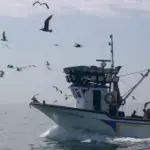
Rolls-Royce has set out to design the trawler of the future.
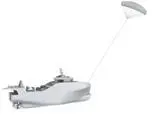
Last year, a project with SINTEF Fiskeri og Havbruk AS was started with the aim of developing a new and improved technology for the trawl fleet to reduce fuel consumption, reduce damage to fish when taking on board and reduce personal injury on the trawl deck.
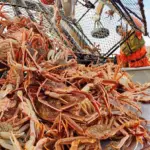
The technology to haul the trawl bag onboard a trawler has remained unchanged since the trawl slip was introduced 45 years ago. Fish are taken from a weightless environment in the sea to the bottom of the trawl bag and exposed to tremendous pressure when the trawl bag is pulled up on the steep slip. This process damages fish in parts of the trawl bag by crushing them and tainting the delicate fish meat.
The trawl deck is also a dangerous workplace. Heavy equipment that requires manual operation on a movable working platform is performed on the trawl deck, which is exposed to incoming waves.
The first stage of the project (sub-project one; hydrodynamics) looked at generating the necessary towing power with as little output/consumption as possible. Three conditions proved to contribute to energy saving:
• Propulsion system with improved efficiency
• New hull form for reduced wave resistance and improved steering characteristics
• Reduced rudder angles in all operations
Sub-project two looked at machinery; two conditions proved to contribute to energy saving:
• Optimal machinery configuration
• ORC heat recovery system convert exhaust heat to electrical power
With scarce fish resources available, preserving the fish stock quality from catching the fish to freezing becomes more and more important. In sub-project three; tool handling, the focus has been on:
• Getting the catch as gently as possible on board
• Further developing the technology of movable trawl blocks
• How to improve safety and the working environment for on deck personnel
“We have run several model tests and the results are positive. The tank tests verify several of the qualities that we were looking for when we started this project. We see the possibility to save fuel oil by optimising”, says design manager in ship technology – fish, Einar Vegsund.
Modern fishing vessels are fitted with advanced equipment for vessel operation, tool handling, preparing of fish stock and searching for fish. The ship owners represent the users and they see the need for changes through practical testing under variable conditions. Eight ship owners have made suggestions to solutions and they have considered proposed solutions and operating skills.
UTRC (United Technologies Research Centre) is also involved in the project developing ORC-technology for fishing vessels. “The conceptual changes are so great that a small participant in a relative conservative industry would not go down this road alone,” says Einar Vegsund.
Related Articles
 FISHING TECHNOLOGY
 NEW VESSELS
 FISHING TECHNOLOGY