


Tony Burke signs off on super trawler
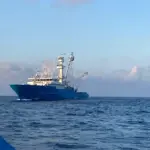
Tony Burke, Australian Minister for the Environment, has admitted he does not have the legal power to block the super trawler ‘Margiris’ from fishing in Australian waters.
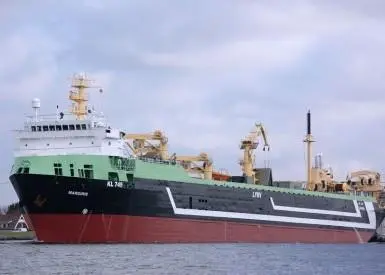
However, Mr Burke said on ABC’s Q&A programme, he does have the power to impose restrictions on the vessel, based on the impact that it can have on its bycatch, including dolphins and seals.
Mr Burke said that he has signed off on the vessel fishing in Australian waters, but the restrictions he has imposed will mean that the super trawler will have no more impact on the environment than if it were a small fishing vessel.
The example he gave was that if the vessel were to catch a dolphin, it would have to raise the net and travel 50 nautical miles before it could continue fishing.
Mr Burke said that the restrictions would be enforced by having an observer present at all times, a camera in the net, and daily reporting will be required. This information will also be publically reported.
Other rules include that in the event of three or more seal deaths in three consecutive shots or more than 10 seal deaths within a 24 hour period, the operator must suspend fishing, consult with an AFMA observer onboard and review the effectiveness of mitigation measures and not recommence fishing within 50 nautical miles of the event.
There are also provisions to exclude the vessel from Australian sea lion hunting grounds;
Seal and seabird management plans and gear handling and net setting rules are also required to be in place before trawling begins.
In a statement Mr Burke said, “I am using my powers to amend accreditation of the fishery in a way that ensures if the super trawler cannot adhere to the conditions it will be liable to prosecution under the EPBC Act.
“The conditions I have developed will require the super trawler to adopt worlds-best practice methods to avoid listed species, particularly seals, dolphins and sea birds being killed or injured during its trawling operations,” Mr Burke said.
The conditions are being imposed for an initial two week period to give Seafish Tasmania (the company that owns the super trawler) an opportunity to comment on the conditions.
When asked during the Q&A session how it would be economically viable for such a large vessel to fish like a small vessel, Mr Burke said, “Well, whether it’s economical or not after they see the conditions, that’s a decision for them, not a decision for me.”
With regards to the amount of fish that the super trawler can catch, Mr Burke said that the catch limit had already been imposed on the fishery. Seafish Tasmania owns the right to catch a particular volume of fish, so in terms of the fish that the vessel will be targeting, that part of it has already been measured as sustainable.
Seafish Tasmania director Gerry Geen has also said in a statement that the 143m vessel will be renamed Abel Tasman.
Related Articles
 FISHERIES
 FISHERIES
 WORLD FISHING EVENTS