



The UK’s Marine Biological Association has highlighted long term changes across the UK marine systems, the subject of new paper published by the Royal Society.
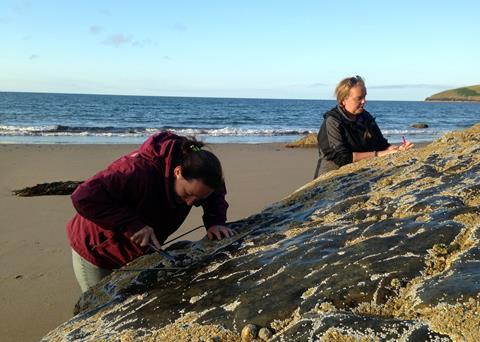
The UK has the longest running sustained biological records of ecosystems dating back to the 1900s and the new paper traces the history of these unique records.
Marine biodiversity across the UK currently faces unprecedented threats from climate change, ocean acidification, exploitation of commercial fish stocks and pollution.
Lead author, Dr Nova Mieszkowska, pointed out how the past holds the key to the future when it comes to understanding the ways that human activities damage marine life.
She said: “Observations of marine life dating back over a century are key to detecting how the impacts of our society have dramatically, and in some cases irrevocably, changed our coastal ecosystems and the life that they support.”
Climate change has already driven many species towards cooler seas in the north which is altering the structure and healthy functioning of ecosystems.
"Commercial fish stocks are declining due to overfishing, and time-series records allow us to separate out the impacts of different pressures on valuable food resources and species that maintain healthy systems. These changes are affecting plankton, fish, kelp forests and rocky shore communities, raising major concerns for all marine ecosystems and the life that they support," Dr Mieszkowska added.
The researchers hope that this research will help to develop models to predict future impacts of climate change, fishing and ocean acidification.