





UN high seas treaty ratified
A groundbreaking global treaty to protect marine biodiversity on the high seas has officially reached the threshold for entry into force, marking a major milestone in international environmental cooperation.
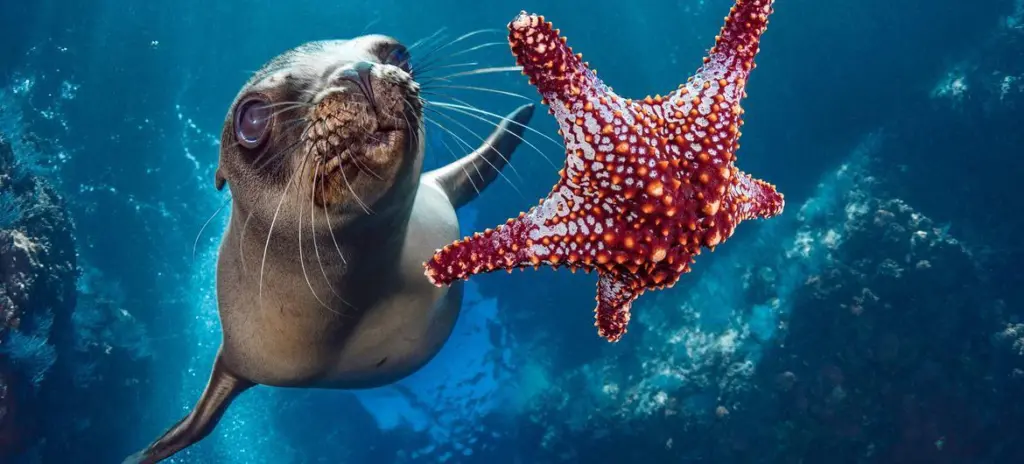
The treaty, formally known as the ‘Agreement under the United Nations Convention on the Law of the Sea on the Conservation and Sustainable Use of Marine Biological Diversity of Areas beyond National Jurisdiction (BBNJ agreement)’, will come into effect on 17 January 2026, following its 60th ratification on 19 September by Morocco and Sierra Leone.
UN Secretary-General António Guterres hailed the development as a ‘historic achievement for the ocean and for multilateralism’. “In two years, states have turned commitment into action – proving what is possible when nations unite for the common good,” he said.
“As we confront the triple planetary crisis of climate change, biodiversity loss and pollution, this agreement is a lifeline for the ocean and humanity.”
Adopted by UN member states in June 2023 after nearly 20 years of negotiations, the treaty, also referred to as the ‘high seas treaty’, establishes legally binding rules for protecting marine life in areas beyond national jurisdiction, which cover nearly two-thirds of the world’s oceans.
The agreement enables the creation of marine protected areas, promotes fair access to marine genetic resources, and strengthens scientific collaboration and capacity building.
UN Environment Programme executive director Inger Andersen also celebrated the milestone. “Our ocean is the foundation of our very existence,” she said. “Today we took an important step forward to save our ocean, and to save our future.”
Guterres urged remaining countries to ratify the treaty and support its swift implementation. “The ocean’s health is humanity’s health,” he said.
Related Articles
 SUSTAINABILITY
 FISHING TECHNOLOGY
 FISHERIES