

UN endorsement for urchin fishery, kelp restoration project
A regenerative fishery and kelp restoration project in the Tromsø area of Northern Norway, led by ocean technology and seafood company Ava Ocean AS, has received official endorsement from the United Nations Decade of Ocean Science for Sustainable Development (2021-2030). Being endorsed under the Marine Life 2030 action stream, the Ocean Green project is among a select group of leading global initiatives recognised for tackling critical ocean challenges.
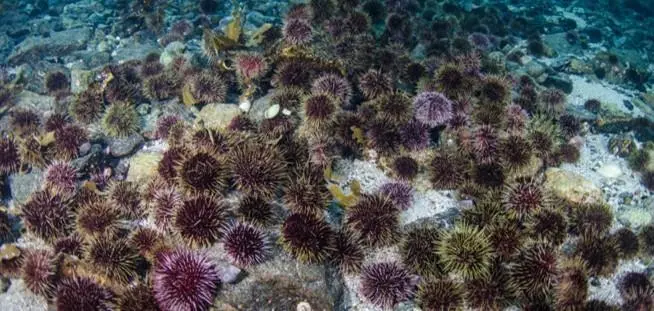
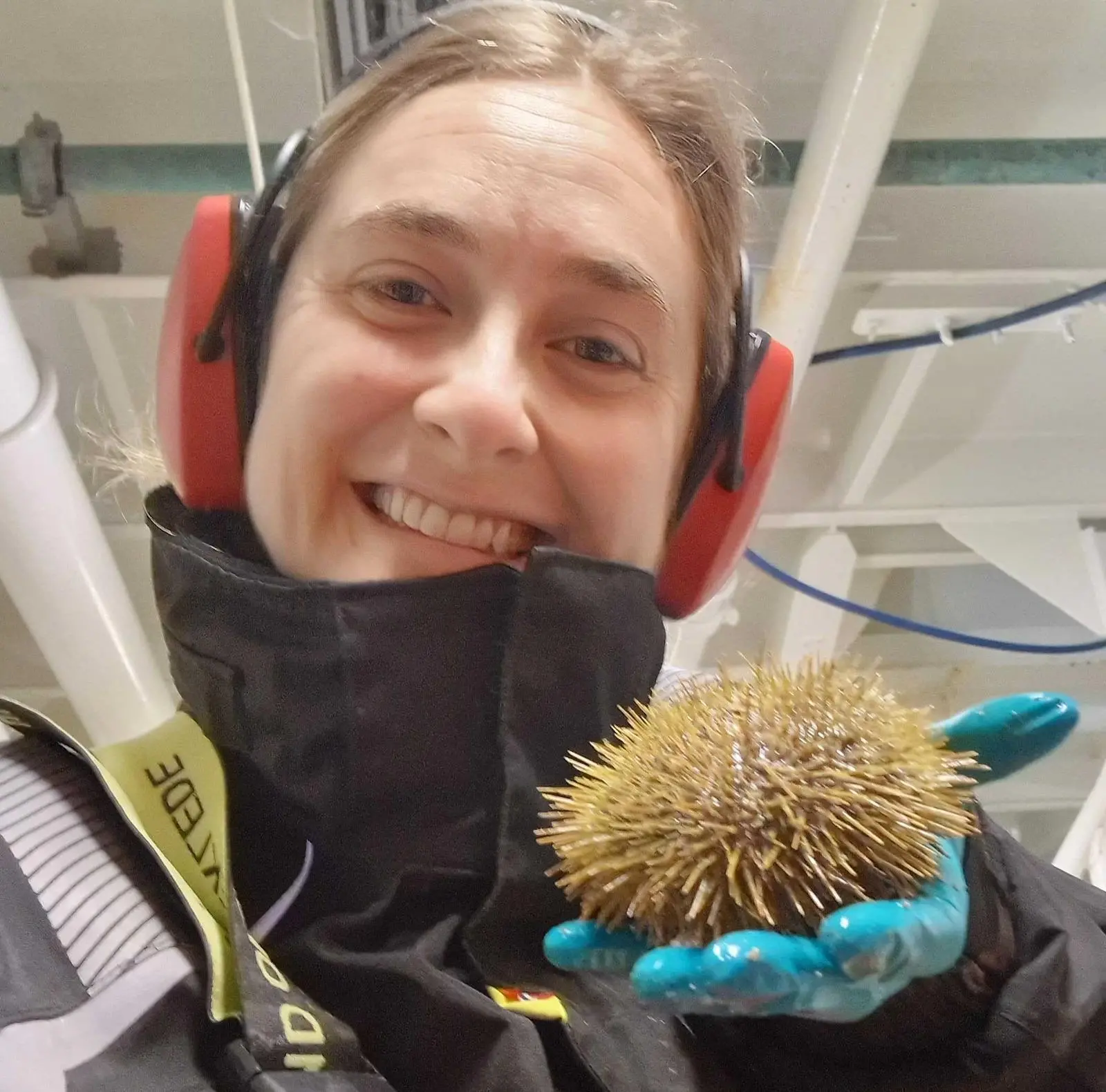
Ocean Green is tackling the impact of sea urchin barrens in Northern Norway – areas where overpopulations of sea urchins have destroyed vital kelp forests and unbalanced ecosystems. By using Ava Ocean’s innovative seabed harvesting technology for efficient harvesting or urchins, the project aims to restore these crucial ecosystems while also creating a sustainable economic value chain from the harvested urchins.
“Receiving this recognition from the UN means an incredible amount to us and confirms that what we are trying to accomplish in the Ocean Green project is of great importance and interest beyond just what we are doing in Tromsø. There is an urgent need globally for scalable solutions to combat sea urchin deserts and restore these vital ecosystems,” said Dagny-Elise Anastassiou, Ocean Green Project Manager and Chief Impact Officer at Ava Ocean. “It will be a total game-changer in the ocean restoration space if we manage to revitalise the kelp forest by developing a sustainable and regenerative fishery of these sea urchins, which will benefit both nature and local communities.”
“We are thrilled to endorse the Ocean Green project as part of the Ocean Decade,” said Alison Clausen, Deputy Coordinator of the Ocean Decade. “By combining ecosystem restoration, innovative technologies, and community-driven solutions for kelp forest restoration, this initiative exemplifies the holistic approach needed to tackle pressing ocean challenges. We look forward to seeing its impact inspire similar efforts worldwide.”
The three-year project, which commenced early 2024, aims to demonstrate a scalable and replicable model for sea urchin barren restoration, inspiring similar initiatives globally.
Part funded by a NOK 47 million grant from Norway’s Green Platform, the Ocean Green project is a collaborative endeavour, bringing together a consortium of industry, research institutions, and local communities, including NIBIO, NIVA, Akvaplan Niva, Hofseth Biocare, and Across Nature. The multi-sector approach is vital to tackling the complex challenge of restoring kelp ecosystems and to create long-term, economically viable solutions.
It is estimated that Norway has lost more than 80% of its kelp forests due to invasive urchin populations in the past decade. Kelp forests are vital parts of coastal ecosystems, providing nursery grounds for all kinds of fish, sequestering carbon, and protecting coastlines from erosion.
The project aims to create a sustainable, circular economy by developing commercially viable products from these often-overlooked creatures. This innovative approach addresses environmental issues while creating new economic opportunities for local communities.
Ava Ocean’s patented, non-invasive, seabed harvesting technology has already been successful in Arctic scallop fishing.
The UN Decade of Ocean Science for Sustainable Development (2021-2030) is a global initiative aiming to foster scientific collaboration and promoting the sustainable management of the oceans. It focuses on generating transformative ocean science solutions for sustainable development, connecting people and the ocean.
Marine Life 2030 aims to establish a globally coordinated system to deliver actionable, transdisciplinary knowledge of ocean life to those who need it, promoting human well-being, sustainable development, and ocean conservation.