



Sustainability renewal
The Indonesian government and Marine Stewardship Council (MSC) have signed an agreement aimed at moving the country towards a sustainable blue economy.
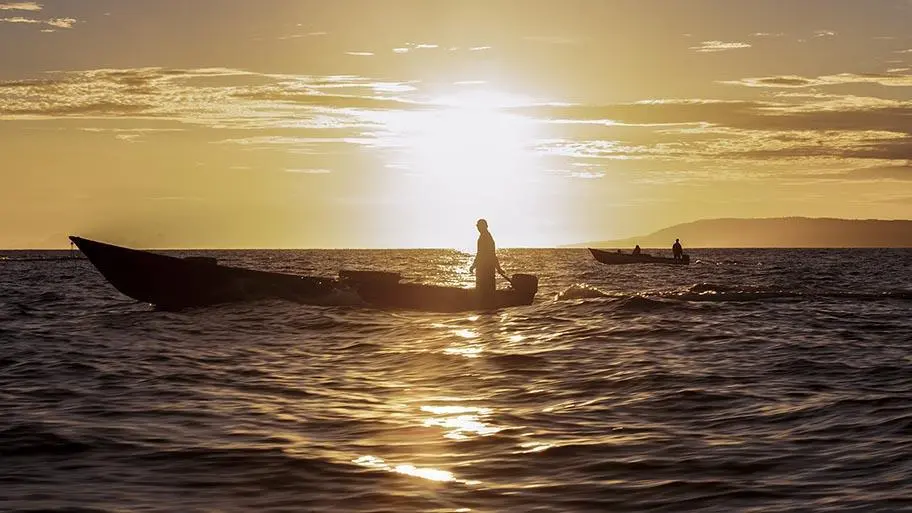
Indonesia is the world’s second biggest fish producer with an industry worth around US$27 billion. As catch volumes increase, however, new strategies are required.
“As a centre of world marine biodiversity, Indonesia’s fisheries management is of vital importance to stocks and waters, but also for domestic food security and business exports,” said Secretary General of the Ministry of Marine Affairs and Fisheries (MMAF), Antam Novambar.
The MMAF and the MSC signed their first memorandum of understanding in 2019 when Indonesia had one certified sustainable tuna fishery. Since then, two more have been added.
As part of the Fish For Good project, a further eleven fisheries in fishery improvement projects have been pre-assessed against the Fisheries Standard. Eight fisheries have received recognition as part of the In Transition to MSC programme and 46 fish processing units have received MSC Chain of Custody certificates.
This latest agreement will build on the existing goals for 2025 which include improved management of fisheries, with better systems for data collection and monitoring.
The MSC will also support the improved understanding of stakeholders, fishers, government, scientists and local businesses.
Related Articles
 FISHERIES
 FISHERIES
 AQUACULTURE