


Skippers join bluefin project
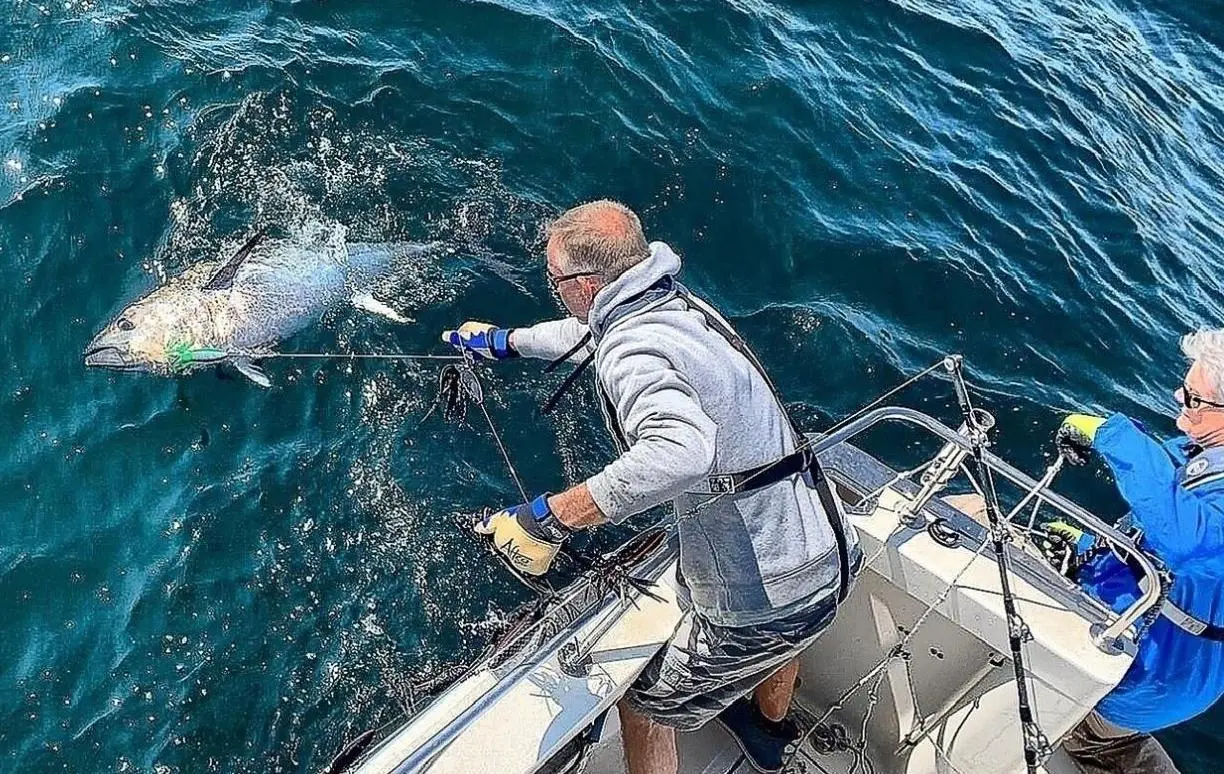
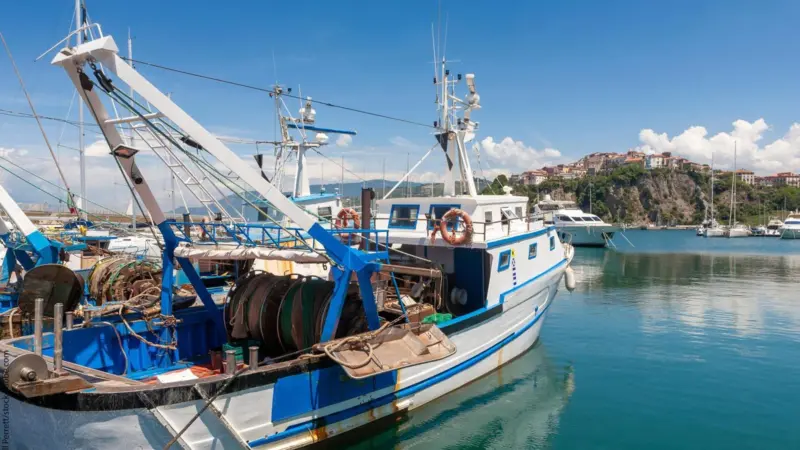
Twenty-eight skippers and their crew from fishing ports across southwest and southern England have started their first voyage of the 2022 season to catch, tag and release Atlantic bluefin tuna.
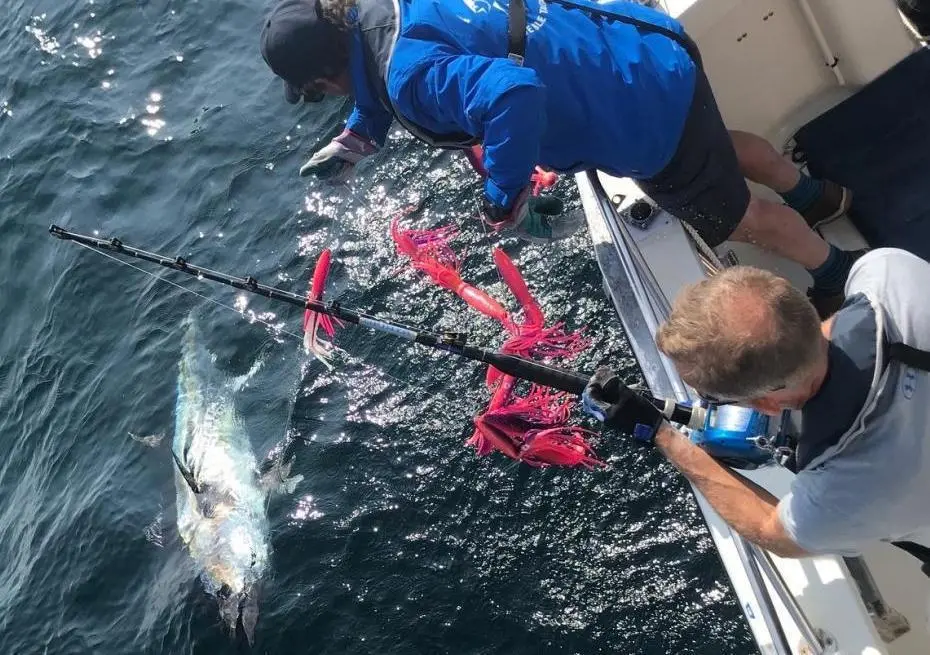
The skippers are taking part in the scientific “catch, tag and release” (CHART) programme which aims to provide important scientific data to understand and manage the fish, while benefiting coastal communities.
After a successful pilot in 2021, the programme has received funding for another year in 2022 and offers an opportunity for recreational anglers to legally encounter these ocean giants.
CHART is being funded by the UK government’s Department for Environment, Food and Rural Affairs (Defra).
Bluefin tuna are known for being amongst the biggest, fastest and most valuable fish in the sea. Once a common sight, they largely disappeared from UK waters in the 1960s, likely as a result of population decline and changes in the availability of their preferred prey.
Defra’s Centre for Environment, Fisheries and Aquaculture Science (Cefas) explained that in recent years, the number of reported sightings of these tuna in UK waters has been increasing, which has led to a growing interest in the species from the scientific community, recreational fishing groups, and the commercial fishing sector.
Despite historic evidence of captures around the UK, relatively little detail is known of their day-to-day movements and behaviour, for example how long they stay in UK waters and where they go when they leave the coastal environment, Cefas said.
The data collected by CHART will contribute not only to improving understanding of bluefin in English waters but will also be supplied to the International Commission for the Conservation of Atlantic Tunas (ICCAT).
UK Environment Secretary George Eustice said the return of Atlantic bluefin tuna to UK waters is welcome news, and it is important to get the data to properly understand this through a catch, tag, and release programme.
“We are backing an expanded scheme this year and its findings will help inform the future management of this highly valued species, in line with our commitment to making sure our marine environment is protected,” he said.
Cefas Senior Fisheries Scientist Sophy Phillips confirmed that scientific research and citizen science projects have provided evidence that Atlantic bluefin are returning to UK waters in increasing numbers during the summer months, but that not enough is understood about the predators.
“CHART offers the potential to fill gaps in our knowledge of their distribution, movements, behaviour, numbers, and demographics. Training vessel skippers and their crew in scientific techniques so that they can tag the Atlantic bluefin tuna, as well as collect data on their size, fishing effort and sightings will enable us to develop a clearer picture of Atlantic bluefin tuna in English waters.
“With a bigger fleet in 2022, and with the experience we gained with the CHART fleet last year, we are looking forward to making big strides and building successfully on the dataset that was collected in CHART 2021,” Phillips said.
In its pilot year, the CHART programme tagged 704 tuna; measured 727 tuna; undertook 421 fishing trips, with 1,069 paying anglers on board, representing a total of 2,881 hours of fishing effort.
This year’s 28 skippers were selected by Cefas and have joined forces with a team of observers and scientists, and other organisations including Defra, the Marine Management Organisation (MMO), Bluefin Tuna UK, and Natural England.