



Seafood alliance urges accelerated human rights, environmental safeguards across supply chains
In the wake of new investigations uncovering forced labour in the seafood sector in India, China, and North Korea, a leading industry group is urging supermarkets, restaurants and other businesses to accelerate efforts to eradicate human and labour rights abuses from their supply chains.
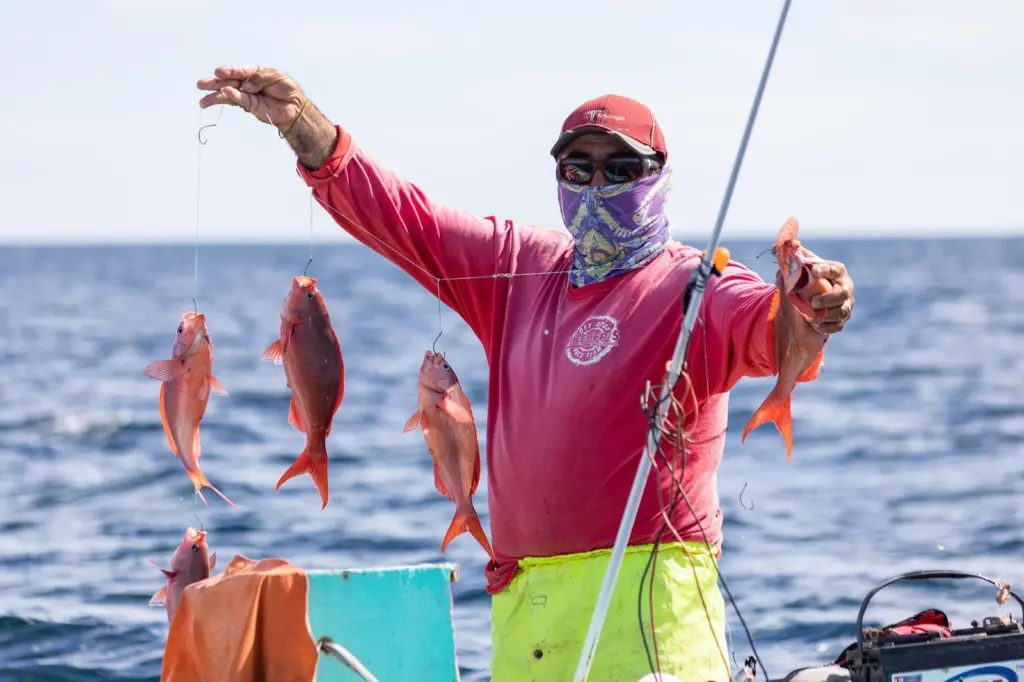
To aid companies in initiating or expediting their efforts, the Conservation Alliance for Seafood Solutions has introduced a new set of guidelines, measures and resources to address the well-being of people and the planet.
Released in advance of Seafood Expo Global in Barcelona (23-25 April 2024), The Guidance for Companies on Environmentally and Socially Responsible Seafood marks the first time that the 16-year-old alliance is calling on the industry to prioritise the “human factor” across its supply chains, including ensuring fair wages, safe and humane working conditions, and equitable opportunities for workers.
“The latest human and labour rights investigations confirm that the industry is facing a sea change,” said Ryan Bigelow, Project Director for the alliance. “While progress is being made, it’s clear that it’s time for the industry to meet this issue with the urgency it deserves. Prioritising human rights alongside conservation is not just the right thing to do; it’s the best thing companies can do to future-proof their businesses from consumer backlash and reputational damage.”
Bigelow insisted that companies of all sizes – from mass market retailers to family-owned sushi restaurants – have the power to apply pressure on suppliers, spur reforms, and create new markets, models and supply chains that safeguard workers and the environment.
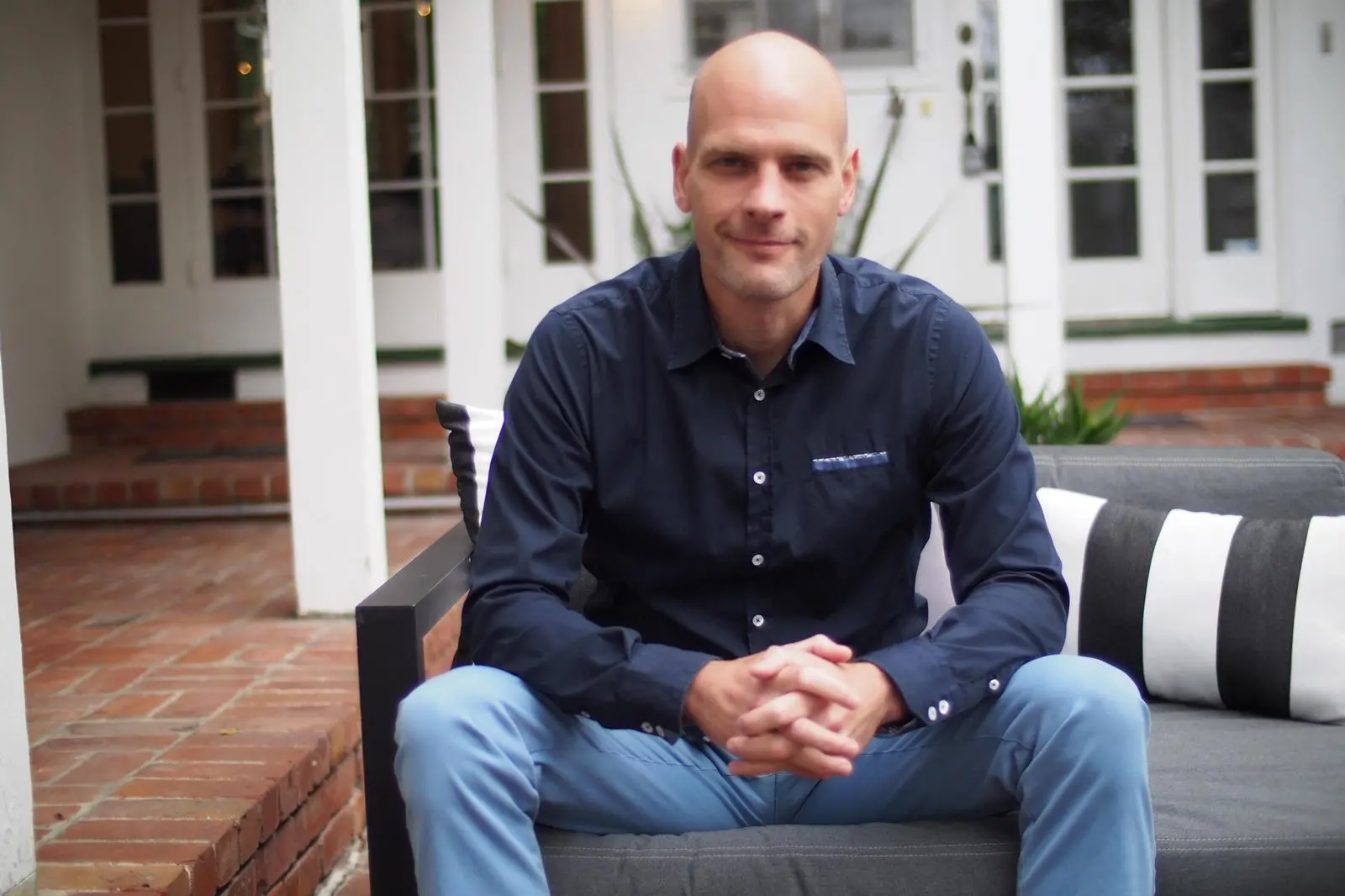
Founded in 2008, the alliance represents more than 150 seafood enterprises like Bumble Bee and Nestle Purina, NGOs, and environment and human rights experts across 30 countries. In North America, over 20 of the top 25 retailers, including Costco, Kroger, Target and Aldi have sustainable seafood partnerships with non-profits within the alliance.
The alliance notes that as the world’s most widely traded food commodity, seafood involves complex supply chains – often passing through multiple intermediaries and countries before reaching the consumer – and as such, it’s especially vulnerable to exploitation since the majority of operations take place in remote, high-seas areas, far removed from regulatory oversight, or in countries like India and China where auditing firms have limited ability to effectively monitor supply chains.
It also highlighted that with forced labour generating an estimated US$ 236 billion in illegal profits annually – a sharp increase from $64 billion in 2014 – the European Union recently moved closer to joining the US in banning products made with forced labour.
The alliance’s Guidance offers a toolkit and checklists for businesses that include a due diligence model companies can use to identify, assess and mitigate human rights and environmental risks in their operations and supply chains based on globally accepted frameworks. Additionally, it provides nearly 100 actionable resources for companies to inform their work and measure progress, including sustainable seafood commitments made by dozens of companies like Aldi and Pepsico, along with 45 real-world examples demonstrating how businesses of various sizes and types across seafood supply chains, including retailers, restaurants and fish co-ops, have successfully implemented steps to protect the ocean, people and communities.
Bigelow said the Guidance is critical to reaching the alliance’s 2030 goal whereby at least 75% of global seafood production should be environmentally responsible or make verifiable improvements, with safeguards in place to ensure social responsibility.
As of 2023, approximately 46% of the industry is progressing steadily. To achieve these goals, he stressed the importance of more companies beginning their efforts and those already committed embracing broader, more transparent processes.
The development of the guidance involved collaboration with a Working Group comprising leading industry experts, practitioners, and academics from organisations such as Fishwise, Seafood Watch and New England Seafoods.
Formed in 2008, the Conservation Alliance for Seafood Solutions connects a global community of NGOs, seafood businesses, academics and other experts representing over 150 organisations across 30 countries. In North America, over 80% of the top 25 retailers have sustainable seafood partnerships with non-profits within the alliance.