


SeaChoice urges open-net pen action
Transitioning to land-based systems could help protect Canada’s wild salmon population, says watchdog SeaChoice as it releases a damning report on retailers’ commitment to sustainability.
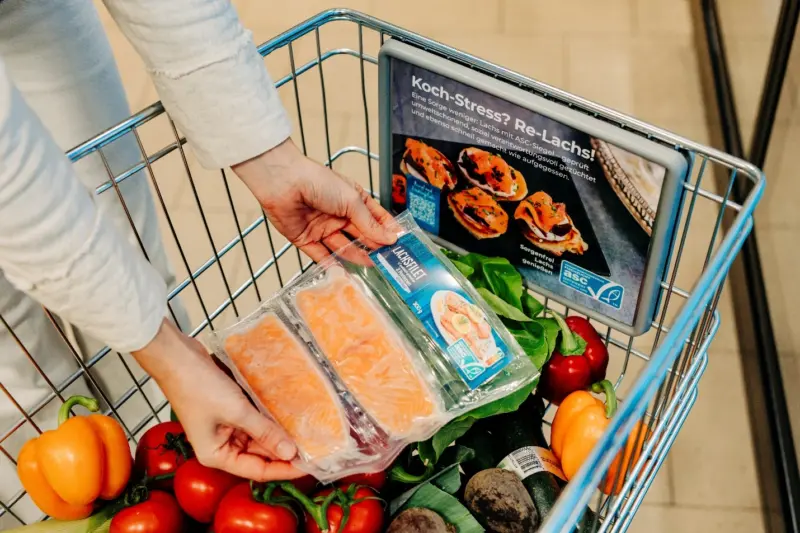
According to the 2023 Seafood Progress report, all but two retailers across Canada are selling open-net pen farmed salmon in their stores, which SeaChoice argues is not raised using truly sustainable methods.
“Grocers and shoppers are being hoodwinked by open-net pen salmon certifications claiming ‘best practice’ or ‘responsibly farmed’,” said Christina Callegari, SeaChoice representative from the Ecology Action Centre.
The report criticises certifications from the Aquaculture Stewardship Council and Best Aquaculture Practices, saying they are ‘not fit for purpose’. “These certifications allow practices to continue that are largely industry norms, threatening wild salmon populations,” said Callegari.
Retailers are also failing to accurately label their products, meaning consumers are unable to make informed choices. While all retailers label ‘wild’ on some seafood, nearly all avoid the label ‘farmed’, says the report. Nor do half of retailers include all the seafood they sell under their sustainability commitments, meaning much is being ignored.
SeaChoice is urging the government to act now to protect wild salmon populations as federal Fisheries Minister, Joyce Murray, is expected to announce the details of the British Columbia open-net transition plan.
“We need the government to step up, protect wild salmon and confirm a plan that removes the net pens,” SeaChoice representative from Living Oceans Society Kelly Roebuck said.
“Transitioning to land-based aquaculture would expand the supply of closed-containment salmon for grocers, removing their reliance on faulty net pen certifications.”