

Research exposes multiple flouting of MPA rules
New research has identified 55 global ‘paper parks’, or MPAs that fall short of safeguarding marine biodiversity, especially where fishing is concerned.
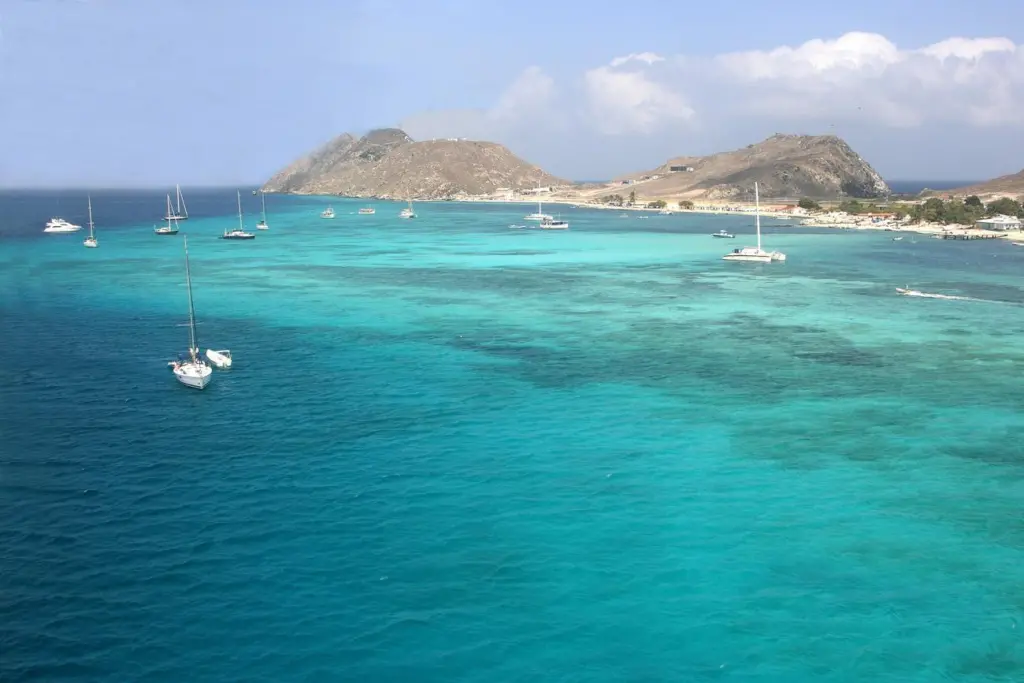
The Paper Park Index (PPI), developed by researchers at the University of British Columbia’s Sea Around Us initiative, shows that most of these paper parks are located in Latin America and the Caribbean.
“Due to the growing number of MPAs and the expansion of unrealistic and idealistic conservation targets, we believe that more transparent information on the actual protection that they provide to marine ecosystems is necessary,” said Veronica Relano, lead author of the article that presents the new index.
Falling short
Countries such as Venezuela topped the list with more than one national park allowing unregulated fisheries in restricted zones. Southeast Asia, Oceania and the Indian Ocean are also regions where marine protected areas fail to fulfill their objectives.
To develop the index, Ms Relano and co-author Daniel Pauly, principal investigator of the Sea Around Us at UBC’s Institute for the Oceans and Fisheries, polled over 3000 people considered stakeholders within their sample, which included at least one marine protected area for each coastal country in the world.
Fishers, NGO staffers, civil servants, academics and journalists were emailed a single-question survey asking them to rate the level of fishing they thought occurred in a specific MPA in their country’s waters.
The average answer for each MPA, ranging from one, or ‘no fishing, to four, or ‘very intense fishing,’ was then matched with the International Union for Conservation of Nature’s (IUCN) categories for MPAs.
“In other words, the Paper Park Index is the difference between the average fishing intensity indicated in the responses to our questionnaire and the IUCN category level. We also compared our results to the level of protection listed in the Marine Protection Atlas,” Mr Pauly said.
“For example, if most respondents indicated ‘moderate’ or ‘very intense fishing’ for an MPA officially designated as ‘no-take,’ we might be dealing with a potential ‘paper park’ or a misfunctioning MPA that is at risk of being a ‘paper park,’ depending on the PPI scale.”
The authors noted that there are no other MPA databases that consider local stakeholders’ knowledge in their assessment of protection levels. “This needs to change. Our research shows how considering local perceptions could help to differentiate de facto MPAs from paper parks,” Ms Relano said.
Previous research by Mr Pauly has shown that fishing is, by far, the most important anthropogenic impact on marine biodiversity. This is why the index was developed focusing solely on this activity and doesn’t consider climate change, pollution and other threats to marine life.
“This study serves as a useful entry point for further investigation into how much and in which way our oceans are protected,” Mr Pauly said.
“Future research should match our results with quantitative fisheries data to either support the findings or aid the identification of blind spots in official fishery statistics.”