



Norwegian cod, haddock win back sustainable certification
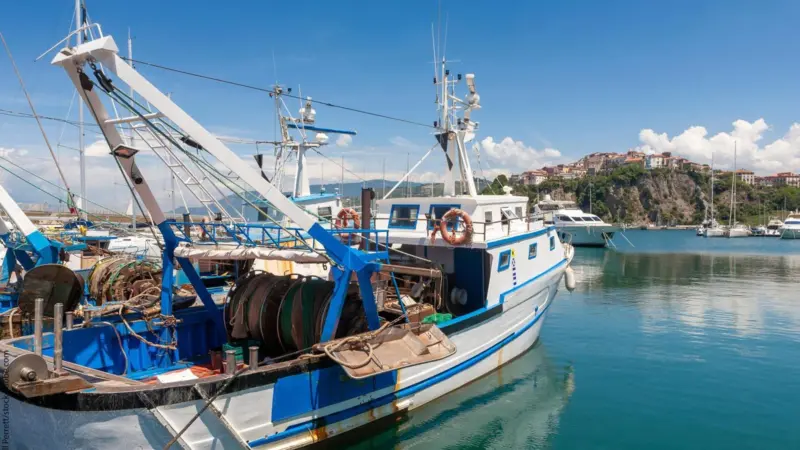
Two years after losing their Marine Stewardship Council (MSC) certification, Norwegian fisheries for inshore cod and haddock have been re-certified to the sustainable fishing standard.
The fisheries were independently-certified by a third-party auditor which assessed the fishery against MSC’s criteria related to stock health, protection of the environment, and ensuring effective management is in place.
Since 2010, MSC certifications included the inshore and offshore stocks of Northeast Arctic cod and haddock, but in April 2022 the fishery, Norges Fiskarlag, decided to apply for reassessment to the MSC Fisheries Standard for its offshore fishing only. The offshore cod and haddock catch was MSC-certified while the inshore element was no longer part of the certificate.
When cod and haddock migrate to shore, they mix with local coastal cod, which were not certified but were classified as IPI, (Inseparable, Practically inseparable). The MSC Fisheries Standard requires an IPI over time either to be separated out of catches or landings or also certified against the MSC Fisheries Standard. As a result, over the last year, the Norwegian Fisherman association, Fiskarlaget, representing Norwegian fisheries, has worked with the fisheries to regain recertification for these economically important inshore cod and haddock stocks.
“We are pleased to see the inshore fisheries for cod and haddock finally come back into the fold as MSC certified. In order to keep these certificates, more work remains in the years ahead in further improving the management of coastal cod, hopefully in tandem with improvements to the MSC standard itself,” Fiskarlaget’s Tor Björklund Larsen said.
In 2008, saithe became the first Norwegian fishery to be MSC certified, making 2023 the 15th year of Norwegian engagement in the programme.
“The voyage of getting the inshore cod and haddock back as certified against the MSC standard for sustainable fishing has required successful cooperation and engagement of the fishery client with both the Norwegian government and research institute,” MSC Programme Director – North Atlantic Gisli Gislason said.
“Commercial partners buying from this fishery have been very keen to once again see this fishery certified, and I am sure that market demand has partly incentivised the client to let that happen. We are grateful for this effort, and we congratulate Fiskarlaget and the Norwegian industry for this tremendous achievement. We look forward to continuous cooperation with all players involved.”
Morten Hyldborg Jensen, CEO of Nordic Group and CCO Insula Whitefish, said it’s “exciting times” for the Norwegian whitefish industry.
“We’re thrilled over the re-certification of our inshore cod and haddock by the Marine Stewardship Council,” he said. “This endorsement guarantees seamless access to key markets, including Sweden, UK, Portugal, Spain, Germany and France. Our commitment to sustainability is recognised through the MSC logo.”
With Portugal being the biggest export market for Norwegian cod, MSC’s Senior Development Manager for Portugal Rodrigo Sengo said the organisation was pleased to see this important component of the Norway fishery in the programme.
“Portugal has an historic and cultural relationship with cod, consuming around 70,000 tonnes of cod each year, with 70% of cod being imported from Norway. With more than 170 MSC-labelled cod products in Portugal, consumer awareness along with demand on sustainable cod is increasing. With this major progress, the Portuguese market, supply chain and brands will be able to better support and recognise sustainable cod fisheries.”