




India to soon start certifying fisheries
In what will be seen as a major boost for India’s seafood exports, the country is expected to enter the Marine Stewardship Council (MSC) fisheries certification process by the end of 2025.
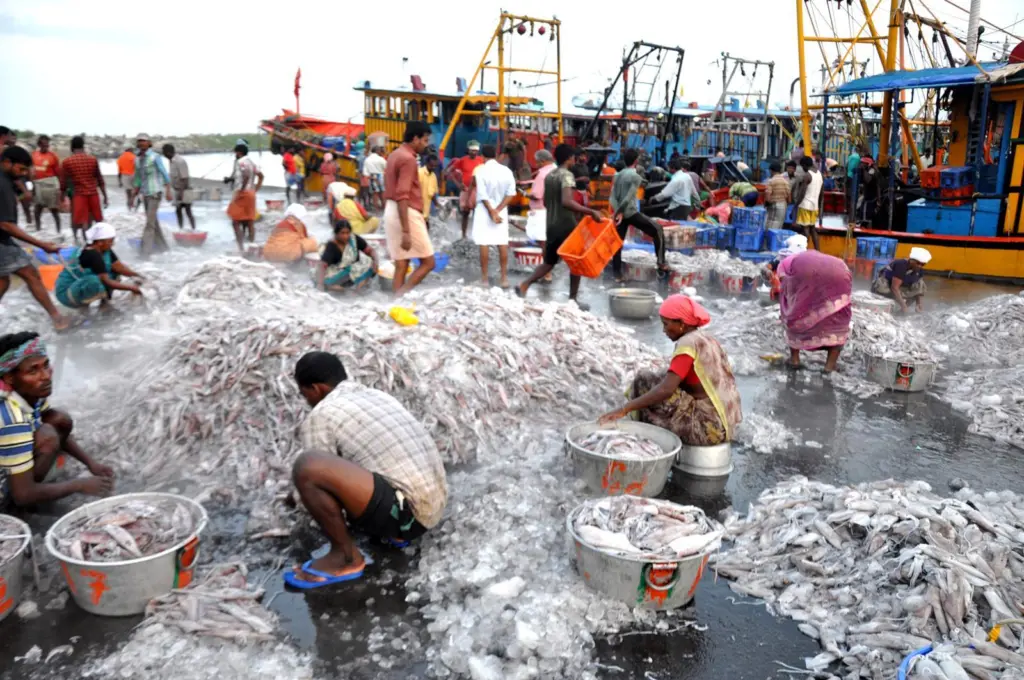
A recent stakeholder workshop held in Kochi highlighted that India is making good progress towards establishing sustainable fisheries, with most of the prioritised species nearing the completion of fishery improvement projects (FIPs). This is important ahead of MSC assessments, with evaluations to include sustainable stock levels, minimising environmental impacts and having effective fishery management systems.
In India, a dozen prioritised fisheries have already conducted pre-assessments against MSC Standards, enabling stakeholders to develop clear action plans for improvement.
The capacity building workshop was hosted by the Sustainable Seafood Network India (SSNI) in association with various stakeholders to equip the stakeholders about the principles of MSC certification and to discuss progress towards sustainable fisheries management in India. It was attended by marine scientists, government officials, environmentalists, certification experts and exporters.
The demand for certified seafood has witnessed a significant surge in the global markets, the workshop observed, with Amanda Lejbowicz, MSC’s Head of Fisheries Standard Accessibility, stating: “Over 15% of the total marine catch across the globe are [from] certified [fisheries]. Certified seafood products in different forms such as canned, chilled, frozen and baby foods are on [the] rise with canned products registering [a] 9% increase in demand last year.”
On the growing status of fisheries certification, Lejbowicz said more countries are joining the initiative with currently 63 countries being actively engaged in MSC certification.
“With the growing global emphasis on sustainability, eco-labelling has become a critical factor in market access, competitiveness, and export growth. International buyers, especially in Europe, the US and Japan, are increasingly demanding certified sustainable seafood,” she said.
Also at the workshop, SSNI Chairman Dr Sunil Mohamed emphasised the critical need for integrating sustainability certification and auditing into university fisheries curricula, saying that this would ensure a sufficient supply of auditing professionals in the field.
The workshop also stressed the importance of collaboration among all stakeholders in the seafood value chain – fishermen, processors, exporters, government agencies and regulatory bodies – for the practical implementation of sustainability action plans.
Related Articles
 FISHERIES
 FISHERIES
 AQUACULTURE