


Fisheries and aquaculture innovators receive MedFish4Ever awards
New work in the Mediterranean in the fields of fishing technology and aquaculture research and in the fight against illegal, unreported and unregulated (IUU) fishing were recognised at an awards ceremony, held alongside the GFCM High-level Conference on MedFish4Ever initiatives: Transformative actions to address new challenges, held in Malta on 3-4 October 2023.
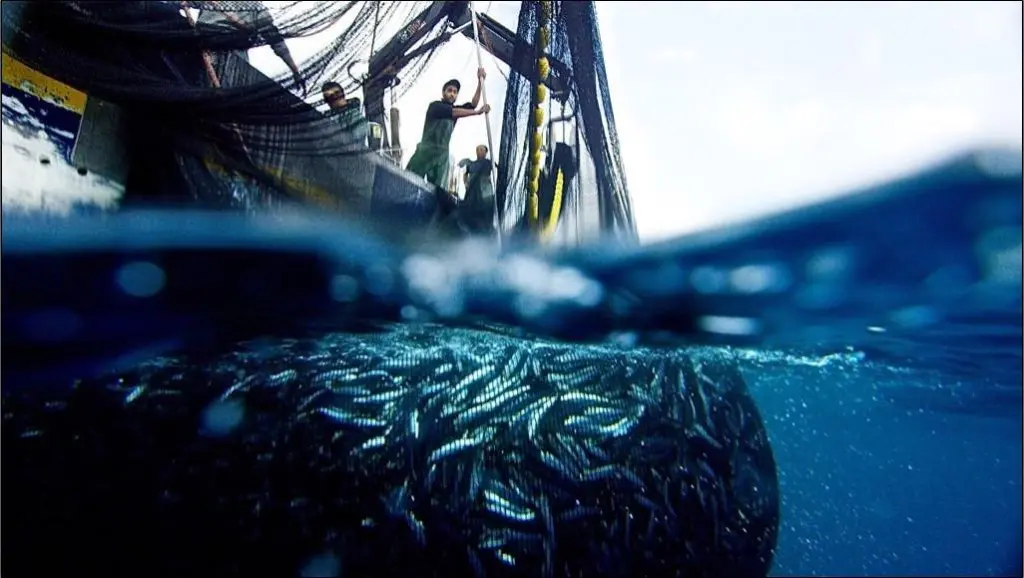
Winning the awards were initiatives from Croatia, Cyprus, Morocco, Spain, Tunisia and the NGO Global Fishing Watch. They will all go on to present their projects at two key scientific events: the International Symposium on Fisheries and Aquatic Sciences (SOFAS 2023) and the GFCM Forum on Fisheries Science in the Mediterranean and the Black Sea (Fish Forum 2024).
“It was a real pleasure to be able to give these innovative ideas the public recognition they deserve,” GFCM Executive Secretary Miguel Bernal said. “Fishers, fish farmers, scientists and companies are key elements to provide the solutions we need for the sector, and the spirit of collaborative innovation that is being celebrated here is what we need to secure a sustainable future for all.”
The first category called for new solutions to address existing and emerging challenges and promote the sustainability of fisheries in the Mediterranean. Winners included a reinforced seine as a mitigation measure against depredation by bottlenose dolphin from the National Institute for Fisheries Research (INRH), Ministry of Agriculture, Fisheries, Rural Development, Water and Forests (Morocco), and an assessment of the carbon footprint of the fishing fleet and application of decarbonisation measures by the University of Zagreb, Faculty of Mechanical Engineering and Naval Architecture (Croatia).
Winners in the innovative practices in aquaculture research category comprises a larvae counting system developed by AquaDeep (Tunisia), and a salt water aquaponic system from the Institute of Agrifood Research and Technology (IRTA) in Spain.
The innovative practices in the fight against IUU fishing category saw prizes go to Cyprus’ Ministry of Agriculture, Rural Development and the Environment for its use of remote electronic monitoring, including closed-circuit television technology, as a control and monitoring tool, and to Global Fishing Watch for shedding light on the Mediterranean fishing footprint through remote sensing data.
GFCM is a regional fisheries management organisation operating under the framework of FAO, whose competence extends over all marine waters of the Mediterranean and the Black Sea. Its members include 23 contracting parties (Albania, Algeria, Bulgaria, Croatia, Cyprus, Egypt, European Union, France, Greece, Israel, Italy, Lebanon, Libya, Malta, Monaco, Montenegro, Morocco, Romania, Slovenia, Spain, Syria, Tunisia and Turkey) and six cooperating non-contracting parties (Bosnia and Herzegovina, Georgia, Jordan, Moldova, Saudi Arabia and Ukraine).
Related Articles
 FISHERIES
 FISHERIES
 AQUACULTURE