




EEA proposes sustainable fishing measures
The European Environment Agency has published a range of measures to help safeguard the competitiveness and sustainability of the fishing industry.

In its ‘Healthy seas, thriving fisheries: transitioning to an environmentally sustainable sector’ briefing, the agency details a range of proven options that can help mitigate these pressures and ensure a thriving long-term fishing industry.
Overfishing, bycatch and habitat degradation are contributing to a loss of marine biodiversity, along with eutrophication, pollution and climate change, says the EEA.
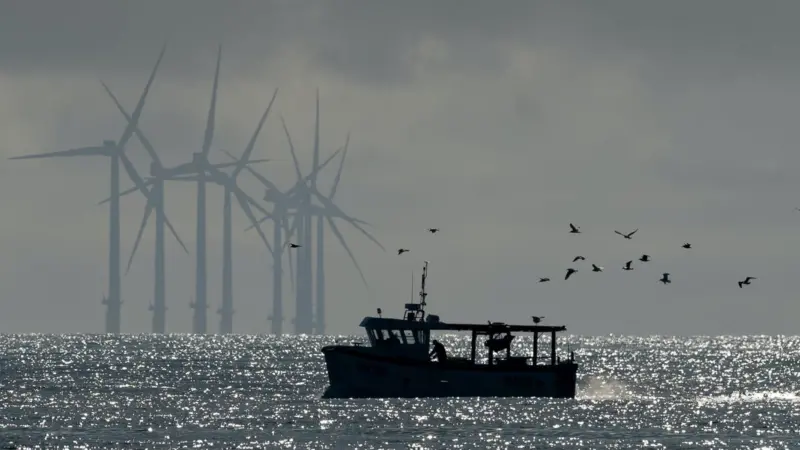
Around 40% of fish and shellfish in Europe’s seas are not in good status nor fished sustainably, and balancing the demand between fishing and other blue economy activities such as offshore wind farms will be increasingly important.
Fisheries also can negatively impact marine ecosystems, including through bycatch, discards, habitat degradation, ghost gear and pollution. Despite success in some European waters, harmful practices and unsustainable fishing persist, says the briefing.
It goes on to list several ways that can help promote sustainability. Key measures include:
- Keeping harvesting at sustainable levels
- Phasing out harmful practices
- Promoting low-impact harvesting methods
- Expanding and better managing marine protected areas
The European Green Deal addressed the need to achieve sustainability in EU fisheries. An action plan to protect and restore marine ecosystems was published as part of a comprehensive Fisheries and Ocean package in 2023, which is linked to the Biodiversity Strategy for 2030.
Related Articles
 FISHERIES
 SEAFOOD
 FISHERIES